The test uses microRNA analysis and AI to diagnose endometriosis in women with chronic pelvic pain when imaging is inconclusive.
A saliva-based diagnostic test for endometriosis demonstrated more than 96% accuracy in a multicenter clinical study published in NEJM Evidence, potentially offering a non-invasive alternative for women with suspected endometriosis when imaging results are normal or inconclusive.
The Ziwig Endotest analyzes 109 salivary microRNAs using next-generation sequencing combined with artificial intelligence to detect endometriosis, a condition affecting approximately 10% of women of reproductive age. The prospective study enrolled 971 symptomatic women aged 18 to 43 years across 17 public and private hospitals in France.
Diagnostic interpretations were performed blindly, without prior knowledge of patients’ clinical status. The test maintained consistent performance across all subgroups, regardless of hormonal treatment, analgesic use, inclusion site, or sequencing conditions.
The NEJM Evidence publication shows the test had:
- Sensitivity: 97.3%
- Specificity: 94.1%
- Overall accuracy: 96.6%
- Positive predictive value: 98.2%
- Negative predictive value: 91.3%
Test Now Available Under French Reimbursement Program
Under France’s national early access program for breakthrough technologies (Forfait Innovation), the Ziwig Endotest is now reimbursed and available on medical prescription in 100 hospitals across France. The test is indicated for women aged 18 to 43 years with chronic pelvic pain suggestive of endometriosis when imaging results are normal or inconclusive.
Healthcare providers can prescribe the test outside research studies, providing patients with access to diagnosis without the need for more invasive procedures.
Addressing Diagnostic Delays
Endometriosis diagnostic delays often exceed seven years, creating challenges for patient management and treatment planning. The saliva-based approach offers laboratories and clinicians a molecular diagnostic option that could potentially reduce time to diagnosis.
“This publication in NEJM Evidence is a major step forward for science and for women affected by endometriosis. We are deeply grateful to all the women, hospitals, and healthcare professionals whose commitment and support have been essential in bringing this innovation to patients,” says Yahya El Mir, founder and president of Ziwig, in a release.
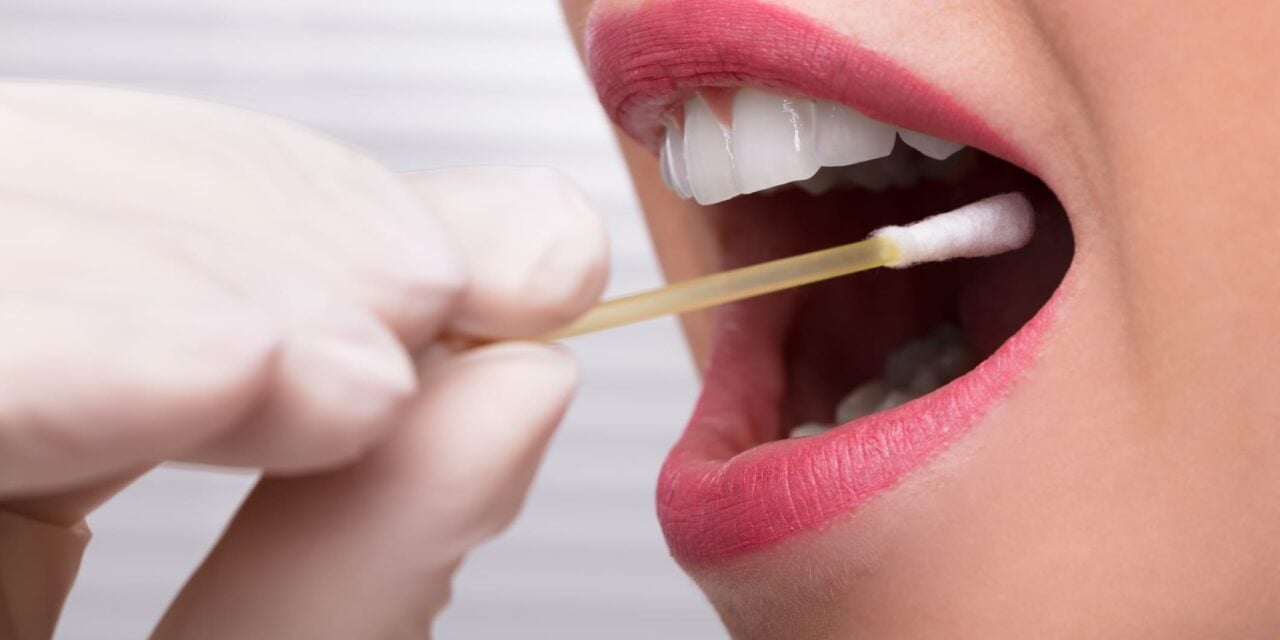
ID 147826821 © Andrey Popov | Dreamstime.com