Study results evaluate the safety, performance, and patient acceptance of automated blood collection technology.
Vitestro announced the publication of a multicenter clinical trial evaluating its autonomous robotic phlebotomy system, Aletta, in the journal Clinical Chemistry. The study is the first peer-reviewed multicenter evaluation of a fully autonomous system using multimodal imaging to perform diagnostic venous blood draws in routine clinical practice, according to a press release.
The research is part of the premarket Autonomous Blood Drawing Optimization and Performance Testing clinical trial. The study was conducted at several healthcare institutions in the Netherlands, including Amsterdam University Medical Center, St. Antonius Hospital, OLVG Lab, and Result Laboratory, with additional patient acceptance data collected at the Mayo Clinic in Rochester, MN.
Performance and Safety Results
The study reported results from 1,633 patients enrolled across three outpatient phlebotomy departments. When a suitable vein was identified, the device achieved an overall first-stick success rate of 94.5%.
Performance metrics remained consistent across specific patient populations, including:
A 97.4% first-stick success rate in patients with a high body mass index (BMI) (>30 kg/m2).
A 92.7% success rate in patients with self-reported difficult venous access.
A 93.4% success rate in elderly patients (age >65 years).
Safety data showed a hemolysis rate of 0.3%, which the company notes is below rates typically reported for manual phlebotomy. The adverse event rate was 0.6%, with all events categorized as mild.
“This multicenter study represents a significant milestone in the clinical validation of autonomous robotic phlebotomy in routine practice,” says Robert de Jonge, PhD, professor and head of the department of laboratory medicine at Amsterdam University Medical Center, in a release. “The demonstration of strong performance and safety outcomes is critical to building clinical and laboratory confidence in this new approach. As laboratories advance automation across the diagnostic workflow, innovations like Aletta in the preanalytical phase will be instrumental in enabling more standardized, scalable, and integrated care delivery.”
Patient Acceptance and Laboratory Impact
Patient experience data indicated that 90% of participants reported feeling less, far less, or similar pain compared to manual phlebotomy. Additionally, 82% of patients indicated they would prefer or had no preference regarding the use of the robotic system for future blood draws. In the US-based portion of the study, 86% of patients reported they were willing or very willing to use the system.
“From a laboratory perspective, consistency in the preanalytical phase is critical, yet often difficult to achieve in daily practice,” says Thijs van Holten, PhD, clinical chemist at St. Antonius Hospital, in a release. “Aletta introduces a standardized approach to diagnostic blood collection, with the potential to reduce variability, improve sample quality, and support more reliable diagnostic outcomes.”
Martine Deckers, PhD, clinical chemist at OLVG Lab, adds that patient experience is equally important for the adoption of new laboratory technologies.
“In this study, most patients reported less or similar pain compared with a manual draw, and almost all patients indicated they would prefer or be open to using the system again, supporting its potential for broader adoption in routine clinical practice,” says Deckers, in a release.
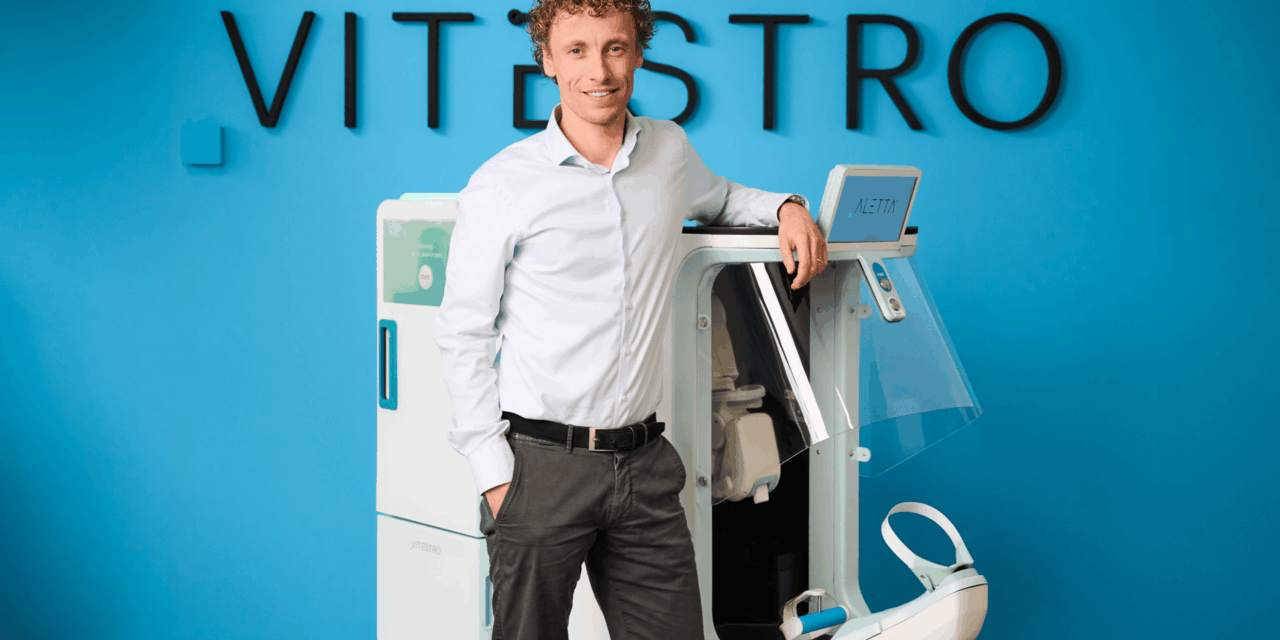
Photo caption: Aletta autonomous robotic phlebotomy system
Photo credit: Vitestro
Related Reading:
Standardizing Urine Collection Reduced Workflow Disruptions at Middlesex Health
BD Launches Three-Tube Urine Collection Cup Kit to Reduce Contamination Risk
Mitigating Biotin Interference in the Clinical Laboratory