The molecular assay identifies the two most common causes of vaginitis from a swab and can be run alongside other sexual health tests on the cobas platform.
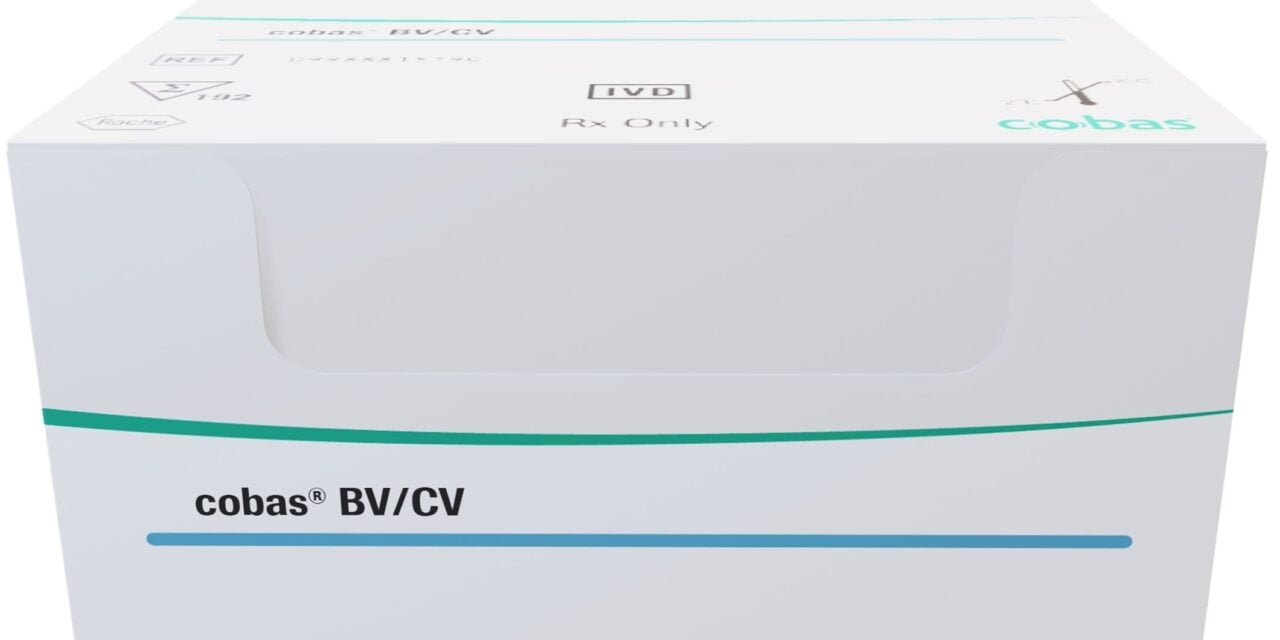
Roche has received Food and Drug Administration (FDA) 510(k) clearance for its cobas BV/CV assay, a molecular diagnostic test that identifies bacterial vaginosis and Candida vaginitis from a single vaginal swab, according to a company release.
Vaginitis is among the most common reasons women seek healthcare, with bacterial vaginosis and Candida vaginitis representing the two most frequent causes of infection. Clinicians have traditionally used microscopy, pH testing, and clinical observation for diagnosis, but these methods can lack precision. Misdiagnosis of these conditions is close to 50%, which increases the risk of recurrence, according to Roche.
“Compared to traditional methods, the cobas BV/CV test can help improve diagnostic accuracy for women affected by vaginitis, addressing a critical need in women’s health,” says Brad Moore, president and CEO of Roche Diagnostics North America, in a release. “By expanding our sexual-health portfolio to include comprehensive results for the most common conditions from a single sample, we can streamline care to help patients receive the right treatment faster.”
The in vitro diagnostic test uses real-time polymerase chain reaction technology to identify the bacteria and yeast responsible for infections in symptomatic patients. The assay detects DNA targets for organisms associated with bacterial vaginosis, including Gardnerella vaginalis, Atopobium vaginae, and Lactobacillus species. It also identifies Candida species associated with Candida vaginitis, including C albicans, C glabrata, C krusei, C parapsilosis, C tropicalis, and C dubliniensis.
Bacterial vaginosis affects approximately 27% of women of reproductive age in North America, while up to 75% of women experience Candida vaginitis at least once in their lifetime, the release says. These infections can cause symptoms such as itching, burning, discharge, and irritation, and are associated with an increased risk of sexually transmitted infections.
The assay utilizes clinician-collected or clinician-instructed, self-collected vaginal swabs. This allows for diagnosis from a single sample that can also be used for other sexual health tests on the cobas 6800/8800 systems, including Chlamydia trachomatis, Neisseria gonorrhoeae, Trichomonas vaginalis, and Mycoplasma genitalium.
The test follows guidelines from the Centers for Disease Control and Prevention, which do not recommend speciation before first-line therapy. Roche plans to extend the assay to the cobas 5800 system under the FDA Reagent Replacement and Instrument Family Policy, with a commercial launch expected later this year.
Photo caption: cobas BV/CV assay
Photo credit: Roche