The single-biomarker pTau217 assay is designed for use on existing laboratory instrumentation to support rule-in and rule-out assessments.
The Food and Drug Administration (FDA) has cleared the Roche Elecsys Phospho-Tau (217P) Plasma (pTau217) blood test. The assay is intended to help clinicians identify amyloid pathology associated with Alzheimer disease in individuals 55 years and older who show signs, symptoms, or complaints of cognitive decline.
Developed in collaboration with Eli Lilly and Company, the pTau217 test is the first single-biomarker blood test cleared to support both rule-in and rule-out assessments of amyloid pathology using the same validated clinical cutoffs across primary and specialty care settings, according to a press release from Roche.
“FDA clearance of Elecsys pTau217 marks an important milestone in Alzheimer’s disease diagnosis and underscores Roche’s continued leadership in advancing innovative solutions that can help patients get answers sooner,” says Dan Malarek, CEO of Roche Diagnostics North America, in a release. “As the first and only FDA-cleared, single-biomarker blood test supporting both rule-in and rule-out assessment of amyloid pathology, Elecsys pTau217 has the potential to transform how Alzheimer’s is assessed across primary and specialty care.”
Integration into Laboratory Workflows
The assay provides positive, intermediate, and negative result categories to help healthcare providers assess the likelihood of amyloid pathology. Results are meant to be interpreted alongside clinical information and other relevant diagnostic findings.
The test is designed for use on the more than 4,500 Roche cobas laboratory instruments currently installed in the US. This allows for broad access through existing laboratory infrastructure without requiring additional instrumentation. Roche describes this as a single-assay solution that simplifies implementation by using one biomarker and one set of validated clinical cutoffs to expand access to blood-based testing.
Addressing the Diagnosis Gap
Roche reports that approximately 75% of people living with dementia remain undiagnosed. Traditional methods for assessing amyloid pathology, such as PET imaging and cerebrospinal fluid testing, can be expensive, invasive, and difficult to access outside of specialty centers.
“For millions of families navigating the uncertainty of Alzheimer’s disease, a timely diagnosis is the first and most critical step toward meaningful care,” says Carole Ho, executive vice president and president of Lilly Neuroscience, in a release. “Lilly’s collaboration with Roche on Elecsys pTau217 was driven by a shared commitment to bringing one blood test into both primary care, where most patients with cognitive complaints are first seen, and specialty care, helping close the gap between symptoms and answers.”
The pTau217 blood test offers a minimally invasive option that can be incorporated into existing clinical and laboratory workflows. It is intended to help clinicians identify patients who should be considered for further evaluation or specialist referral.
“Advances in blood-based biomarkers have the potential to transform the diagnostic pathway by expanding access to evaluation for Alzheimer’s across a variety of care settings,” says Jared R Brosch, MD, neurologist at Indiana University Health, in a release. “As these tools become available, clinicians may be able to evaluate more patients earlier in the disease course, improving diagnostic confidence and helping patients and their families make more informed decisions at a critical time.”
The safety and effectiveness of the assay have not been established for predicting the development of dementia or other neurologic conditions, or for monitoring the effects of therapeutic products, according to Roche.
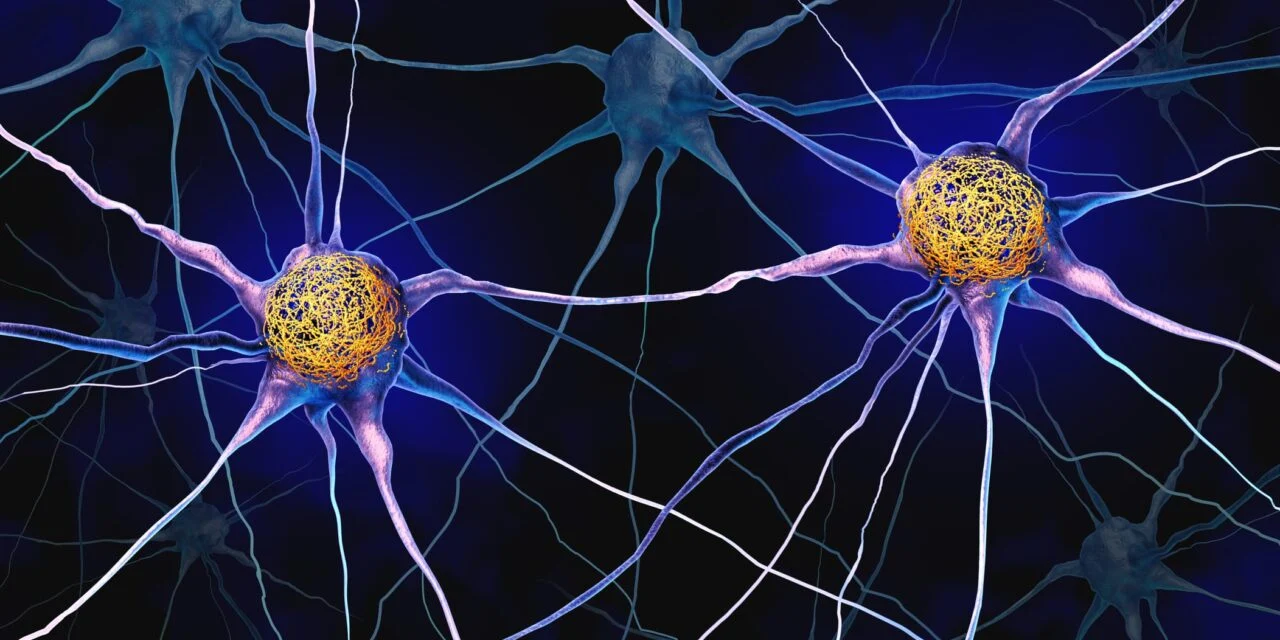
ID 405209537 | Amyloid © Skypixel | Dreamstime.com