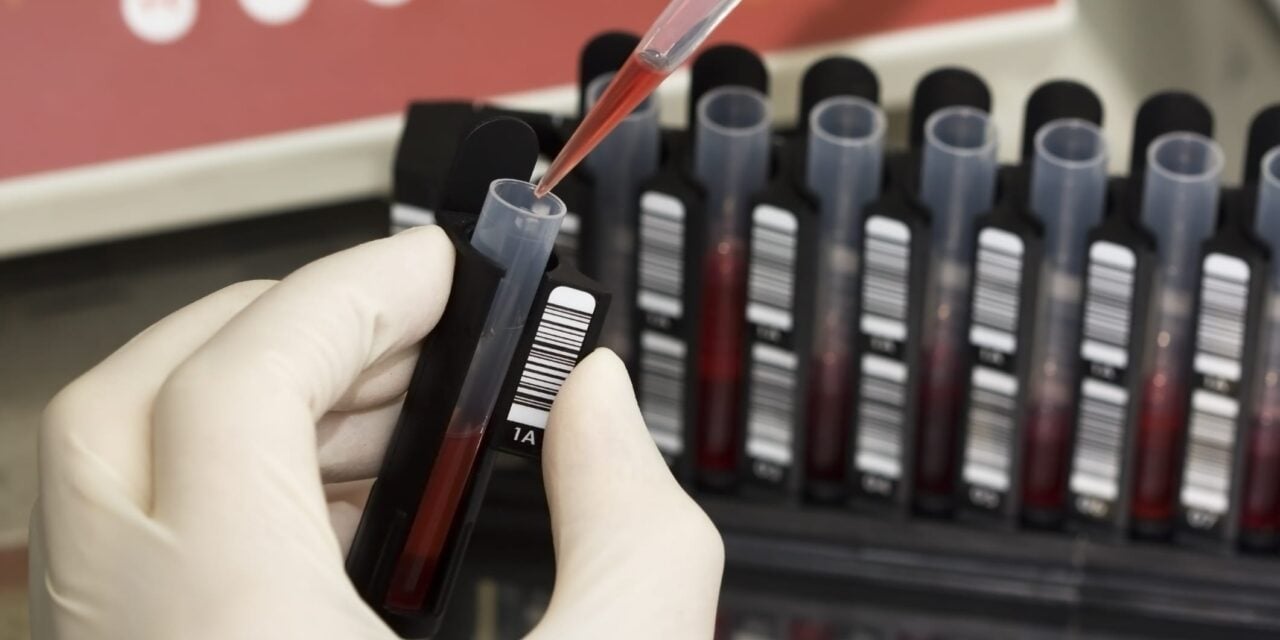
The health economic study suggests that integrating a whole blood RNA test into screening pathways for women with dense breasts could lower healthcare costs.
A health economic analysis published in the journal Clinical Breast Cancer reports that an investigational whole blood ribonucleic acid (RNA) test may complement existing breast imaging to improve health and cost outcomes.
The study investigated the impacts of blood test enabled detection of small invasive cancers and increased participation in biennial screening to model cost impacts within the healthcare system. Researchers used lifetime health economic modeling to compare breast cancer screening strategies in women with dense breasts, a population that represents approximately half of all women.
According to the study, women with dense breasts often have lower detection rates of small tumors when using mammography alone. The Onco-ID Breast test measures immune system changes mediated by cancer cells to provide information that can inform follow-up diagnostic breast imaging.
“One of the greatest challenges in breast cancer detection is finding cancer when it is most treatable,” says Rob Lozuk, CEO of Syantra, in a release. “For millions of women, that remains a significant unmet need, and we are tackling it head on. With our early clinical performance data, we expect to take advantage of the benefits outlined in the health economics study, focused on strong performance for stage 1 detection.”
The testing platform utilizes multiplex quantitative polymerase chain reaction and machine learning software. The analysis targeted a test cost of $512 US dollars, which the study notes is significantly lower than other early detection blood tests that can cost more than $3,000 US dollars.
Using a lifetime Markov health economic model, the analysis compared three biennial screening strategies starting at age 40: mammography alone, blood screening alone, and a combined blood screening plus mammography approach. The results suggest that, for women with dense breasts, a blood screening strategy generated better lifetime health outcomes at a lower healthcare cost than mammography alone under the modeled assumptions.
“Our objective with this study was to evaluate how a blood-based test might be effectively integrated into breast screening pathways,” says Eldon Spackman, PhD, associate professor at the University of Calgary and co-senior author of the study, in a release. “The results show some exciting possibilities for use of the test to complement mammography or as an option for those not currently screening regularly.”
The study authors emphasize that the analysis is exploratory and intended to inform future clinical and health economic research.
“The study provides an early framework for evaluating how blood-based screening technologies could contribute to future breast cancer screening pathways, particularly for women with dense breasts,” says Edith A Perez, MD, professor emeritus at Mayo Clinic, in a release.
Syantra plans to move to real-world testing through upcoming early access programs. These programs will perform blood testing in conjunction with imaging in women with elevated risk and for those who do not undergo regular screening.
ID 23031732 © Kireevdmitry | Dreamstime.com