
Supported by a National Institute on Aging grant, the research explores whether tear proteins can match plasma markers to aid screening in low-resource settings.
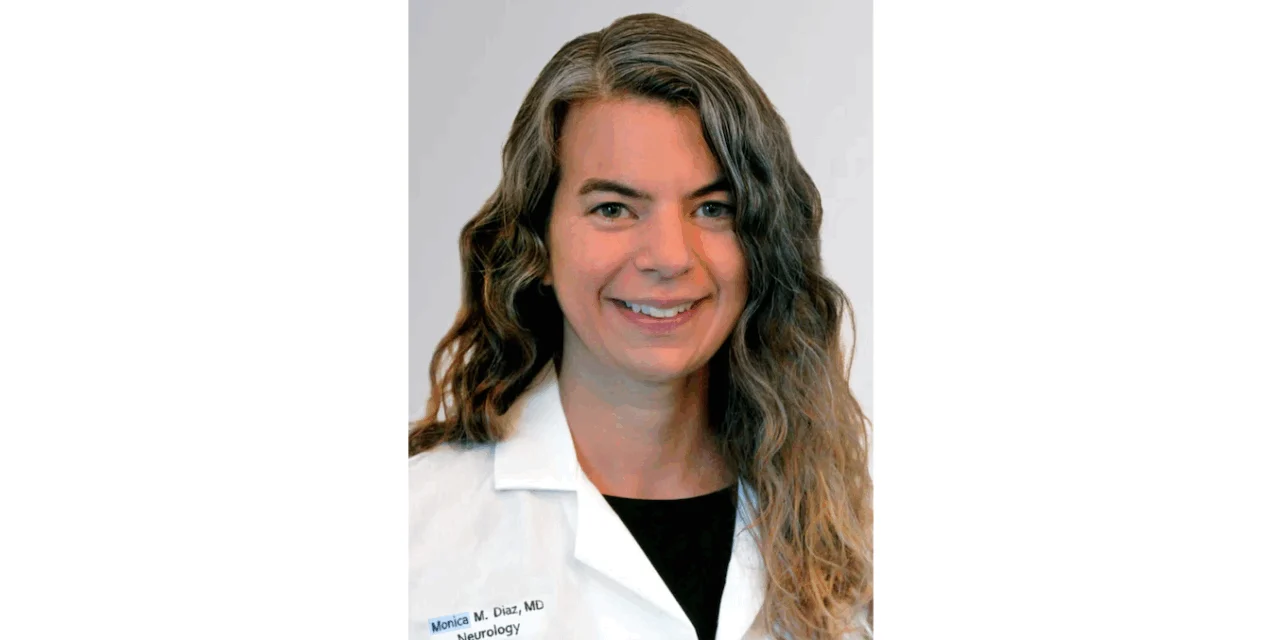
Monica Maria Diaz, MD, MS, an associate professor of neurology at the UNC School of Medicine, has received a $181,471 grant from the National Institute on Aging to develop a noninvasive method for detecting early Alzheimer’s disease by analyzing biomarkers in tears.
The research project will evaluate whether tear protein biomarkers collected from older individuals with dementia in Peru can accurately differentiate between individuals with Alzheimer’s disease, those with mild cognitive impairment, and healthy controls. Additionally, the study aims to establish whether biomarker concentrations in tears are comparable to levels detected in blood plasma, potentially offering a primary care screening pathway that bypasses the need for blood draws or lumbar punctures for cerebrospinal fluid.
Addressing Diagnostic Barriers in Underserved Regions
Alzheimer’s disease and related dementias represent a growing global public health challenge, currently affecting more than 55 million people worldwide—a total projected to triple by 2050. An estimated 65% of individuals living with dementia reside in low- to middle-income countries, including Latin America and the Caribbean. In Peru, a nation of 34 million people, access to diagnostic testing and dementia treatments remains constrained.
Despite high disease prevalence globally, there are currently no approved biomarker diagnostic techniques that require minimal laboratory processing suited for low- and middle-income countries. Noninvasive testing methods could facilitate earlier identification and intervention for individuals presenting with mild cognitive impairment before conditions advance to dementia.
“Families facing memory loss need answers, wherever they live,” says Diaz in a release. “Through this study in Peru, we’re exploring whether proteins in tears could help identify early signs of Alzheimer’s disease. Our hope is that this research will bring us closer to a simple, noninvasive screening approach that reaches more people, especially in communities where access to specialized diagnostic testing is limited.”
Photo caption: Monica Maria Diaz, MD, MS
Photo credit: UNC School of Medicine