
Led by Children’s Hospital Colorado, the study validates laboratory tests that could reduce reliance on invasive muscle and liver biopsies.
Laboratory testing of cells derived from a small skin biopsy can identify primary mitochondrial diseases without requiring invasive tissue biopsies, according to a multicenter study in EMBO Molecular Medicine.
The international study, led by researchers at Children’s Hospital Colorado and the University of Colorado Anschutz School of Medicine, evaluated the clinical performance and diagnostic utility of functional laboratory assays designed to assess mitochondrial activity in patient cells. Primary mitochondrial diseases encompass a group of genetic conditions that disrupt cellular energy production, affecting an estimated 1 in 5,000 individuals across multiple organ systems.
Addressing Diagnostic Gaps in Genetic Testing
Although genetic testing such as whole genome sequencing frequently serves as the frontline evaluation for suspected mitochondrial disorders, existing sequencing methods identify a definitive causative variant in only 50% to 65% of cases. Furthermore, many diagnostic results remain inconclusive due to the detection of variants of uncertain significance.
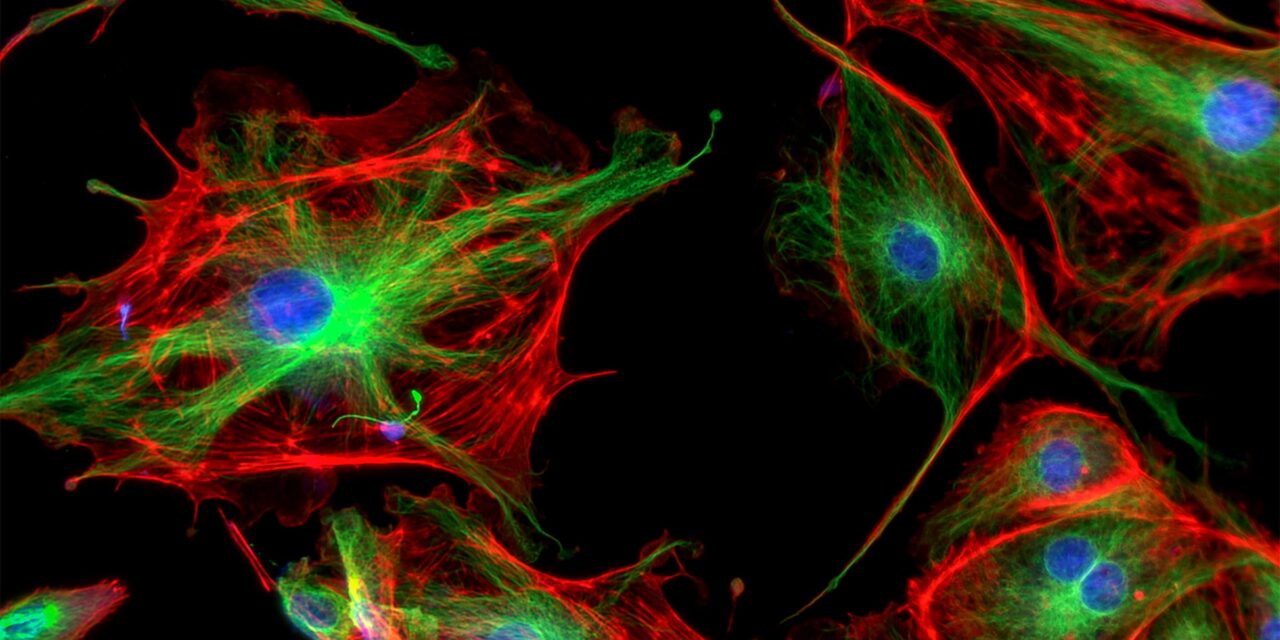
To address these limitations, investigators analyzed functional tests measuring how well mitochondria function inside cultured cells, assessing how effectively the assays differentiate affected individuals from unaffected controls.
“Diagnosing mitochondrial disease can be incredibly challenging for patients, families and clinicians,” says Johan Van Hove, MD, PhD, clinical biochemical genetics and metabolism specialist at Children’s Colorado and professor at the University of Colorado Anschutz School of Medicine, in a release. “While advances in genetic testing have transformed our ability to identify many of these conditions, a significant number of patients still do not receive clear answers. This study shows that functional testing can play a critical role in closing that gap.”
The research was co-led by Marisa W Friederich, PhD, scientific director at the Children’s Hospital Colorado Mitochondrial Laboratory, and included patient specimens collected across more than 30 medical centers located in North America, Europe, Australia, and New Zealand.
Clinical Utility of Fibroblast Functional Testing
The study confirmed that fibroblasts cultured from skin biopsies can provide diagnostic functional data, indicating that more invasive procedures—such as muscle or liver biopsies—can often be bypassed.
“For patients and families, reducing the need for invasive procedures is a meaningful advance,” says Van Hove in a release. “Being able to obtain critical diagnostic information from a simple skin biopsy has the potential to make the diagnostic process more accessible and less burdensome.”
The publication provides clinical performance metrics demonstrating how frequently these functional tests contribute to a confirmed diagnosis and their overall diagnostic accuracy.
Nearly all of the evaluated assays are available through the Mitochondrial Diagnostic Laboratory within the Department of Pathology and Laboratory Medicine at Children’s Colorado, which receives diagnostic specimens from institutions throughout the US and Canada.
The investigation received support from the National Institutes of Health through the North American Mitochondrial Disease Consortium, the Children’s Hospital Colorado Foundation, and the University of Colorado Foundation.
ID 100578327 | Healthcare © Caleb Foster | Dreamstime.com