A study shows a direct-from-urine testing method matches standard laboratory accuracy while providing results in an average of 5.85 hours.
A new rapid urine test can identify the correct antibiotic for urinary tract infections (UTIs) in less than six hours, reducing the standard two-to-three-day wait for laboratory results.
Research from the University of Reading, the University of Southampton, and Hampshire Hospitals NHS Foundation Trust shows the method identifies effective treatments in an average of 5.85 hours. The study, published in the Journal of Antimicrobial Chemotherapy, evaluated 352 urine samples from patients with suspected UTIs and found the rapid test agreed with reference methods in 96.95% of cases for seven first-line antibiotics.
Direct-from-Urine Testing Process
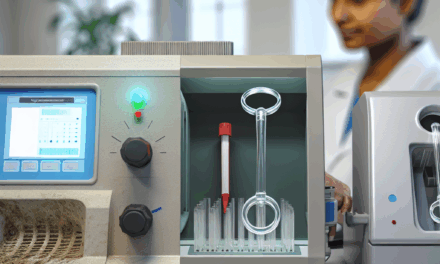
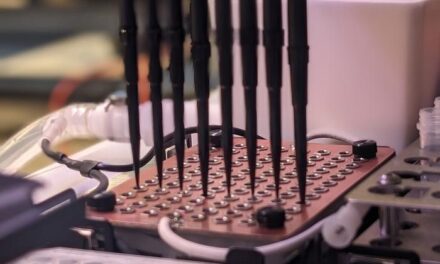
The testing process bypasses the traditional overnight culture step. It uses a cartridge of fine tubes pre-loaded with different antibiotics that is dipped into the urine sample and loaded into an instrument. Optical imaging then monitors bacterial growth; if growth is blocked, the antibiotic is effective against the infection.
“By the time the laboratory delivers the result under current methods, a patient may already have finished their antibiotics, or been given ones that do not work,” says Oliver Hancox, chief executive officer of Astratus Limited, in a release. “Being able to tell a doctor the same day which antibiotic to use means the patient gets the right treatment sooner, reducing the risk of resistance developing and their infection turning into potentially lethal sepsis.”
Impact of Preservatives on Accuracy
A second study of 90 duplicate samples demonstrated 98.75% agreement for direct-from-urine testing when using samples with and without a boric acid preservative. This finding suggests that the preservative, commonly used for sample storage and transport, does not interfere with the accuracy of the rapid results. This is the first study to directly compare urine samples with and without boric acid to assess the impact of the preservative on a rapid direct-from-urine method.
“UTIs are a common reason that patients need antibiotics, and getting the right treatment first time could be a lifesaver,” says Matthew Inada-Kim, a consultant acute physician and antimicrobial resistance lead at Hampshire Hospitals NHS Foundation Trust, in a release. “A test that works on samples we already collect as standard, and gives us answers the same day, is exactly the kind of tool that could change how we manage these infections in practice.”
Addressing Antimicrobial Resistance
The research was funded by the National Institute for Health and Care Research (NIHR). National Health Service (NHS) data indicates that UTIs have resulted in more than 800,000 hospital admissions in England over the last five years. Approximately 25% of analyzed samples in NHS laboratories contained bacteria resistant to common antibiotics.
“This NIHR-funded research not only has the potential to deliver quicker, more effective treatments to patients suffering with UTIs but also tackles the broader challenge of antimicrobial resistance,” says Mike Lewis, NIHR scientific director for innovation, in a release.
The rapid test is being brought to market by Astratus Limited, a spin-out company from the University of Reading. Researchers note that approximately 65 million urine samples are tested annually in the UK.
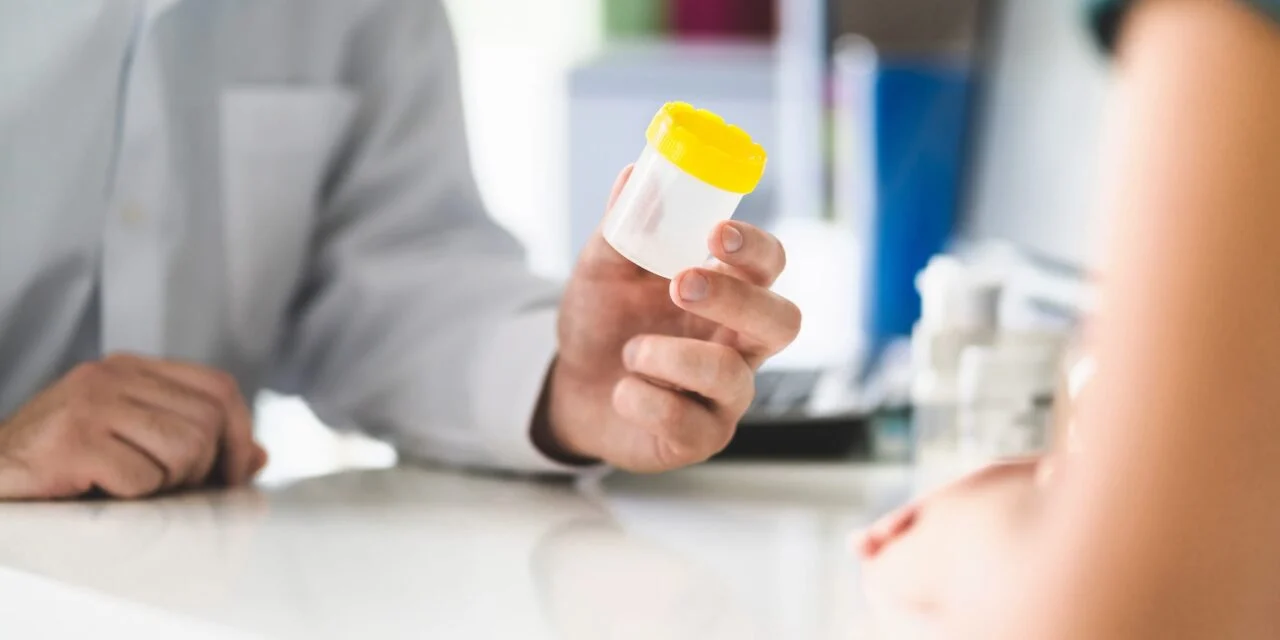
ID 131141336 | Lab © Tero Vesalainen | Dreamstime.com
Related Reading:
FDA Grants Breakthrough Device Designation to Nanopath’s UTI Diagnostic Platform
Seegene, Springer Nature Launch $600K Grant Program for UTI Antibiotic Resistance Research
FDA Grants Breakthrough Status to Two Rapid Tests for Drug-Resistant Infections
Enhanced PCR Reporting Service Applies CLSI Guidelines to UTI Results