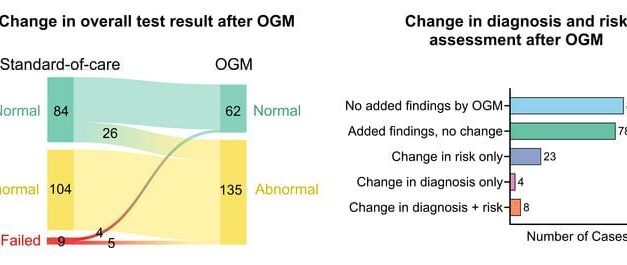
Study: New Mapping Method Improves Detection of Leukemia Abnormalities
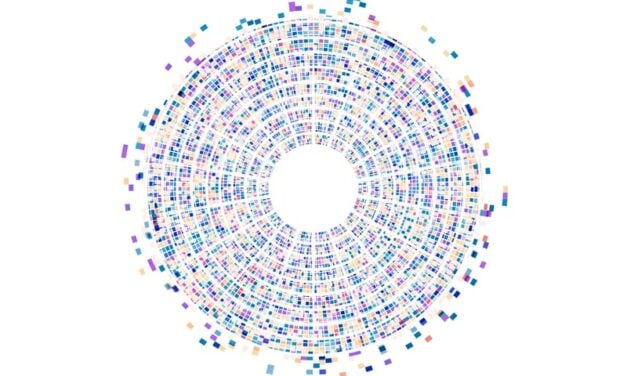
Research shows optical genome mapping identifies genomic changes in nearly 98% of T-cell acute lymphoblastic leukemia cases compared to 55% with traditional analysis.
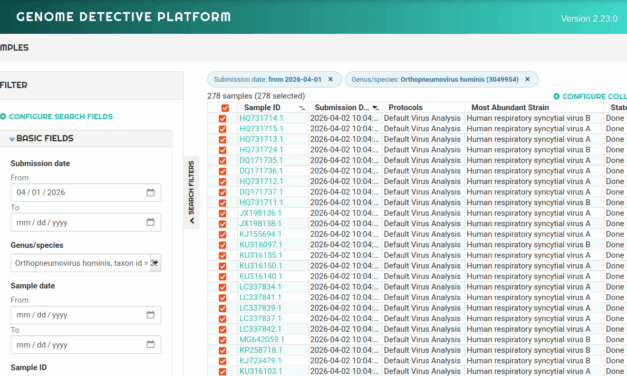
Biotia’s clinical study, published in Microbiology Spectrum, validates an NGS and machine learning assay for UTIs, reporting 97.2% sensitivity and 99.6% specificity in direct detection and AMR profiling from urine samples.
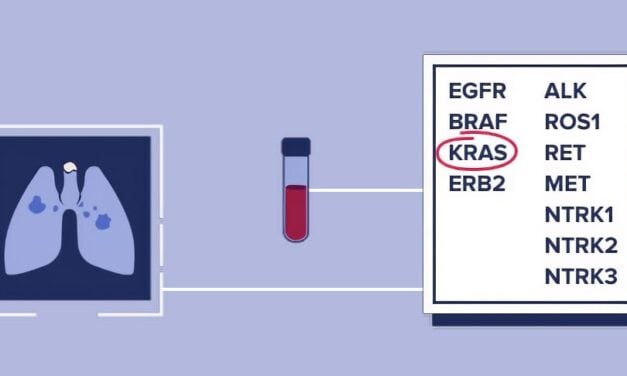
Biodesix will present seven abstracts—including two oral sessions—at AACR 2026, highlighting advances in automated myeloid testing, liquid biopsy, and NGS-based cancer monitoring platforms.
The collaboration aims to develop an automated genomics platform for decentralized labs, aiming to expand access to streamlined NGS workflows in oncology.
Read MoreIllumina has announced an 18-month roadmap for NovaSeq X, featuring a 40% output increase to 35 billion reads, faster turnaround times, new flow cell options, and the introduction of Q70 quality scores.
Read MoreUltima Genomics and Hamilton have partnered to automate NGS sample preparation and amplification workflows, integrating Ultima’s sequencing systems with Hamilton’s Microlab STAR liquid handling platform to improve lab efficiency.
Read MoreThe integrated testing approach combines genomic profiling with immunohistochemistry to support faster treatment decisions for advanced-stage cancer patients.
Read MoreThermo Fisher Scientific has launched a kit enabling sequential extraction of protein, DNA, and RNA from a single sample, supporting multi-omics cancer research and downstream mass spectrometry and sequencing applications.
Read MoreThe automation-compatible system works with plasma, serum, urine and cerebrospinal fluid samples from 1 ml to 4 ml input volumes.
Read MoreThe company plans to use CRISPR-Cas9 as a binding tool to address bottlenecks in next-generation sequencing workflows.
Read MoreThe test offers sensitivity comparable to next-generation sequencing methods while using noninvasive blood specimens instead of bone marrow aspirates.
Read MoreThe BLOODPAC Consortium has released new analytical validation standards for liquid biopsy MRD tests, offering industry-wide protocols for tumor-informed ctDNA assay development, as detailed in JCO Precision Oncology.
Read MoreBridge Capture, a targeted NGS method, showed higher sensitivity for detecting rare ctDNA variants than two leading liquid biopsy assays, according to research in The Journal of Molecular Diagnostics.
Read MoreWeill Cornell Medicine researchers report a whole-genome sequencing algorithm may identify more patients for PARP inhibitor cancer therapies than current commercial tests, according to a study in Communications Medicine.
Read More