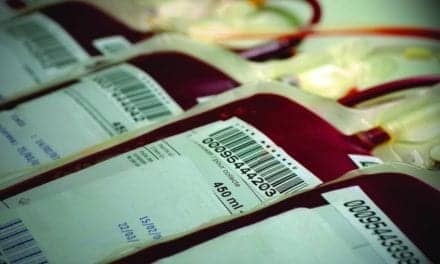
Fast, patient-specific blood test results during surgery can help clinicians decide when transfusions are truly needed.
By Sherri Ozawa, MSN, RN
The United States is facing a significant blood shortage, a situation that continues to make national headlines. Climate-related disruptions, changing donor patterns, and rising clinical demand have all contributed to the strain on supply. While the impact is felt across the entire healthcare system, surgical teams are especially vulnerable because reliable access to blood components has long been viewed as essential to safety and efficiency in surgical settings.
While we often see hardworking organizations work to increase the pool of blood donors, it’s not the only answer. A quieter but equally critical part of the solution is rethinking how we use the blood already available, and finding ways to preserve the patient’s own blood whenever possible—including in surgery.
The Unnecessary Risks of Transfusions
Although transfusions are perceived as essential and lifesaving in certain clinical situations, they can also do more harm than good. Despite these well-established facts, nearly 16 million blood components are transfused each year in the US. Published medical literature also points to a significant overuse factor, with estimates that more than 50% of red blood cells and up to 90% of plasma in the USA are transfused without clinical indication.
By reducing unnecessary/avoidable transfusions and focusing on the preservation of the patient’s own blood, clinical outcomes improve, and hospitals face less strain from constantly needing to replenish blood supplies.
The Shift Toward Protecting the Patient’s Own Blood
Patient blood management (PBM) is a patient-centered approach that prioritizes the preservation of a patient’s own blood, leading to improved outcomes. Just as PBM reframes transfusion as a last resort, innovations in rapid, point-of-care blood testing support the same philosophy of informed, data-based conservation.
Clinicians and patients want the best outcomes, whether it’s clinical, ethical, or financial. However, outdated assumptions about a liberal transfusion approach are still upheld by many facilities. Today, hundreds of hospital systems across the country are working to adopt practices that reflect an understanding of limited supply and the importance of better patient blood management.
How Personalized Rapid Testing Reduces Transfusions
Traditional lab testing can delay results, creating real challenges for physicians caring for patients in critical situations. During episodes of active bleeding, clinicians need immediate and accurate information to guide treatment decisions. When that data is unavailable, the default has often been to proceed with a transfusion, even though transfusions carry risks such as complications, infections, immune reactions, and prolonged recovery.
Recently, the World Health Organization issued new guidance calling for tools that can help improve conservation efforts, including point-of-care viscoelastic testing that reduces unnecessary blood transfusions by providing prompt, accurate guidelines for patient care.
Point-of-care testing provides real-time insight into how a patient is responding to treatment. With timely, individualized information about each patient, clinicians can make safer, more precise decisions rather than relying on an imprecise, traditional transfusion-centered approach.
With recent advancements in patient blood management, there are technologies that enable testing to be performed directly in the operating room rather than sending samples to the lab. This gives clinicians fast, real-time information that supports more accurate treatment decisions, reducing uncertainty and enabling earlier, more effective intervention.
In urgent care scenarios, where every minute matters, insight into patient-specific care plans can help guide surgical teams toward safer, more conservative clinical interventions. With viscoelastic testing, clinicians can determine whether bleeding is surgical, coagulation-related, or dilutional and develop specific treatment plans for patients.
From those efforts, transfusion rates can drop, relieving pressure on an already constrained blood supply. Through this, hospitals can also benefit financially by reducing product use, improving outcomes, and streamlining workflows.
Looking Ahead to Smarter Blood Conservation
The adoption of PBM programs requires cooperation from various departments, whether it’s anesthesia, surgery, nursing, or administration. All departments must work together to implement training to increase awareness and the willingness to change long-standing transfusion habits. The first step is acknowledging that old assumptions persist and that transitioning to data-first decision-making requires a cultural shift and shared accountability.
Protecting a patient’s own blood has never been more critical, especially amid ongoing shortages and the risks associated with transfusions. Personalized rapid blood testing gives clinicians the information needed to deliver more precise, targeted care, which helps reduce reliance on transfusions. As innovation continues, clinicians will be able to treat patients with greater accuracy and efficiency, even as blood supply challenges persist.

Author bio: Sherri Ozawa, MSN, RN is a patient blood management expert and director of clinical operations and delivery for comprehensive patient blood management at hc1.
ID 45640306 © Sudok1 | Dreamstime.com