
The biotechnology company’s integrated screening approach combines whole-genome sequencing, imaging, and multiple biomarker tests to enable early detection.
Human Longevity Inc has expanded its $1 million cancer pledge to include colon cancer detection and prevention services for members of its Executive Health Program and 100+ Longevity Programs.
The South San Francisco-based biotechnology company provides up to $1 million in clinical support for qualified members diagnosed with late-stage colon cancer while actively enrolled in its health programs. The expanded pledge aims to address limitations in traditional colon cancer screening, which typically relies on age-based schedules and procedures like colonoscopy that identify tumors after they have formed. The company’s approach integrates multiple diagnostic tools, including whole genome sequencing, imaging, biomarker analysis, and molecular screening to create personalized risk profiles.
“Our mission is to detect colon cancer before it becomes life-threatening,” says Dr Wei-Wu He, executive chairman of Human Longevity, in a release. “Early detection isn’t about relying on one test—it’s about integrating accurate clinical insights across multiple tools to give our members the strongest chance to prevent disease or catch it early.”
Multi-Modal Screening Approach
Human Longevity’s platform combines whole genome sequencing to identify inherited single-gene risk and complex polygenic risk for colon cancer, often years before symptoms appear. The genomic data is integrated with imaging, biomarker analysis, and molecular screening to develop personalized screening plans.
The company highlighted a recent case where a patient with a normal colonoscopy had positive results from both the GRAIL blood test and the Cologuard stool DNA test. Follow-up evaluation revealed cancer in the appendix, a region near the colon not always fully evaluated during routine procedures.
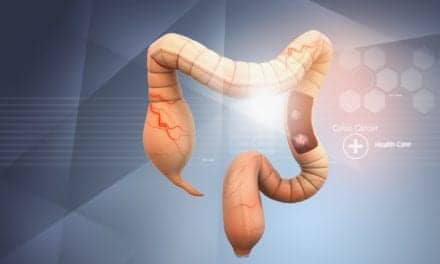
Colon cancer ranks among the leading causes of cancer-related death worldwide, yet remains highly preventable when detected early. Many diagnoses still occur only after symptoms appear and the disease has advanced, according to the company.
ID 31222725 © Luchschen | Dreamstime.com