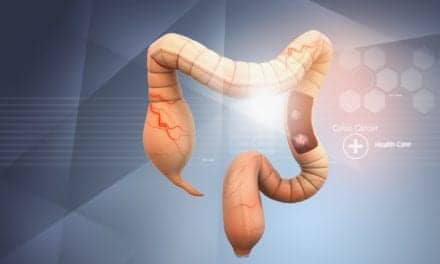

CITCCA data demonstrate more than 40% of high-risk stage I–III colorectal patients harbor molecular residual disease at clinical landmark, detectable only with ultrasensitive ctDNA testing.
SAGA Diagnostics has launched its Pathlight MRD diagnostic test for patients with colorectal cancer, expanding the clinical application of the ultrasensitive blood-based test beyond its initial use in early-stage breast cancer.
The launch is supported by data from the CITCCA study, one of the largest real-world circulating tumor DNA studies in stage I–III colorectal cancer. The prospective study, conducted with investigators from the Karolinska Institutet, used Pathlight to retrospectively analyze ctDNA from 377 patients, approximately 40% of whom had rectal cancer.
Results showed a strong association between post-treatment ctDNA status and recurrence risk. Patients who tested positive for ctDNA demonstrated a three-year relapse-free interval of 19%, compared with 95% for ctDNA-negative patients. At landmark, 42.5% of ctDNA-positive patients had molecular residual disease detectable only at ultrasensitive levels below 100 parts per million.
“The colorectal data from CITCCA builds on the strong foundation Pathlight has established in breast cancer,” says Vicki Fish, senior vice president of marketing and sales at SAGA Diagnostics, in a release. “Pathlight detects molecular residual disease at extremely low levels – months ahead of clinical recurrence – opening new opportunities for earlier intervention.”
Addressing Clinical Need in Colorectal Cancer
Colorectal cancer is the second leading cause of cancer-related death worldwide, with rising incidence rates. As treatment becomes increasingly individualized, sensitive tools are needed to detect MRD and guide neoadjuvant and adjuvant therapy decisions.
The CITCCA study data showed that adjuvant therapy was effective in improving survival in ctDNA-positive patients. The results support Pathlight’s ability to identify and stratify high-risk colon and rectal cancer patients who would be missed with less sensitive approaches, according to SAGA Diagnostics.
Pathlight uses a structural-variant-based approach to achieve ultrasensitive detection levels. The test is designed to identify patients at high risk of relapse and support clinical decision-making in cancer treatment.
Commercial Availability
Pathlight is currently available for commercial use in the US for patients with early-stage breast cancer through SAGA Diagnostics’ CLIA-certified laboratory in Research Triangle Park, North Carolina. The company is partnering with pharmaceutical, biotechnology, and commercial entities to support cancer development programs across multiple cancer types.
The Morrisville, North Carolina-based company focuses on blood-based cancer detection and precision medicine, with a mission to detect molecular residual disease at early stages when cancer is most treatable.
ID 400062393 © Panuwat Dangsungnoen | Dreamstime.com