The 3-test panel detects antibodies for parasitic infections that affect up to 45 million people globally and are linked to bile duct cancer.
Kephera Diagnostics has launched a commercial testing panel for liver fluke infection through its CLIA laboratory, addressing a diagnostic gap for parasites that infect millions worldwide and are classified as biological carcinogens by the World Health Organization (WHO).
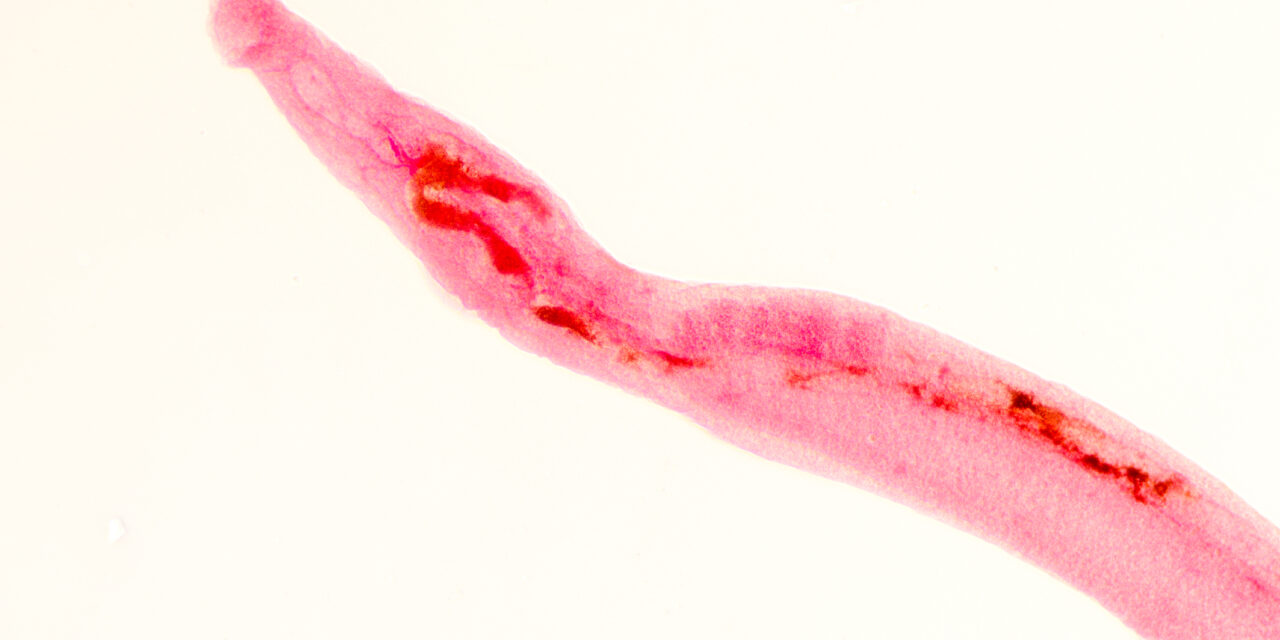
The panel includes tests for three liver fluke species: Clonorchis sinensis (Chinese liver fluke), Opisthorchis viverrini (Southeast Asian liver fluke), and Fasciola hepatica (common liver fluke). The company developed the tests with $2.3 million in funding from National Institutes of Health SBIR contracts.
“The launch of the liver fluke panel from our CLIA laboratory is a significant step forwards for public health as well as for Kephera,” says Dr Andrew Levin, chief executive and scientific officer of Kephera Diagnostics, in a release. “It fills a known gap in diagnostics for these parasites, which have been underrecognized sources of illness due to the lack of available testing resources up until now.”
Addressing Global Health Impact
Chinese and Southeast Asian liver flukes infect an estimated 45 million people across Asia, including China, Korea, and Southeast Asia. Humans acquire these infections by eating raw freshwater fish infected with the parasites. The parasites live in bile ducts and can survive for decades, causing symptoms ranging from mild to severe depending on parasite burden and infection duration.
Long-term infection with these liver fluke species has been linked to cholangiocarcinoma, a rare but highly lethal bile duct cancer that may develop years after initial infection. Liver fluke is one of only two parasites designated as biological carcinogens by WHO.
The infection has been raised as a possible risk factor for cholangiocarcinoma in US personnel who served in Vietnam between 1961-1975. A 2018 study found evidence of elevated parasite exposure rates in Vietnam veterans based on antibody testing conducted in South Korea, though the US Department of Veterans Affairs has questioned the study’s validity.
Testing Technology and Availability
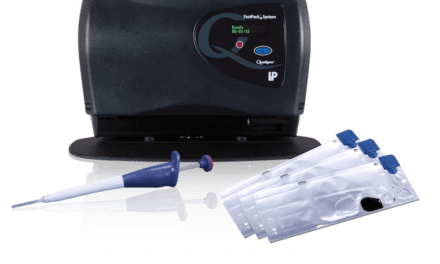
Kephera’s liver fluke panel detects antibodies to specific parasite biomarkers using an ELISA format. As a serological test, the panel can detect evidence of both current and past infections. The panel is unique as no tests for Clonorchis or Opisthorchis liver fluke infection are currently available from the CDC or other US laboratories.
Fasciola hepatica, transmitted through eating aquatic plants like watercress that carry larval cysts, affects an estimated 2.4 to 17 million people worldwide. The infection has higher prevalence in areas where sheep and cattle are raised. If untreated, Fasciola can cause chronic inflammation and blockage of bile ducts, gallbladder, pancreas, or other tissues, potentially leading to fibrosis.
The National Cancer Institute funded test development under SBIR Contract No. 75N91021C00047. Kephera collaborated with the Armed Forces Research Institute of Medical Sciences in Bangkok, Thailand, the US Centers for Disease Control and Prevention, and the National Institute of Malariology, Parasitology and Entomology in Hanoi, Vietnam.
ID 25732826 © Xunbin Pan | Dreamstime.com