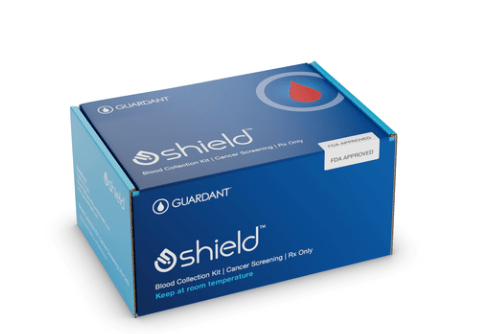
The precision oncology company will provide up to 100 Shield blood tests per organization to support March screening events and educational outreach.
Guardant Health Inc launched a community grant program that will provide free colorectal cancer screening tests to patient advocacy groups, nonprofits, and public health organizations during Colorectal Cancer Awareness Month in March.
The Palo Alto, California-based precision oncology company will distribute up to 100 Shield tests per organization to support community health fairs, screening events, and educational outreach programs. All tests will be provided at no cost to patients or participating organizations.
Shield is the first US Food and Drug Administration (FDA)-approved blood test for primary colorectal cancer screening in adults age 45 and older at average risk. The test uses methylation partitioning cell-free DNA technology to detect alterations associated with colorectal cancer in blood samples.
“Shield is the first and only blood test approved by the FDA as a primary screening option for [colorectal cancer] for adults age 45 and older at average risk, offering patients a more pleasant and convenient option for screening by overcoming barriers associated with other screening methods,” the company says in a release.
Addressing Screening Barriers
Colorectal cancer is the leading cause of cancer-related deaths nationwide, yet it remains highly preventable through recommended screening. The grant program targets underserved and underscreened communities where traditional screening methods may present barriers to patient participation.
Organizations with established community and health outreach programs are eligible to apply. The company encourages applications from groups that can demonstrate capacity to conduct screening events and educational activities during March.
Application Process and Timeline
Interested organizations must review the Request for Proposals and complete the application form available on Guardant Health’s website.
The Shield test is intended for individuals at average risk for colorectal cancer and is not recommended for high-risk patients. A positive Shield result indicates concern for colorectal cancer or advanced adenoma and requires follow-up colonoscopy evaluation.
Photo caption: Shield test
File photo / Guardant Health