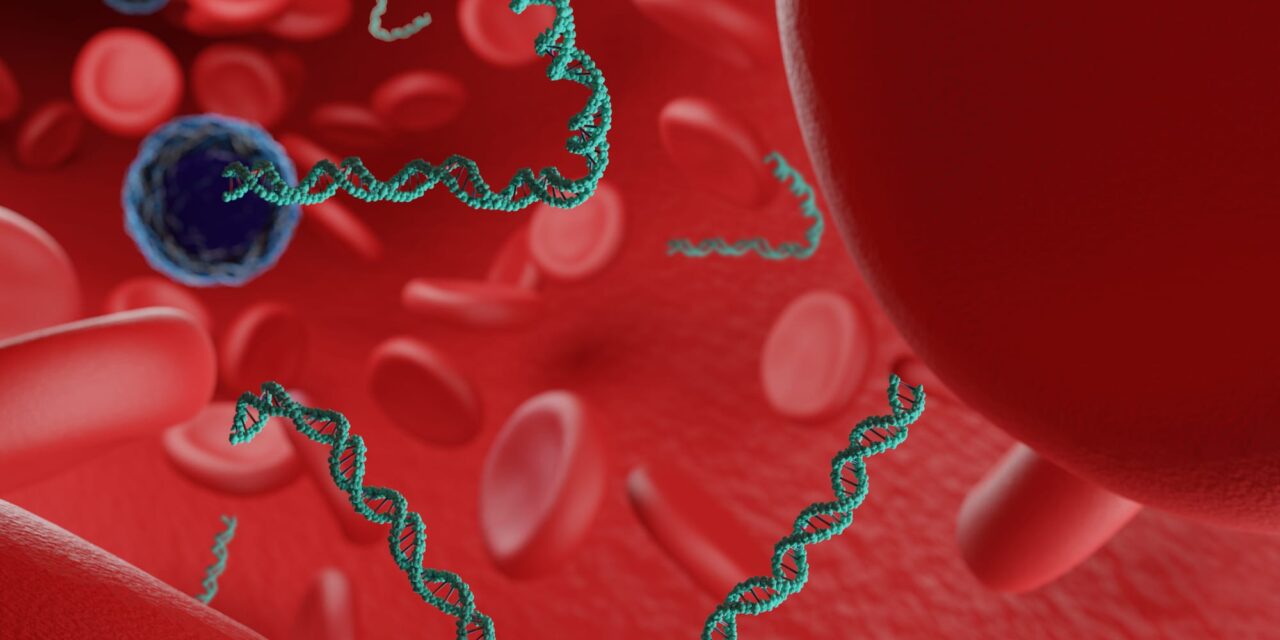
Tumor-informed blood test uses whole-exome sequencing and bioinformatics to identify trace tumor DNA before recurrence appears on imaging.
NeoGenomics Inc launched RaDaR ST, a circulating tumor DNA (ctDNA) assay for detecting molecular residual disease (MRD) across multiple solid tumor types.
The assay uses patient-specific, tumor-informed panels to detect trace amounts of tumor DNA in blood, often before recurrence is visible on imaging. RaDaR ST combines whole-exome sequencing with advanced bioinformatics to track up to 48 tumor-specific variants with a limit of detection at 95% probability of 11 parts per million.
“RaDaR ST represents an important advancement in MRD testing, a rapidly growing market that remains largely untapped,” says Tony Zook, chief executive officer of NeoGenomics, in a release. “By providing patient-specific molecular insights, the test enables clinicians to detect residual disease and recurrence sooner than conventional imaging, supporting more informed treatment decisions at each stage of care.”
Clinical Validation and Applications
The assay has been validated through clinical and real-world data, including studies in breast and HPV-negative head and neck cancers, according to a release from the company. RaDaR ST shows utility for earlier detection of recurrence, identification of patients with persistent molecular disease, and long-term surveillance in high-risk populations.
The test is approved by Medicare for initial launch indications, with two additional indications submitted for reimbursement.
Expanded Testing Portfolio
With the launch of RaDaR ST, NeoGenomics now offers a solid tumor care solution that spans from diagnostic profiling to therapy selection and personalized MRD assessment.
“These development milestones reflect the brisk pace of innovation across our portfolio and our ongoing commitment to investing in technologies that address emerging clinical needs,” says Zook in a release. “With the launch of RaDaR ST, NeoGenomics now offers a solid tumor care solution that spans the continuum of cancer care from diagnostic profiling to therapy selection and personalized MRD assessment, enabling physicians to better guide treatment decisions from diagnosis through long-term disease monitoring.”
ID 261106991 © Meletios Verras | Dreamstime.com