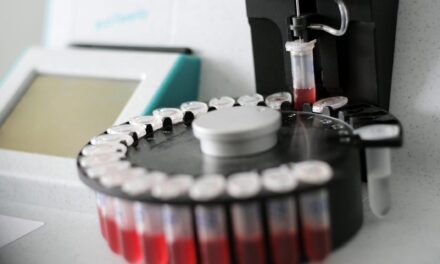
The approvals cover HD-X and SR-X immunoassay platforms and four blood-based neurology biomarker tests, expanding access to Alzheimer’s diagnostics in the Chinese clinical lab market.
China’s National Medical Products Administration (NMPA) has granted regulatory approvals for Quanterix and Innovita Biological Technology for two digital immunoassay instruments and four neurological biomarker assays.
The regulatory clearances include Quanterix’s HD-X and SR-X instruments, as well as test kits for four blood-based biomarkers: p-Tau 217, GFAP, p-Tau 181, and NfL. Together, the approvals clear a path for clinical laboratories in China to implement ultra-sensitive testing platforms for Alzheimer disease and related neurological conditions.
Expanding Diagnostic Access
Initially formed in 2024, the commercialization partnership pairs Quanterix’s biomarker detection technology with Innovita’s diagnostics development, regulatory, and commercialization reach across China.
The four authorized biomarker kits deliver complementary insights across Alzheimer disease pathology, neurodegeneration, and neuroinflammation. These analytes support clinical applications throughout the diagnostic pathway, ranging from early risk detection to ongoing disease monitoring and prognosis.
“Alzheimer’s disease can progress quietly for years—too often. Families only get answers after symptoms have progressed and drastically changed their lives,” says Xiujie Zhang, CEO of Innovita, in a release. “By partnering with Quanterix, we’re bringing ultra-sensitive blood-based biomarker testing to China, supporting earlier, more informed clinical decision-making and expanding access to advanced diagnostics for patients and communities who need it most.”
Overcoming Sensitivity Limits
Detecting neurodegenerative proteins in peripheral blood has traditionally presented significant technical challenges for clinical laboratories. Biomarkers such as p-Tau 217 often circulate at extremely low concentrations in plasma, falling below the analytical limits of quantification typical of conventional immunoassay platforms.
Quanterix’s SIMOA digital immunoassay technology addresses these analytical barriers by quantifying proteins at single-molecule concentrations in blood, serum, and plasma. This sensitivity allows laboratories to detect low-abundance targets that conventional platforms cannot reliably measure, facilitating multi-analyte testing strategies for neurological evaluation.
“Alzheimer’s disease places an enormous burden on patients and families, and earlier, more accessible testing can help clinicians make more informed decisions sooner,” says Everett Cunningham, Quanterix CEO, in a release. “Our commercialization arrangement with Innovita is a critical step toward expanding access to ultra-sensitive protein biomarker testing globally and underscores the momentum of our strategy to bring SIMOA powered diagnostics into large, high-impact IVD markets through strong regional partners.”
Future Regulatory Pipeline
Innovita plans to pursue further NMPA submissions for additional Quanterix diagnostic kits in China to expand the integration of SIMOA testing into routine clinical practice. Beyond Alzheimer disease, the companies are evaluating opportunities to introduce the technology for other neurodegenerative conditions and infectious disease applications.