
The diagnostics company reduced key analysis steps from days to hours for its lymph-based liquid biopsy test that detects residual cancer.
Droplet Biosciences announced it has achieved significant reductions in genomic analysis time by implementing NVIDIA Parabricks, a GPU-accelerated software suite designed to speed up genomic data analysis for DNA sequencing.
The Cambridge, Massachusetts-based diagnostics company uses its LymphDetect test to detect residual cancer after tumor removal through deep sequencing analysis of lymphatic fluid. By moving from CPU-only pipelines to GPU-accelerated workflows, Droplet reduced key analysis steps from days to hours.
Additionally, the method found:
Variant calling accelerated from up to 36 hours to under three hours
Sequence alignment reduced from approximately 10 hours to under one hour
Overall analysis timelines compressed from 10 days to two days
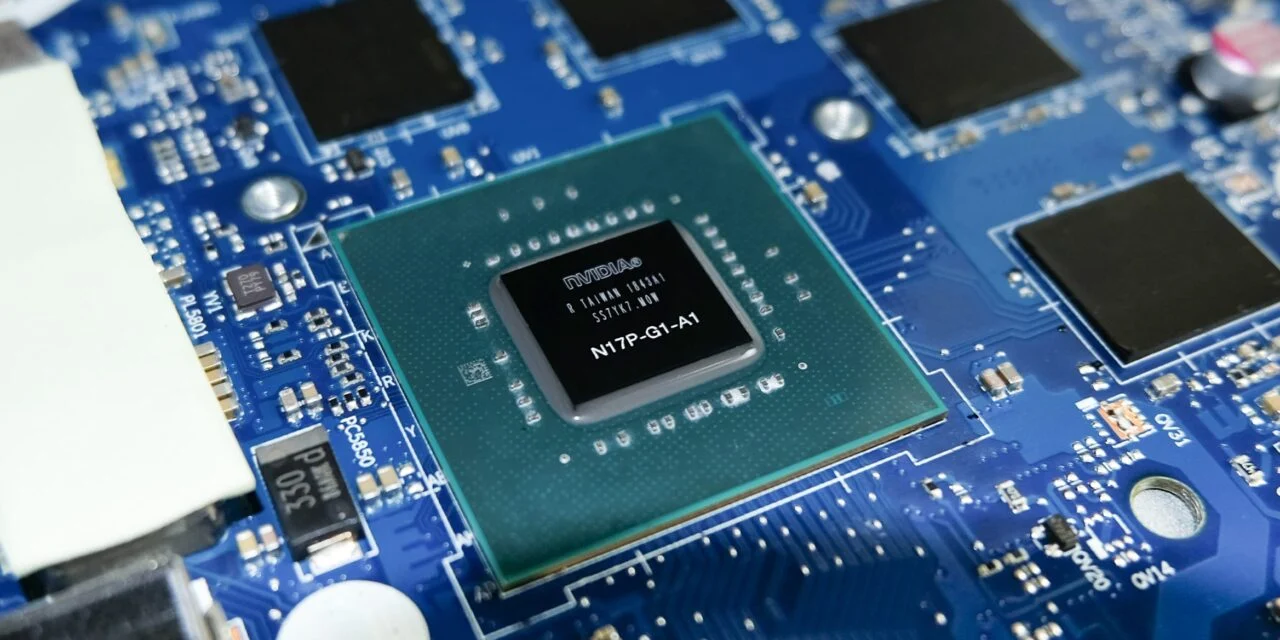
The performance gains are powered by NVIDIA’s accelerated computing architecture, including the NVIDIA L4 Tensor Core GPU and NVIDIA L40S, “which enable massive parallelization for genomics workloads,” according to the company.
Faster Results Enable Earlier Clinical Decisions
Droplet’s approach analyzes lymphatic fluid collected 24 hours after surgery, allowing clinicians to assess residual disease earlier than blood-based testing options. The company’s test requires significant computational power and previously took days to return results even with extensive cloud infrastructure.
“By leveraging NVIDIA Parabricks’ acceleration, we’ve been able to compress some of our most computationally intensive steps from more than a day down to just a few hours,” says Wendy Winckler, PhD, chief science officer at Droplet, in a release. “That speed matters. It means clinicians can get critical information sooner, make decisions at a more impactful moment, and ultimately deliver better, more personalized care for patients.”
Cost Benefits Despite Higher GPU Expenses
Beyond performance improvements, Droplet has realized operational benefits from the technology shift. Despite higher hourly costs for GPU compute, the dramatically reduced runtime results in lower overall cost per sample, supporting the scalability of GPU-accelerated genomics in clinical settings.
The company is actively implementing additional acceleration tools with the goal of analyzing results in one day consistently.
“We serve a unique segment of the cancer detection market where speed-to-result is particularly important for treatment decisions,” says Greg Gosch, chief executive officer at Droplet, in a release. “We look forward to continuing our collaboration with NVIDIA to optimize and implement Parabricks technology into our cancer testing pipeline.”
Droplet Biosciences focuses on lymph-based liquid biopsy testing and has built an intellectual property portfolio around the use of lymphatic fluid derived from surgical drain fluid, which contains high concentrations of biomarkers.
ID 191209309 @ Barry32 | Dreamstime.com