
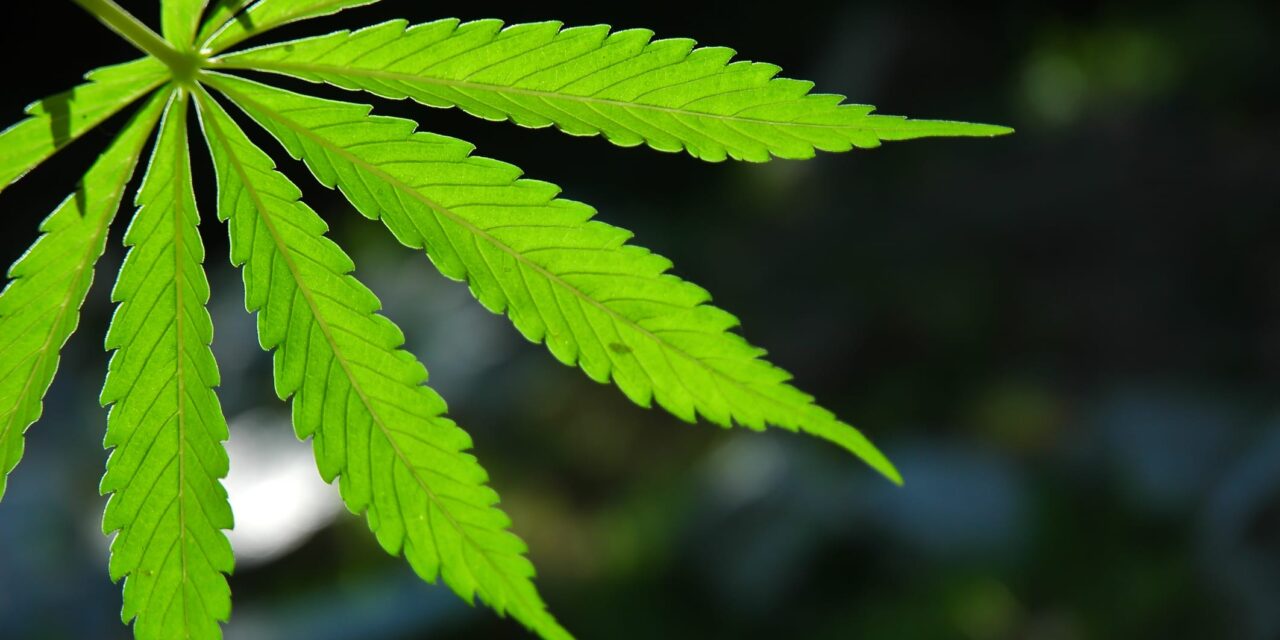
The 2026 Quest Diagnostics Drug Testing Index shows a nearly 46% increase in positive hair tests since 2021, driven largely by marijuana use.
Nearly one in five workers in the general US workforce tested positive for drug use in 2025 based on an analysis of hair specimens, according to the 2026 Quest Diagnostics Drug Testing Index.
The findings show that hair test positivity reached 19.1% last year, representing a relative increase of nearly 46% compared to the 13.1% positivity rate reported in 2021. Marijuana remains the primary driver of positive results across all specimen types, accounting for 52.5% of all hair drug positives in 2025.
“These findings demonstrate the importance of a comprehensive approach to impairment mitigation in the workplace,” says Claire Bryant, senior program manager of workplace wellbeing at the National Safety Council, in a release.
Detection Windows and Specimen Trends
The Drug Testing Index report highlights significant differences in positivity rates based on the specimen type used for testing. While hair analysis provides an extended detection window of approximately 90 days to identify long-term patterns of use, oral fluid and urine testing capture shorter windows.
In the general US workforce, marijuana positivity reached 15.1% in hair testing, 11.1% in oral fluid testing, and 4.4% in urine testing. Oral fluid testing typically captures use within a few hours, while urine testing detects substances used within the previous several days.
Quest Diagnostics researchers note that hair and oral fluid collection methods are more resistant to tampering or substitution than urine testing.
“Hair and oral fluid testing not only capture different windows of use but are also more resistant to tampering and substitution than traditional methods. This gives employers more accurate insight into safety risks,” says Jason S Hudson, PhD, scientific director and laboratory director, workforce solutions, for Quest Diagnostics, in a release. “That matters because substance use in the workplace doesn’t just affect productivity; it can directly impact safety, decision-making, and the well-being of employees, particularly in safety-sensitive roles where even small lapses can have serious consequences.”
In addition to marijuana, hair test positivity increased for other substances between 2021 and 2025. Cocaine positivity rose from 2.7% to 4.0%, amphetamine positivity increased from 1.8% to 2.3%, and methamphetamine positivity rose from 2.1% to 2.5%.
Industry Impact and Fentanyl Declines
Drug positivity rates varied significantly by industry in 2025. The healthcare sector recorded the highest overall positivity rate at 5.8%, up from 5.1% in 2021. This increase was largely attributed to marijuana and amphetamines. Other sectors with elevated rates included retail trade at 5.4% and professional and technical services at 5.3%. Lower rates were observed in manufacturing and transportation, both at 4.2%.
Despite the rise in marijuana and cocaine detection, the report found that fentanyl positivity in the general US workforce declined by nearly half. Positivity for the substance dropped to 0.28% in 2025, compared to 0.55% in 2024.
“We’re encouraged to see this significant decline in workforce fentanyl positivity, which reflects the collective impact of ongoing efforts to protect and champion employee health and safety,” says Bryant in a release.
The report also noted that the federal government is currently assessing the classification of marijuana. In April 2026, the acting US attorney general signed an order to move medical marijuana from Schedule I to Schedule III under the Controlled Substances Act, a change that could eventually affect drug testing protocols in federal programs.
ID 13399576 © Braden Gunem | Dreamstime.com


