The contract funds the development of a plasma cell-free DNA diagnostic system for invasive fungal infections.
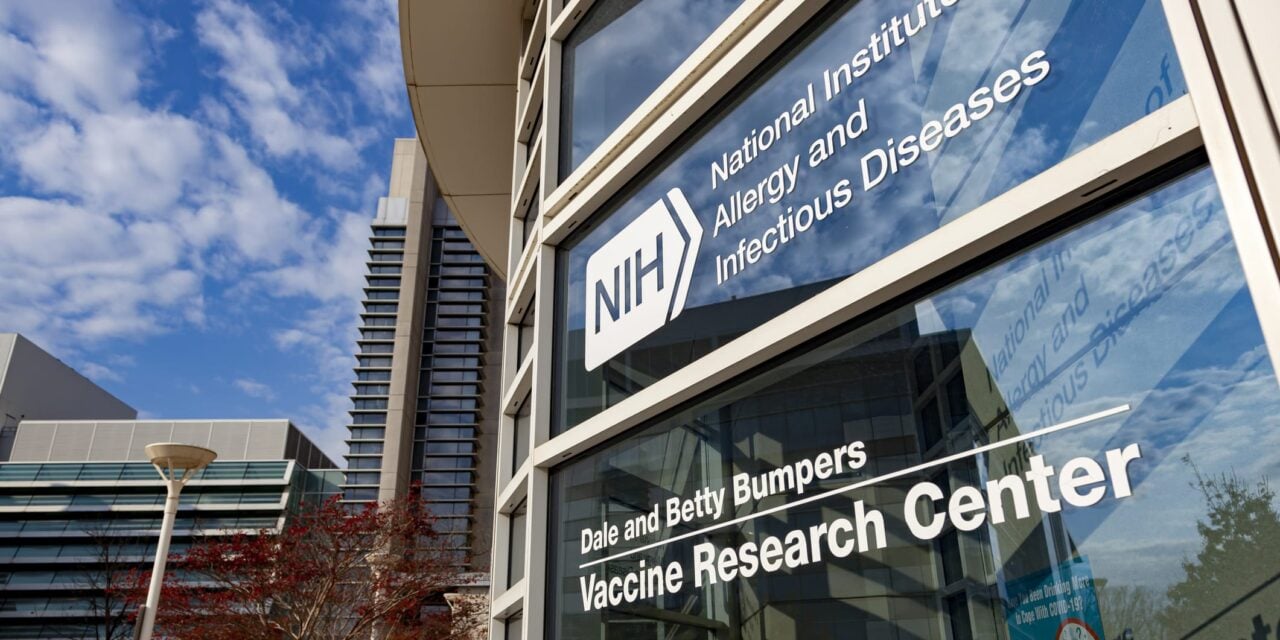
Zepto Life Technology has been awarded a contract valued at up to $8.9 million from the National Institute of Allergy and Infectious Diseases (NIAID), part of the National Institutes of Health (NIH), to advance its plasma cell-free DNA liquid biopsy platform for invasive fungal infections.
The award supports the development of the company’s integrated molecular diagnostic system, including engineering, manufacturing, and a planned multi-center clinical study designed to support a future Food and Drug Administration (FDA) submission.
Invasive fungal infections primarily affect vulnerable populations, including patients with cancer, transplant recipients, and older adults. Morbidity and mortality rates remain high due to diagnostic delays, as current testing methods often require invasive specimen collection or slow culture-based testing.
The Zepto MDx platform is designed to detect pathogen-derived cell-free DNA directly from plasma. This allows for targeted identification of infectious pathogens from a standard blood draw, potentially shortening the time from clinical suspicion to an actionable diagnosis. The system is intended for deployment in hospital and clinical microbiology laboratories to bring testing capabilities closer to the patient.
The company’s FungiFlex Mold Panel has previously received FDA Breakthrough Device Designation and is currently available through Zepto’s Clinical Laboratory Improvement Amendments (CLIA)-certified reference laboratory.
“Today, FungiFlex is available through our CLIA reference laboratory, but we’ve always been building toward something bigger,” says Hannah Zhang, CEO of Zepto Life Technology, in a release. “This award helps us advance Zepto’s technology as a deployable liquid biopsy platform for infectious disease and bring that capability directly into hospital microbiology laboratories. That means getting clinicians actionable answers closer to the moment they first suspect an infection.”
The contract includes an initial award of $1.9 million, with further funding available if development milestones are met. The project is financed entirely with federal funds from the NIAID, the NIH, and the Department of Health and Human Services.
ID 202678666 © Grandbrothers | Dreamstime.com