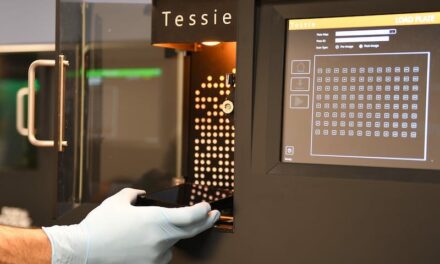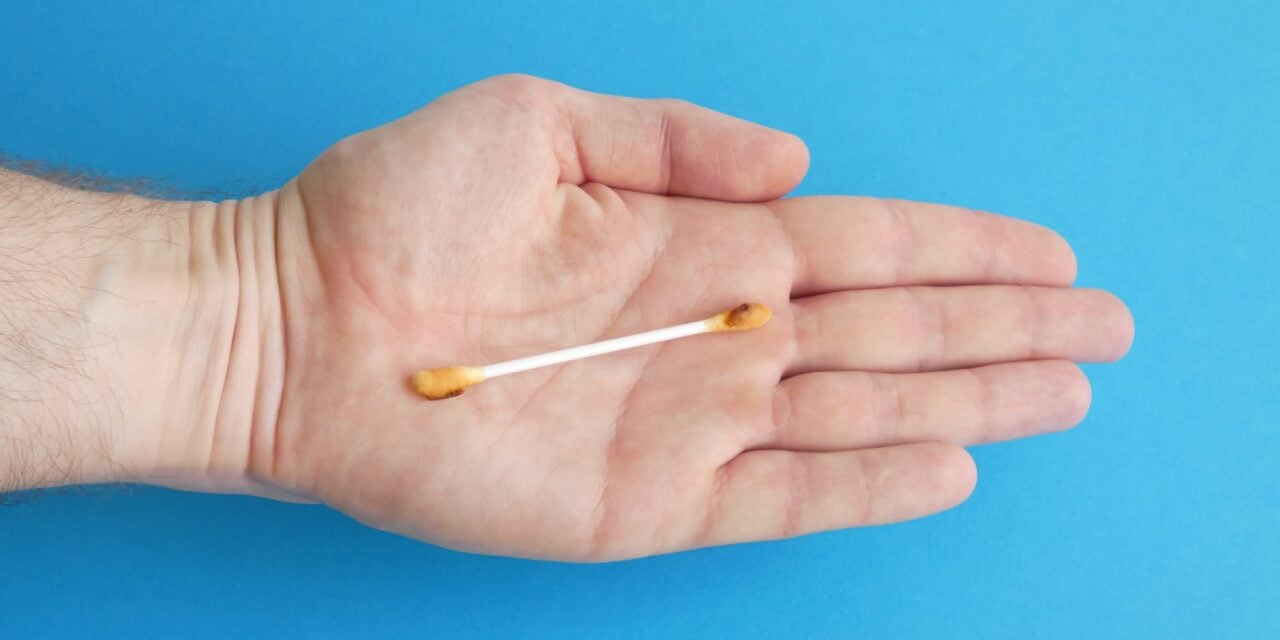
Developed through the State University of New York, the approach evaluates biochemical markers in cerumen to support earlier detection and disease monitoring.
A newly developed diagnostic method uses mass spectrometry to analyze biochemical markers in earwax to detect Meniere’s disease, according to the Research Foundation for the State University of New York (SUNY).
The technology is designed to provide a rapid, non-invasive, and objective testing method by identifying specific molecular compounds and fatty acid profiles in small cerumen samples. The measured profiles are then compared against established biochemical signatures indicative of the condition.
Addressing Diagnostic Limitations in Otolaryngology
Meniere’s disease is a chronic inner ear disorder marked by episodes of vertigo, fluctuating hearing loss, tinnitus, and a sensation of fullness in the ear. While the precise etiology remains incompletely understood, the condition is believed to involve abnormal fluid buildup within the inner ear.
Clinical diagnosis currently depends primarily on patient history, subjective symptom reporting, and clinical examination. Because these symptoms frequently mimic other vestibular and auditory disorders, differential diagnosis remains challenging. While audiometric evaluations and imaging techniques provide anatomical and functional data, they lack the sensitivity and specificity required to definitively confirm Meniere’s disease. Furthermore, there are currently no widely adopted, non-invasive biomarker assays available for routine clinical laboratory use, often resulting in prolonged diagnostic workups or misdiagnoses.
Cerumen Profiling via Mass Spectrometry
By utilizing cerumen—an accessible biological specimen that has historically seen limited use in clinical testing—the platform delivers molecular-level assessments capable of detecting subtle metabolic changes associated with inner ear pathology.
Beyond initial screening and diagnosis, developers note that the mass spectrometry method may support long-term monitoring of disease progression, evaluation of treatment response, and screening of at-risk patient populations. Eliminating the need for more complex, invasive diagnostic procedures also has the potential to enhance patient compliance and testing comfort.
Development Stage and Licensing
The diagnostic platform is currently positioned at Technology Readiness Level 4, with intellectual property protected under patent application 18/778,456. The technology is available for commercial licensing through SUNY TechConnect and the Research Foundation for the State University of New York.
ID 459796386 © sunkit | Dreamstime.com