A study of more than 60,000 lung cancer cases found that AI could predict the presence of 12 biomarkers with more than 80% sensitivity, potentially helping laboratories prioritize additional testing.
An artificial intelligence (AI)-enabled pre-screening panel analyzing routine hematoxylin and eosin (H&E) pathology whole slide images achieved greater than 80% sensitivity across all 12 biomarkers evaluated in advanced non-small cell lung cancer (NSCLC), according to study results presented by Tempus AI at the European Society for Medical Oncology (ESMO) Congress 2026 in Madrid.
The multi-center study evaluated 60,459 advanced NSCLC cases across 56,969 patients as part of an ongoing collaboration between Tempus and Pfizer. The computational pathology panel evaluates digitized whole slide images to predict genomic and immunohistochemistry (IHC) biomarker status, with sensitivity exceeding 90% for several biomarkers.
“Precision medicine only works when clinicians have the right information at the right time,” says Ezra Cohen, MD, chief medical officer of oncology at Tempus, in a release. “These findings demonstrate the potential for AI to extract meaningful information from a pathology image that is already part of routine care and help clinicians determine what testing may be most important next. This builds on our efforts to apply AI to routine diagnostic data to help more patients benefit from precision medicine.”
Prioritizing Molecular Testing and Conserving Tissue
As the pipeline of targeted therapies in NSCLC continues to expand, clinical laboratories and pathology teams face practical testing challenges. Identifying actionable alterations frequently requires multiple, time-consuming diagnostic assays and sufficient tumor biopsy material.
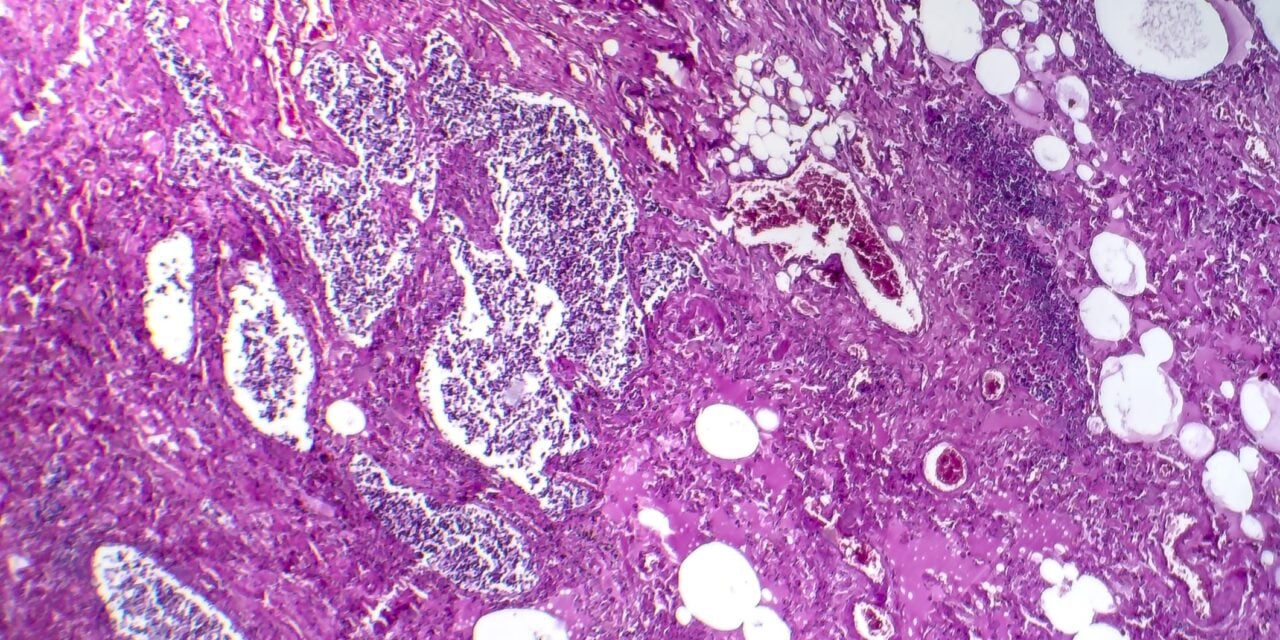
Pre-screening routinely generated H&E slides with AI algorithms is designed to help clinical teams prioritize downstream testing workflows, increase the proportion of eligible patients receiving biomarker testing, accelerate time to actionable results, and preserve limited biopsy specimens.
The pre-screening panel remains in development and is not intended to replace established molecular or immunohistochemistry testing. Instead, the model is being evaluated to guide diagnostic sequencing and prioritize secondary confirmatory assays.
Broader Diagnostic AI Development
The NSCLC analysis contributes to a larger portfolio of AI-driven biomarker prediction tools under development at Tempus. These include Paige Predict, which analyzes H&E whole slide images to evaluate the likelihood of 123 biomarkers across multiple tumor types when tissue volume is insufficient for sequencing.
The company also offers Tempus Preview, a tool that generates early predictions of clinically relevant biomarkers approximately 24 hours after sample receipt in the clinical laboratory.
ID 130899624 © Katerynakon | Dreamstime.com