The De Novo authorization expands Roche’s clinical mass spectrometry menu into therapeutic drug monitoring, with plans to add up to 22 more assays.
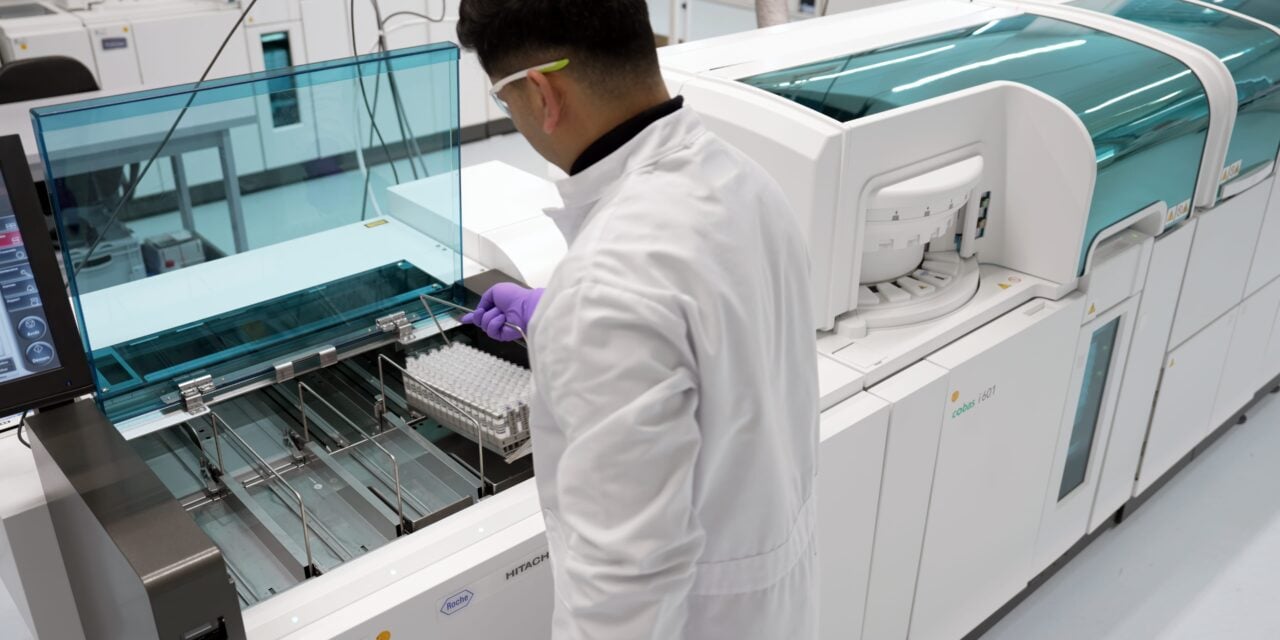
The US Food and Drug Administration (FDA) has granted De Novo authorization for Roche’s cobas pro i 601 platform and Ionify Gabapentin assay, both components of the company’s cobas mass spec solution, Roche announced.
The solution pairs mass spectrometry with an automated, standardized workflow intended for routine clinical laboratories. The Gabapentin assay extends Roche’s diagnostic menu into therapeutic drug monitoring.
Mass spectrometry is widely used for applications that demand highly sensitive and specific measurement, but traditional methods often require specialized personnel and complex manual workflows, according to Roche. The company says it aims to move the technology from specialized reference facilities into the core laboratory.
“Some of the best diagnostic technologies are often very complex and, in the end, don’t actually reach patients,” says Dan Malarek, president and CEO of Roche Diagnostics North America, in a release. He says automating and standardizing mass spectrometry will help make sophisticated testing more accessible to laboratories, clinicians, and patients.
Menu Expansion Plans
With the Gabapentin assay, Roche’s US mass spectrometry menu now includes a therapeutic drug monitoring application alongside 25-hydroxy vitamin D total and steroid hormone assays, such as estradiol and 17-hydroxyprogesterone. Roche says it continues to develop additional clinical mass spectrometry assays.
To speed future menu growth, Roche will use a predetermined change control plan developed in collaboration with the FDA. The authorized plan allows for the addition of up to 22 Ionify assays on the cobas pro i 601 platform as the plan’s requirements are met. Roche notes that these additional assays are not yet available and will be introduced as applicable requirements are fulfilled.
Photo caption: Roche’s cobas pro i 601 platform
Photo credit: Roche