The LipidLibrarian platform integrates fragmented data from multiple international databases to support diagnostic marker identification.
Researchers at the TUD Dresden University of Technology, in collaboration with the University of Vienna, the Technical University of Munich, and Heidelberg University, have developed LipidLibrarian, an open-source tool designed to simplify lipid research. The platform enables the automated consolidation of fragmented data from international lipid databases, including LIPID MAPS, SwissLipids, and ALEX123, into a single interface.
A study detailing the platform’s functionality and potential was published in the Journal of Lipid Research. The tool aims to help researchers identify diagnostic markers more efficiently and support the development of personalized therapies and medicines.
Lipids, or fats, are essential molecules that influence energy storage, brain health, and the progression of diseases such as diabetes, cardiovascular conditions, and neurological disorders. Historically, comparing information across databases has been time-consuming because lipids are often structured and named differently in various systems.
“When analyzing lipids, researchers often switch back and forth between research databases. However, since lipids are named differently in various databases, it is not always possible to reliably find the same lipid. This makes analysis significantly more difficult and time-consuming. LipidLibrarian solves this issue by automatically collecting and displaying information from different databases,” says Felix Niedermaier, lead developer of LipidLibrarian and researcher at the Institute of Analytical Chemistry at the University of Vienna, in a release.
Platform Features and Clinical Application
LipidLibrarian allows users to search for lipids by name, molecular mass, or scientific code. The platform provides organized results that include all source references. Because the source code and data are freely accessible, the tool is intended to foster international collaboration and future developments in the field of lipidomics.
The system is currently in use at Dresden University Hospital to perform high-throughput lipid analyses. It integrates molecular properties and functions from various sources, which researchers say increases reproducibility in clinical projects investigating lipid profiles as potential biomarkers.
“With LipidLibrarian, we have created a tool that many researchers have long been wishing for. By bringing fragmented data together on a single platform, it saves valuable time and makes it easier to see how different molecules interact in disease processes. This allows disease mechanisms to be identified more quickly and accurately, and enables the exploration and development of new, more precise therapeutic approaches,” says Dr Josch Pauling, initiator and project leader of LipidLibrarian and research group leader at the Institute of Clinical Chemistry and Laboratory Medicine at the University Hospital Dresden, in a release.
According to the research team, the platform contributes to a data-driven research infrastructure that emphasizes transparency and international cooperation.
“Today’s data-driven research must be transparent, reproducible, and international. LipidLibrarian is a prime example of this. With this software, our researchers are contributing to an infrastructure that extends beyond a single project and lays the foundation for future innovations,” says Esther Troost, dean of the TUD Faculty of Medicine, in a release.
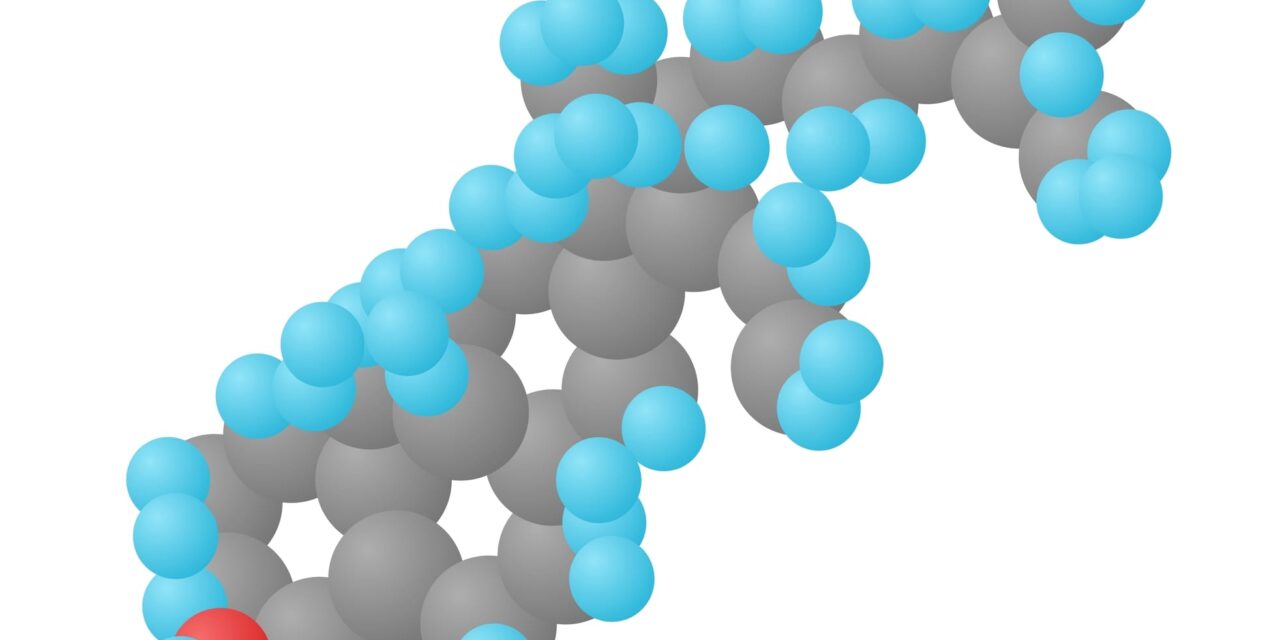
ID 30002604 © Teichman | Dreamstime.com