The battery-powered device aims to provide molecular testing in clinical and field settings for under $5 per test.
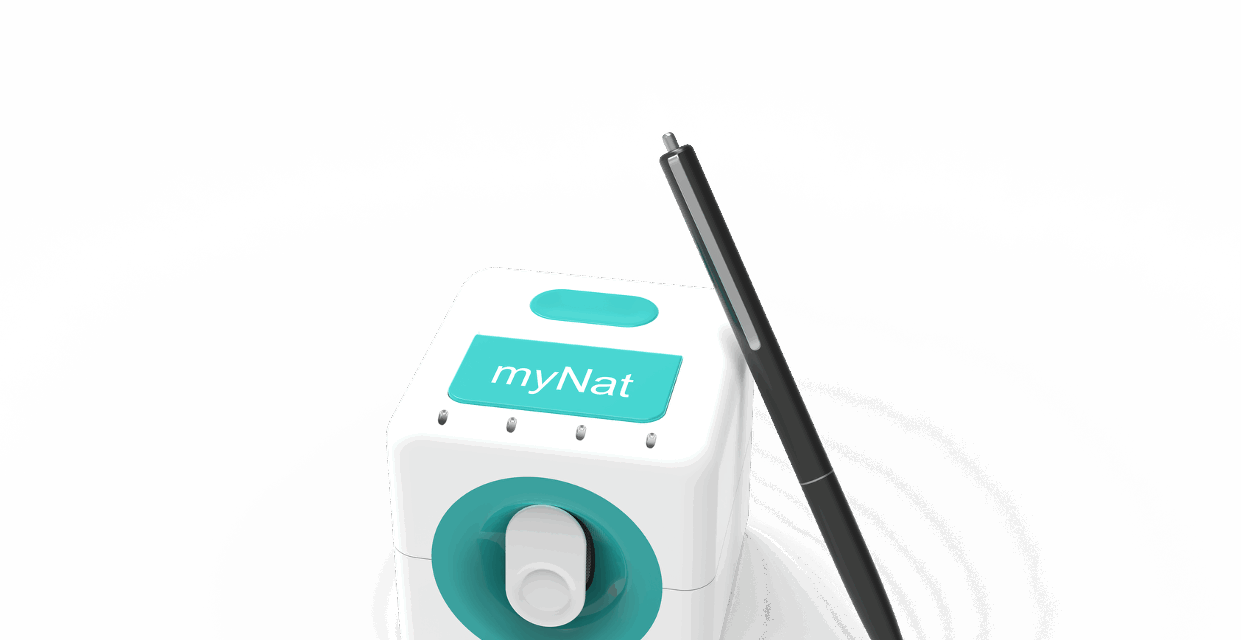
OnsiteGene introduced myNAT, a handheld, battery-powered real-time polymerase chain reaction (PCR) instrument, at the 2026 Association for Diagnostics & Laboratory Medicine meeting. The device performs a 40-cycle quantitative PCR run in under 10 minutes and weighs 350 grams, according to the company.
The instrument is designed to make molecular testing viable in clinics, field settings, and other environments that conventional laboratory instruments cannot economically reach. OnsiteGene has set a target price of under $1,000 per unit and a target cost of under $5 per test including reagents, according to a press release from the company.
“The barrier to molecular testing outside the laboratory has never really been the science—it has been cost, size, and complexity,” says Yanhui Liu, PhD, CEO of OnsiteGene, in a release. “myNAT is our answer to all three. We have taken laboratory-grade real-time PCR and put it in your hand, at a price that opens testing to settings that have been priced out of molecular diagnostics entirely.”
The myNAT system provides six optical channels and melting curve analysis, which enables amplicon confirmation and the discrimination of multiple targets within a single channel. A single touchpad terminal can coordinate up to eight units in parallel, allowing a laboratory to process eight samples within the same 10-minute window or to run panels by scaling units. Because the system is an open platform, laboratories can migrate their own real-time PCR assays onto it directly, the company says.
For sample preparation, the instrument is complemented by Xlyser, a handheld ultrasound lysis device that converts a raw sample into PCR-ready material in approximately one minute without a centrifuge. Used together, the two devices form a sample-to-answer workflow of roughly 12 minutes that requires no laboratory infrastructure, no cold chain, and full pathogen inactivation, according to the release.
The device is currently in development and is for research use only. It has not been cleared or approved for diagnostic use by the Food and Drug Administration. OnsiteGene expects instruments to be available for third-party validation at the end of September 2026.
Photo caption: myNAT
Photo credit: OnsiteGeneP