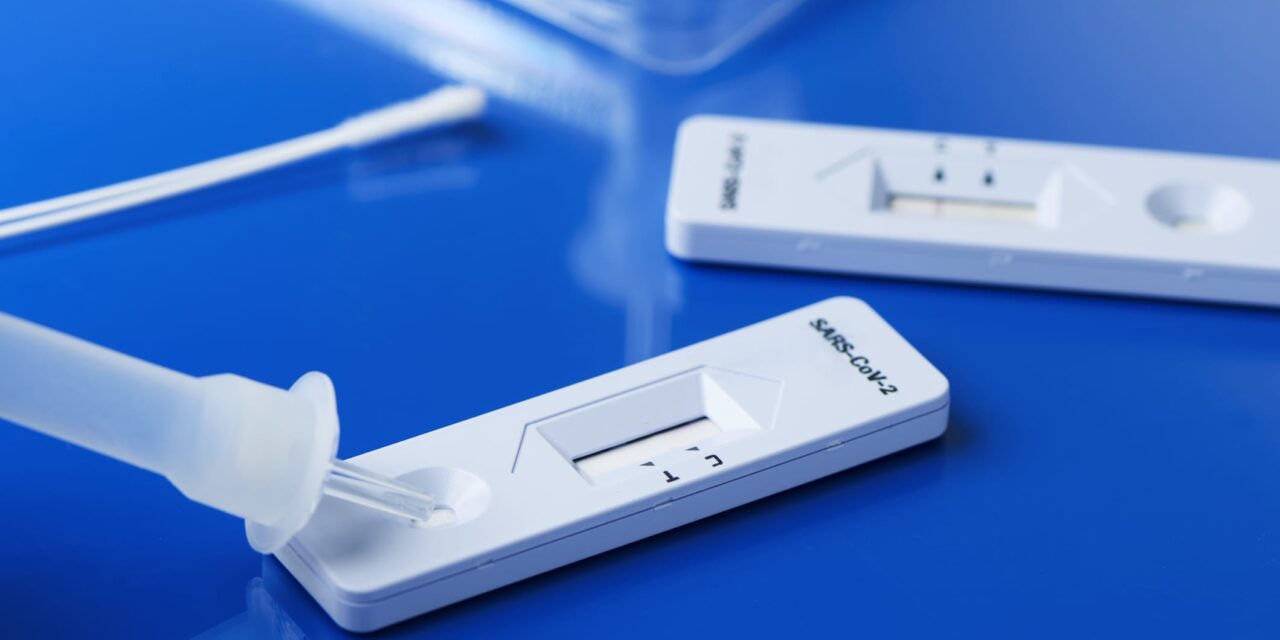
The tests mark the first rapid antigen diagnostics to achieve WHO prequalification status for SARS-CoV-2 detection.
The World Health Organization (WHO) announced the prequalification of two rapid antigen diagnostic tests for SARS-CoV-2: the SD Biosensor STANDARD Q COVID-19 Ag Test and the ACON Biotech Flowflex SARS-CoV-2 Antigen Rapid Test (self-testing).
This represents the first time that rapid antigen tests for SARS-CoV-2 have received WHO prequalification, building on earlier regulatory milestones when these products were listed under WHO’s Emergency Use Listing (EUL), according to a release from WHO. The SD Biosensor test became the first rapid antigen test listed under WHO’s EUL in September 2020, enabling deployment across more than 100 countries during the pandemic.
The WHO prequalification provides long-term quality assurance, confirming the products meet WHO standards for quality, safety, and performance. The designation makes these tests eligible for procurement by United Nations agencies, global health partners, and countries, expanding access to rapid diagnostic tests in low- and middle-income countries.
Continued Need for Accessible Testing
Two and a half years after WHO announced the end of the emergency phase of COVID-19, the virus continues to circulate worldwide. Current evidence indicates relatively stable trends of SARS-CoV-2 activity, but the need for affordable, accurate diagnostic tools remains strong, particularly in lower-income countries where access to laboratory testing is limited.
The tests can be prioritized in pooled procurement initiatives aimed at reducing prices and improving supply stability in low- and middle-income countries, helping countries overcome barriers to accessing high-quality diagnostic tests due to cost, supply, and regulatory constraints.
Strategic Testing Applications
WHO’s broader diagnostics strategy highlights the ongoing need for decentralized, quality-assured testing as part of universal health coverage and global health security efforts. Rapid antigen testing remains essential for various clinical and public health applications.
The WHO Prequalification programme has been crucial in speeding up access to health products in low- and middle-income countries by assessing their quality, safety, and effectiveness. It enables multilateral organizations to purchase quality-assured medicines, vaccines, diagnostic tools, and vector control products, while providing guidance to developing regulatory authorities that may not have the resources to perform their own evaluations.
Through its Emergency Use Listing, WHO prequalification conducts risk-based assessments of products during public health emergencies of international concern to meet urgent public health needs.
ID 208148025 © Juan Moyano | Dreamstime.com