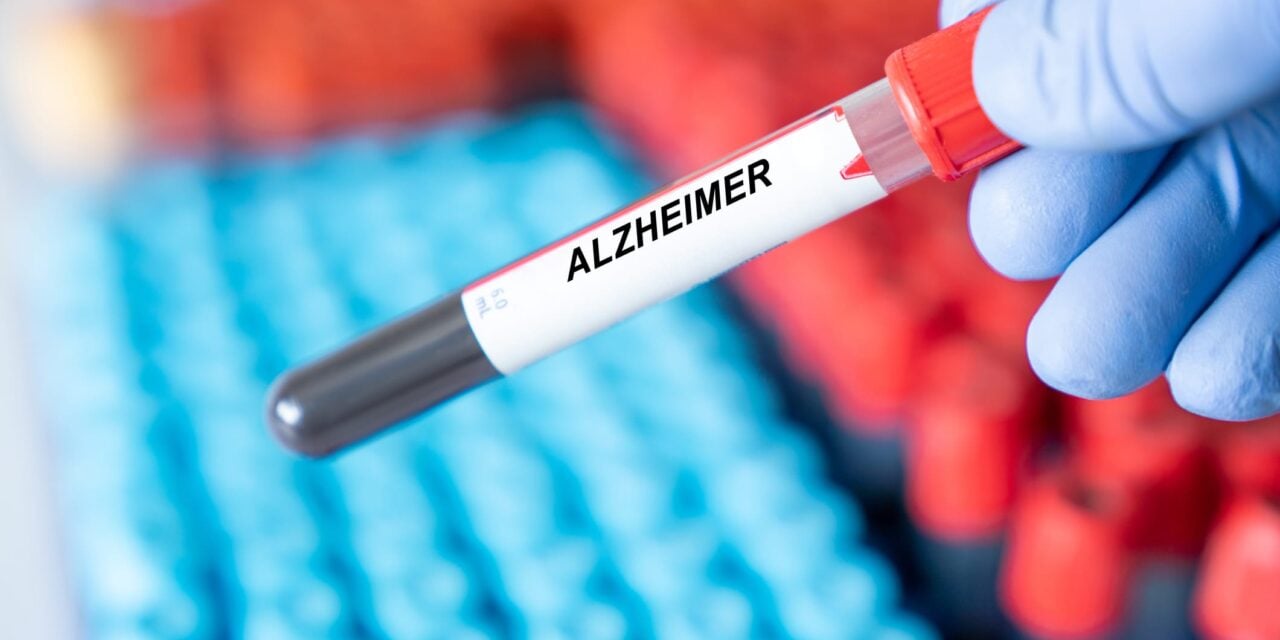
The new funding brings the initiative’s total to $150 million and will focus on tau pathology, multi-marker panels, and AI-driven diagnostics.
The Alzheimer’s Drug Discovery Foundation (ADDF) has announced the launch of the third phase of its Diagnostics Accelerator (DxA), backed by an additional $50 million in funding that brings the initiative’s total investment to $150 million. The new phase will focus on advancing next-generation biomarkers—including blood tests for tau and other co-pathologies, integrated multi-marker panels, and AI-driven tools—to support drug development, enable combination therapies, and advance precision medicine for Alzheimer’s disease.
Originally launched in 2018 with support from ADDF co-founder Leonard A. Lauder and Bill Gates, the DxA was created to address a critical funding gap in scalable Alzheimer’s biomarkers. The third phase includes renewed commitments from the initiative’s initial funders, as well as Biogen, the Dolby family, Eli Lilly and Company, and the Shanahan Family Foundation, along with new support from the JTMF Foundation and the Robertson Foundation.
“The DxA has played a pivotal role in advancing Alzheimer’s blood tests from early promise to clinical practice,” says Niranjan Bose, managing director, Health and Life Sciences at Gates Ventures, in a release. “To keep pace with a rapidly evolving therapeutic pipeline, we need next-generation diagnostics that go beyond identifying amyloid pathology to addressing tau pathology, co-pathologies, and novel mechanisms of aging.”
From Amyloid to a Broader Biomarker Landscape
Since its founding, the DxA has invested $100 million across 76 programs worldwide. A key milestone came in 2025, when DxA-funded Fujirebio received the first-ever Food and Drug Administration (FDA) approval for an Alzheimer’s blood test. The initiative has also invested in C2N Diagnostics to scale its highly sensitive assay and in Alamar Biosciences to advance its ultra-sensitive NULISA platform, which enables detection of a broad range of blood-based biomarkers.
These blood tests offer the opportunity to replace more invasive and costly diagnostic tools such as PET scans and spinal taps, according to the ADDF, streamlining both clinical diagnosis and clinical trial enrollment.
With multiple FDA-approved amyloid blood tests now available, the DxA’s third phase turns its attention to what the ADDF describes as the next critical gap: developing tools that capture the full pathological and biological complexity of Alzheimer’s and related dementias. The initiative will move beyond single-analyte diagnostics toward integrated multi-marker panels that can support therapies targeting multiple disease drivers simultaneously.
“Changing the trajectory of Alzheimer’s disease will require earlier detection and intervention, and that progress depends on therapeutic and diagnostic innovation advancing together,” says Rachid Izzar, executive vice president of global product strategy and commercialization at Biogen and ADDF board member, in a release. “Biogen is proud to continue supporting the ADDF Diagnostics Accelerator through DxA 3.0, advancing the biomarkers and diagnostic tools needed for earlier, more precise detection.”
AI and Digital Biomarkers Enter the Picture
Beyond blood-based markers, the DxA’s SpeechDx program is building one of the largest longitudinal speech datasets in Alzheimer’s research to power AI-driven detection and prediction of cognitive decline. According to the ADDF, programs like SpeechDx are helping establish the foundation for real-time monitoring of cognitive health—a development the foundation says is essential for individualized treatment strategies.
“At the ADDF, we have always known biomarkers would be the key to developing the drugs and prevention protocols necessary to stop Alzheimer’s in its tracks,” says Howard Fillit, MD, co-founder and chief science officer of the ADDF, in a release. “With this next phase, we are expanding our vision to develop a new generation of tools that will unlock combination therapies and precision medicine for Alzheimer’s, the same approach that has proven successful in cancer treatment.”
ID 272666856 © Luchschen | Dreamstime.com