
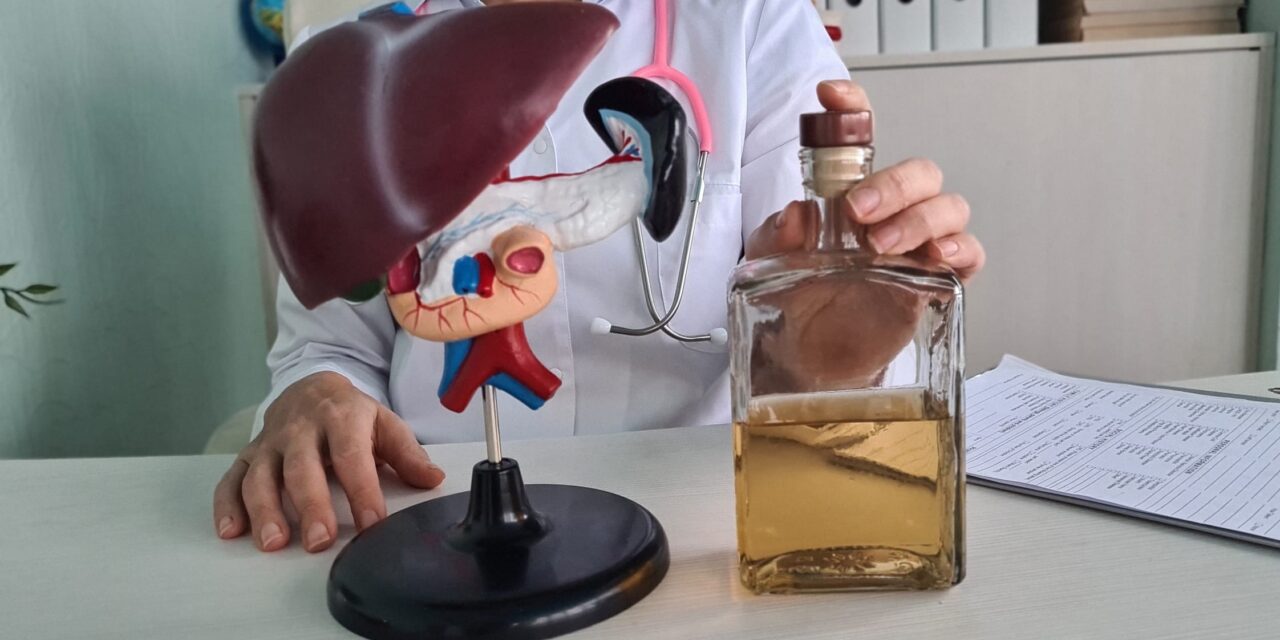
The MAPI score uses five standard lab values to help clinicians determine when liver injury is driven by alcohol rather than metabolic factors.
Researchers at University of California San Diego School of Medicine have developed a blood test score that can identify when fatty liver disease is being driven by excessive alcohol use, a distinction that often goes unrecognized in routine care.
The study results, published in the February 25, 2026 online edition of Gastroenterology, found that the new blood test score could help clinicians determine when liver injury is likely driven by alcohol rather than metabolic factors, providing clearer guidance on when additional alcohol testing may be needed.
The tool, called the MetALD-ALD Prediction Index (MAPI), uses five standard lab values that are already collected during most primary care and liver clinic visits. With this information, the score can estimate whether a person with fatty liver disease may have alcohol-related liver injury, even when alcohol use is underreported by the patient.
“This new score gives clinicians a simple and accessible way to uncover hidden alcohol-related liver injury,” says Rohit Loomba, MD, senior author of the study, professor of medicine at UC San Diego School of Medicine and gastroenterologist and hepatologist at UC San Diego Health, in a release. “By improving how we classify liver disease, we can help patients achieve better long-term health outcomes.”
Study Validates Score Across Multiple Populations
The study analyzed more than 500 adults in the San Diego region and about 1,800 individuals in Sweden, showing that MAPI outperformed commonly used blood tests and could help determine when more advanced alcohol testing is needed.
Fatty liver disease affects nearly one in three adults worldwide and has multiple causes. Many patients have metabolic drivers, such as obesity or diabetes, while others have liver injury caused or worsened by alcohol consumption. Because people often underreport drinking due to stigma or fear, health care providers may miss the role alcohol plays in disease progression.
The research team emphasized that while the most accurate alcohol test, called phosphatidylethanol (PEth), is highly reliable, it can be costly or unavailable in many settings. MAPI helps clinicians identify when PEth testing is necessary, making liver disease evaluation more accessible.
Immediate Implementation Possible
The tool could be especially helpful in primary care settings, where most cases of fatty liver disease are first identified. It may also improve patient counseling by offering a clearer understanding of their condition.
“Our goal was to build something practical,” says study first author Federica Tavaglione, MD, PhD, in a release. “These lab values are already part of standard care, so MAPI can be implemented immediately without adding cost or complexity for clinics.”
Researchers are hoping to use MAPI in large observational studies and future clinical trials to expand its potential to improve liver disease detection and patient care on a broader scale.
The study was conducted at the UC San Diego MASLD Research Center, which is recognized for its leadership in metabolic and alcohol-associated liver disease research.
ID 308141135 © Nadzeya Haroshka | Dreamstime.com