A study of 60,449 lab results found that using broader screening thresholds doubled detection rates of primary aldosteronism compared to Endocrine Society guidelines, according to research in Hypertension.
Current clinical practice guidelines may inadvertently leave half of all patients with primary aldosteronism undiagnosed, according to a retrospective study conducted by researchers from Quest Diagnostics, Mass General Brigham, Harvard Medical School, and the University of Texas Southwestern Medical School.
The study, published in the American Heart Association journal Hypertension, evaluated deidentified clinical laboratory test results from over 60,449 patients across the US. The investigators found that applying broader, more permissive laboratory screening thresholds doubled the primary aldosteronism detection rate compared to the criteria recommended in recent clinical guidance.
Primary aldosteronism occurs when the adrenal glands produce excess aldosterone, a hormone that regulates sodium and potassium levels. The condition is a major driver of secondary hypertension and significantly elevates long-term risks for stroke, heart attack, and kidney disease when untreated.
Comparing Guideline Cutoffs to Permissive Criteria
In 2025, the Endocrine Society issued clinical guidelines recommending PA screening for all hypertensive patients and introduced diagnostic criteria pairing plasma renin activity (PRA) as an initial screen with specific hormone thresholds. The Endocrine Society criteria define a positive screen as PRA ≤1 ng/mL/h, aldosterone levels ≥7.5 ng/dL, and an aldosterone-to-renin ratio (ARR) > 15.
When researchers applied these 2025 criteria to the patient cohort, 13.0% were classified as positive for PA. However, when using a permissive set of criteria—defined as PRA ≤1 ng/mL/h and aldosterone levels >5 ng/dL, without requiring an ARR cutoff—the positivity rate reached 26.2%.
According to the study, 79.0% of the additional patients identified by the permissive thresholds were missed by the Endocrine Society guidelines because their aldosterone levels fell between 5 and 7.5 ng/dL. Approximately one in five additional patients met the guideline cutoff for aldosterone concentration but failed to reach the ARR cutoff.
“Our findings demonstrate that current international clinical guidelines for diagnosing primary aldosteronism are optimized to identify advanced disease but may be less sensitive for earlier or milder forms of [primary aldosteronism],” says Marco Marcelli, MD, a board-certified endocrinologist and medical director at Quest Diagnostics, in a release. “Some patients with [primary aldosteronism] spend years on a diagnostic journey before learning their hypertension, headaches and other symptoms are due to a highly treatable condition. More expansive screening and diagnostic criteria may help the medical community to quickly identify these individuals hiding in plain sight before irreversible heart damage and other adverse outcomes have occurred.”
Clinical Correlates and Spectrum of Disease
The study noted that clinical diagnoses consistent with primary aldosteronism—including hypertension, hypokalemia, and atrial fibrillation—were enriched among patients categorized as positive under the more permissive cutoffs.
Among patients identified through the permissive criteria, a PRA score below 0.5 ng/mL/h was associated with 1.27 times higher odds of having hypertension compared to those with higher PRA levels (P < 0.0001). Furthermore, individuals with a PRA score below 0.25 ng/mL/h demonstrated 2.62 times higher odds of having atrial fibrillation (P = 0.0032).
The authors noted that the findings support viewing primary aldosteronism as a biological spectrum rather than a strictly binary positive-or-negative diagnosis. Adopting earlier detection thresholds in clinical laboratories could enable earlier medical interventions and potentially reduce long-term cardiovascular damage.
While the study was strengthened by a large national patient cohort, the researchers highlighted key limitations, including its retrospective analysis and the absence of confirmatory suppression testing.
High blood pressure affects nearly 120 million adults in the US. Primary aldosteronism has historically been considered an uncommon etiology affecting roughly 5% to 10% of hypertensive individuals, but the study authors indicated that up to 25% to 30% of hypertensive patients could ultimately be diagnosed with primary aldosteronism if permissive thresholds are validated in future prospective studies.
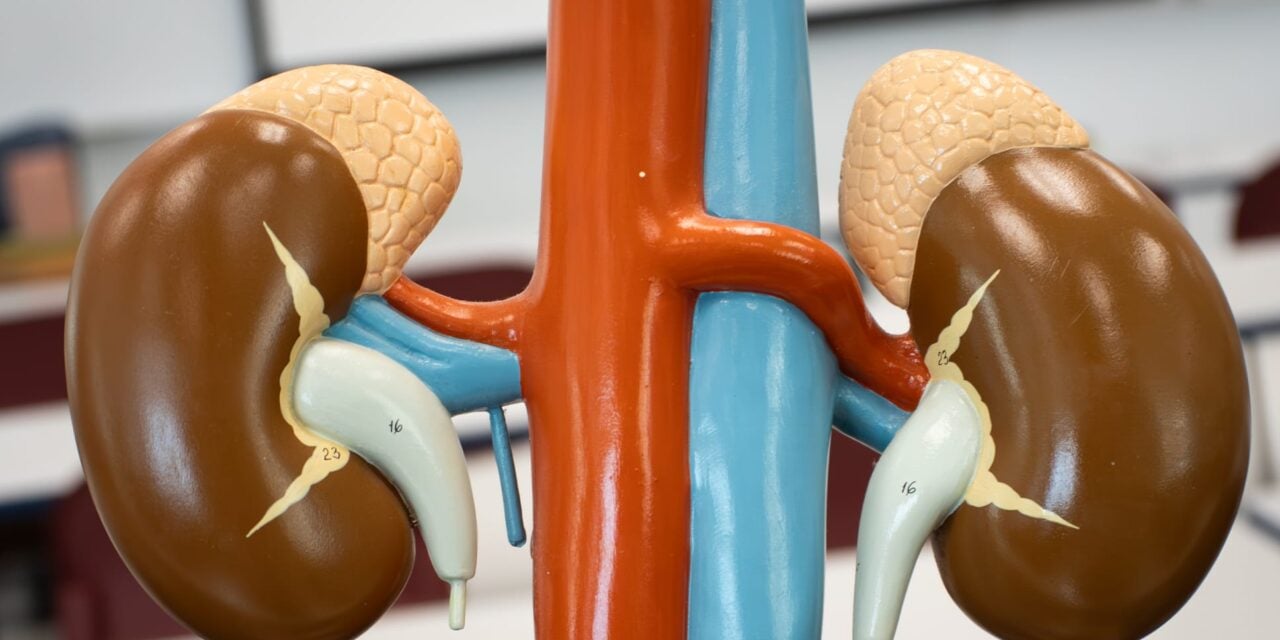
ID 395397343 | Adrenal © Dr Wd | Dreamstime.com