
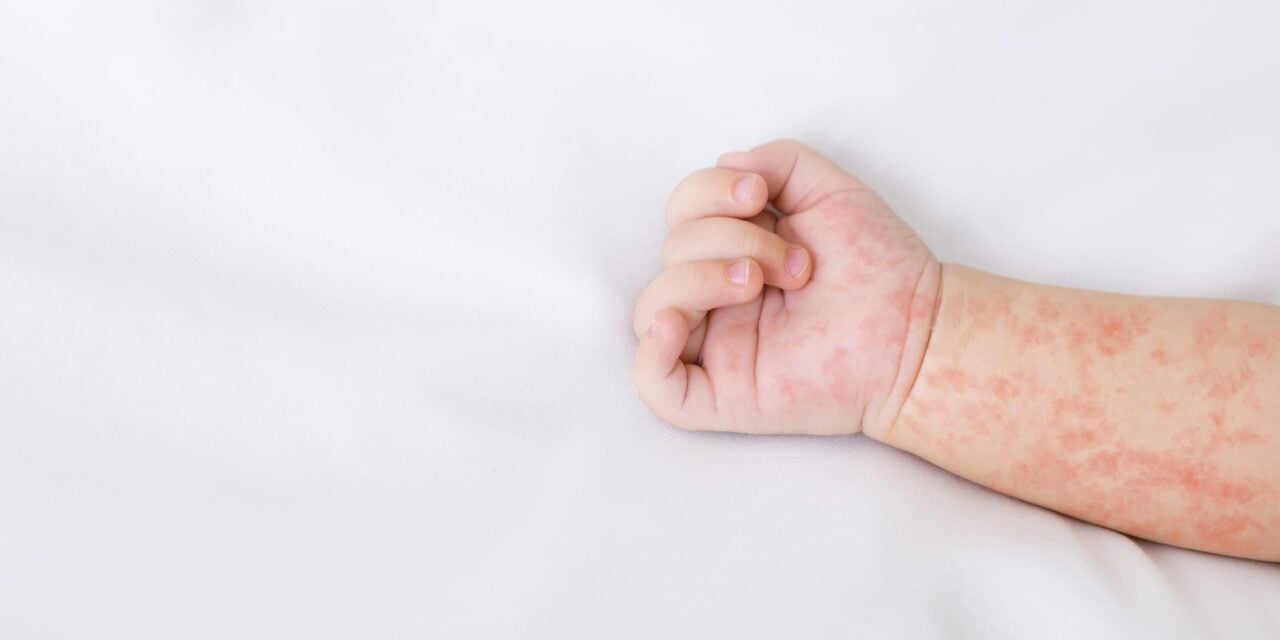
The Pan American Health Organization says continuous transmission has reestablished endemic measles, putting more weight on laboratory testing and surveillance.
The United States has lost its measles elimination status, ending a public health achievement first established in 2000. The Pan American Health Organization made the determination after reviewing epidemiological and laboratory evidence indicating that measles transmission has continued uninterrupted for at least 12 months.
The decision means endemic measles transmission has been reestablished in the US. The College of American Pathologists says the loss highlights the ongoing challenge of containing outbreaks of the highly contagious virus and preventing further spread.
“Losing measles elimination status is a significant public health setback and a reminder that sustained efforts are needed to prevent and control infectious diseases,” says Qihui “Jim” Zhai, MD, president of the College of American Pathologists, in a release. “Laboratories play an essential role in identifying measles infections, supporting public health surveillance, and helping health officials understand and respond to outbreaks. Accurate, timely testing is essential to those efforts.”
Testing Moves In-House
Clinical diagnosis and laboratory testing are critical components of measles surveillance and outbreak response. Molecular testing can detect the measles virus and provide information that helps public health officials investigate cases and track transmission.
According to the college, more laboratories have brought molecular testing in-house as measles cases have increased, helping patients and physicians receive results more quickly. Reliable testing is especially important during outbreaks, when timely identification of new cases can inform public health response efforts.
To support laboratory readiness, the college offers a Measles, Mumps, Rubella and Varicella-Zoster Virus Molecular Proficiency Testing program. The measles component includes both wild-type and vaccine-strain material, helping laboratories assess their ability to distinguish between the two. The program is designed to help laboratories evaluate their testing performance and build confidence in delivering accurate results when needed.
The college says continued measles prevention, surveillance, and laboratory preparedness are critical to limiting further spread, and that strong diagnostic capabilities and public health response systems remain essential to identifying cases and protecting communities.