Longitudinal monitoring of a specific blood biomarker may help identify organ injury before kidney function declines.
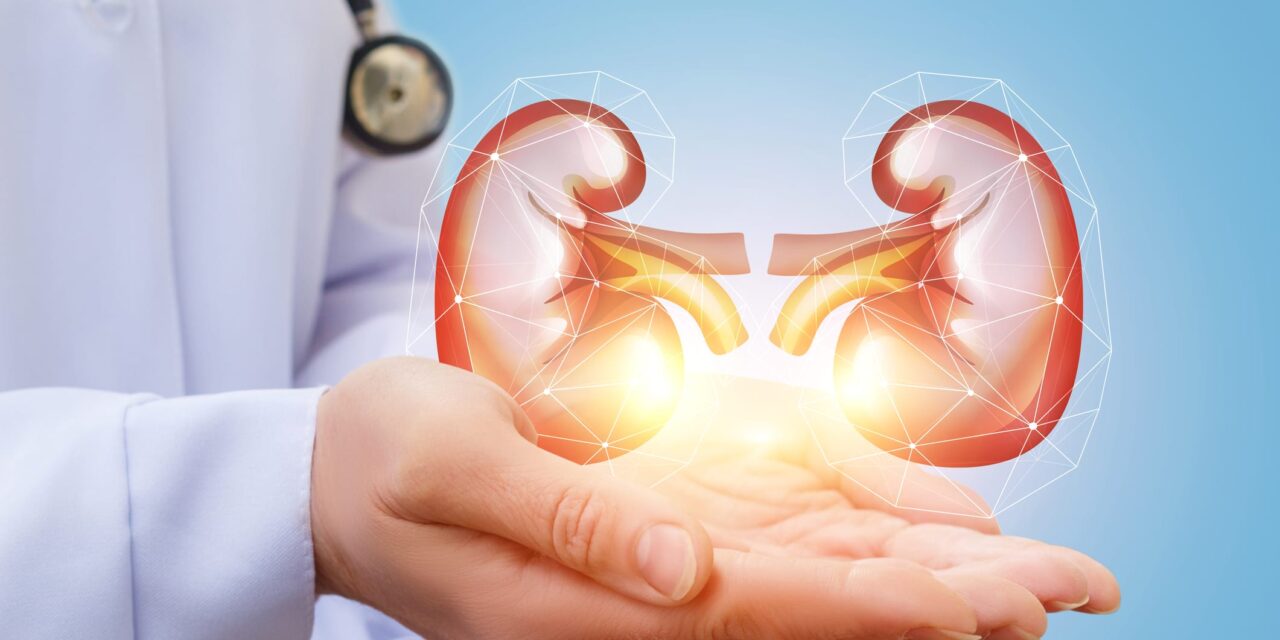
A new analysis published in the Journal of the American Society of Nephrology (JASN) suggests that elevations in donor-derived cell-free DNA (dd-cfDNA) are associated with an increased risk of organ dysfunction and graft loss in kidney transplant recipients.
The study analyzed data from the Kidney Allograft Outcomes AlloSure Registry (KOAR), a multi-center study involving 1,258 adult patients across 56 US centers. Researchers evaluated the relationship between AlloSure Kidney dd-cfDNA levels and three-year outcomes using a modeling framework to assess how changes over time relate to graft health.
According to the findings, transitions to elevated levels of the biomarker were associated with a 3.7-fold higher hazard of graft loss for intermediate states and a 6.4-fold higher hazard for high states. Approximately 36% of patients experienced an elevation during the follow-up period, transitioning from low to higher-risk states.
“This analysis from the KOAR registry shows that elevations in dd-cfDNA are associated with meaningful differences in long-term allograft outcomes,” says Jeffrey A. Klein, MD, division of nephrology at the University of Kansas, in a release. “Importantly, we observed that many of these elevations occur while kidney function remains preserved, highlighting the potential for dd-cfDNA to provide earlier insight into allograft injury and help inform patient management.”
The study found that most elevations occurred while kidney function remained preserved, demonstrating the ability to detect subclinical injury prior to a measurable decline in estimated glomerular filtration rate (eGFR). Patients who maintained persistently low levels of the biomarker experienced favorable outcomes, including low rates of rejection, dysfunction, and graft loss over the three-year period.
“The KOAR registry continues to provide important real-world evidence on how dd-cfDNA can be used in clinical practice,” says Jonathan S. Bromberg, MD, PhD, professor of surgery at the University of Maryland School of Medicine, in a release. “These findings suggest that tracking dd-cfDNA over time may offer a useful framework for risk stratification and longitudinal surveillance in kidney transplant recipients.”
The results extend the body of evidence supporting the use of dd-cfDNA as a clinically meaningful biomarker in transplantation.
“By enabling earlier identification of changes in allograft status, AlloSure may help clinicians assess risk over time and support more personalized patient management,” says Jeffrey Teuteberg, MD, chief medical officer of CareDx, in a release.