A clinical laboratory manager describes how shifting from open cups to a closed collection system changed specimen handling, safety, and efficiency.
By Alyx Arnett
Urine testing is routine in clinical laboratories, but variability in how specimens are collected and handled can introduce challenges that affect both workflow and result quality.
At Middlesex Health, those issues became increasingly visible, according to David Taranto, clinical laboratory manager. “Testing with urine specimens may seem routine, but many challenges persist,” Taranto says.
Variability in Collection Created Downstream Issues
Taranto says inconsistencies in collection—particularly when specimens are obtained outside the lab—led to problems including variable fill volumes, contamination risk, and recollection.
“Variability in how specimens are collected, especially when collection happens outside the lab, can lead to inconsistent fill volumes, contamination risk, and the need for recollection,” he says.
Container choice also affected operations. According to Taranto, open-cup specimens sometimes leaked during transport through the hospital’s pneumatic tube system.
“If a sample leaks within that system … the entire system had be shut down and disinfected before resuming operations,” he says, noting the impact on turnaround time, staff workload, and patient experience.
Shift to a Closed Collection System
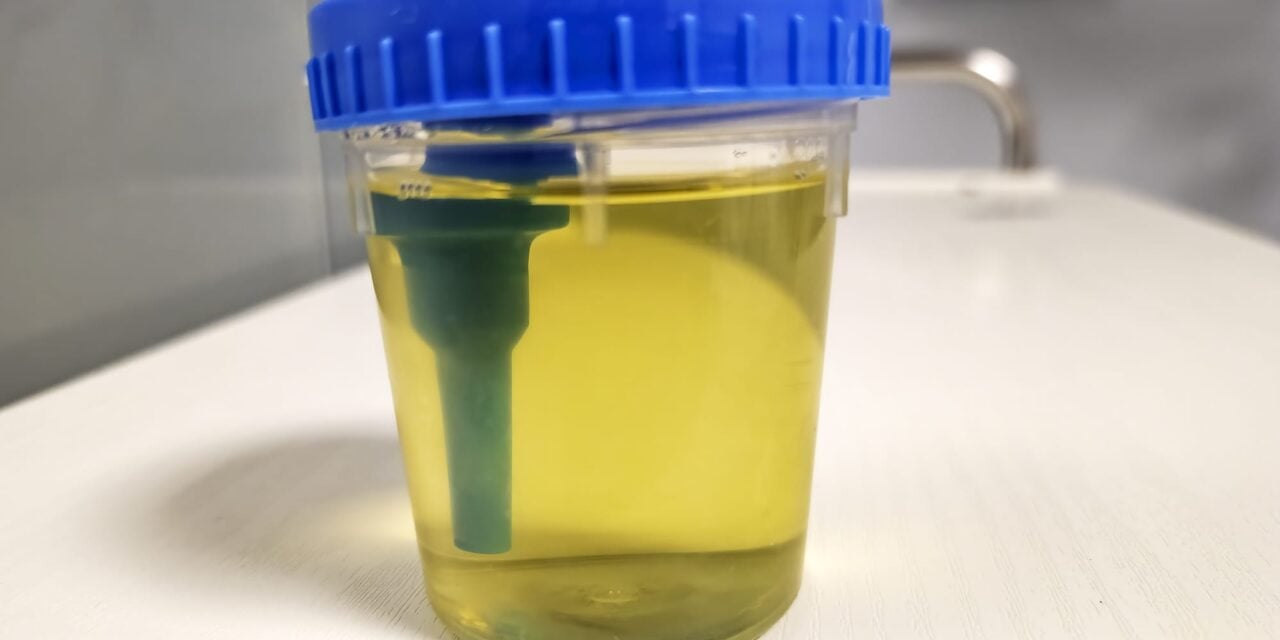
To address these issues, the lab standardized urine collection using closed, integrated systems, including the BD Vacutainer Urine Complete Cup Kit, which uses a multi-tube format to support different testing needs from a single specimen.
According to BD, the system is designed to reduce contamination risk and limit the need for manual transfers by allowing specimens to move directly from collection into sealed tubes.
Taranto says the change reduced variability at the point of collection and simplified processing in the lab.
“Now, the vast majority of samples our lab receives arrive in sealed tubes that better represent what’s happening in the patient,” he says.
The shift also removed several manual steps.
“With open container collection, urine specimens may require multiple manual steps—pouring, transferring, relabeling—each step introduces opportunities for delays or errors,” Taranto says.
Fewer Manual Steps, Fewer Disruptions
By eliminating manual transfers, the lab reduced hands-on processing and avoided tasks such as relabeling.
“Working with tubes instead of cups has also meant that our techs no longer need to take time away from higher-value tasks to manually transfer samples,” Taranto says.
He adds that leaks and spills—previously an operational concern—are no longer an issue with sealed tubes.
Impact on Specimen Integrity and Storage
Taranto also points to improvements in specimen integrity, particularly for samples that may not be processed immediately.
“Personally, I feel more confident about the accuracy of the results from a sample that’s been in a grey-topped tube with the right preservative as opposed to a cup or other container,” he says.
Closed systems can also support safer transport and more consistent storage conditions, he notes, particularly in high-volume hospital environments where specimens move across multiple departments.
Ongoing Focus on Preanalytical Quality
The experience reflects a broader focus on improving the preanalytical phase of testing, where errors such as contamination can affect downstream results. BD reports that a recent study found nearly 44% of patients with contaminated urine cultures received inappropriate antibiotic therapy, underscoring the clinical impact of collection and handling practices.
For Taranto, standardization is part of a larger effort to reduce variability and support more consistent results.
“All of this means that we can get the right specimen to the right department more efficiently, helping us focus on doing what’s best for patients while supporting clinicians with reliable diagnostic information,” he says.
ID 410383667 © Fotocelia | Dreamstime.com