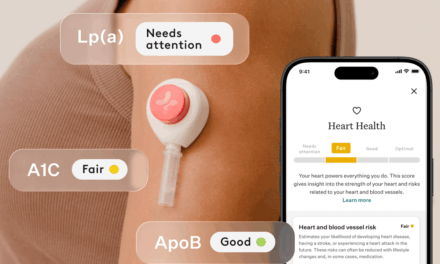
The new dyslipidemia guideline from 11 medical associations calls for earlier intervention and broader use of lipoprotein(a) and apolipoprotein B testing to refine cardiovascular risk assessment.
The American College of Cardiology (ACC) and the American Heart Association (AHA), along with nine other medical associations, have jointly issued an updated guideline for the management of dyslipidemia—abnormal levels of lipids or lipoproteins in the blood, including cholesterol and triglycerides. The document was published simultaneously in JACC and Circulation on March 13, 2026.
The guideline consolidates evidence-based recommendations for assessing and treating blood lipids to lower an individual’s risk of developing atherosclerotic cardiovascular disease (ASCVD), the leading cause of death globally. It is estimated that 1 in 4 US adults has high levels of low-density lipoprotein-cholesterol (LDL-C), which increases the risk of heart attack and stroke.
“We know 80% or more of cardiovascular disease is preventable and elevated LDL cholesterol, sometimes referred to as ‘bad’ cholesterol, is a major part of that risk,” says Roger Blumenthal, MD, chair of the guideline writing committee, director of the Johns Hopkins Ciccarone Center for the Prevention of Heart Disease, and the Kenneth J. Pollin Professor of Cardiology at Johns Hopkins Hospital in Baltimore, in a release. “While we want to try to optimize healthy lifestyle habits as the first step to lower cholesterol, we realize that if lipid numbers aren’t within the desirable range after a period of lifestyle optimization, we should consider adding lipid-lowering medication earlier than we would have considered 10 years ago.”
A New Risk Calculator Replaces Older Equations
A notable change in the updated guideline is the adoption of a newer cardiovascular disease risk calculator—Predicting Risk of Cardiovascular Disease EVENTs (PREVENT)—now recommended for primary prevention of ASCVD. The PREVENT-ASCVD equations are designed for adults ages 30–79 without known ASCVD or subclinical atherosclerosis and with LDL-C levels of 70–189 mg/dL, enabling estimation of 10- and 30-year risk of heart attack or stroke to guide lipid-lowering therapy decisions.
The guideline notes that older risk tools, such as the Pooled Cohort Equations, overestimated 10-year risk of heart attack and stroke by 40%–50%. The updated risk categories from PREVENT-ASCVD classify 10-year ASCVD risk as low (<3%), borderline (3% to <5%), intermediate (5% to <10%), and high (10% or higher).
“With this new assessment tool, we can better estimate cardiovascular risk using health information already obtained during an annual physical—cholesterol, blood pressure readings, and other personal information such as age and health habits—and then further personalize the risk score for each individual by looking at ‘risk enhancers,'” says Blumenthal, in a release.
Risk enhancers identified in the guideline include family history of heart disease; chronic inflammatory conditions such as lupus or rheumatoid arthritis; cardiometabolic conditions including overweight/obesity, diabetes, or chronic kidney disease; higher-risk ancestry groups; and reproductive risk markers such as early menopause, preeclampsia, and gestational diabetes.
Expanded Role for Biomarker Testing
Of particular relevance to clinical laboratorians, the guideline expands recommendations for specific biomarker tests to further refine ASCVD risk assessment beyond standard lipid panels.
Lipoprotein(a). The guideline recommends that lipoprotein(a) [Lp(a)] be measured at least once in adulthood. Lp(a) levels are largely genetically determined and remain relatively stable over a lifetime. High Lp(a)—defined as 125 nmol/L or greater, or 50 mg/dL or greater—is associated with approximately a 1.4-fold increased long-term risk of heart attack or stroke, while an Lp(a) of 250 nmol/L is associated with at least a twofold increased long-term risk. Because lifestyle changes minimally affect Lp(a) levels, repeat testing is generally not indicated.
Apolipoprotein B. Measuring apolipoprotein B (apoB) may be used to assess residual ASCVD risk and guide treatment among people with cardiovascular-kidney-metabolic syndrome, type 2 diabetes, high triglycerides, or known cardiovascular disease who have reached their LDL-C and non-HDL-C goals. The guideline notes that apoB may be a more accurate risk marker than LDL-C in these patient populations.
Additional markers that can be used to refine individual ASCVD risk include high-sensitivity C-reactive protein (hsCRP) and elevated triglycerides.
Coronary artery calcium scoring. The guideline also recommends selective use of non-contrast coronary artery calcium (CAC) scanning to detect subclinical plaque buildup when uncertainty about a patient’s true risk remains. It is recommended for men age 40 and older and women age 45 and older with borderline or intermediate 10-year risk, when knowing the CAC score would inform a statin prescribing decision.
“Having healthy LDL-cholesterol levels or high-density lipoprotein-cholesterol (HDL-C), traditionally thought of as ‘good’ cholesterol, isn’t necessarily a ‘get out of jail free’ card,” says Blumenthal, in a release. “Measuring other biomarkers can give a more complete picture of someone’s cardiovascular risk and help inform decisions about whether lipid-lowering therapy is needed sooner rather than later or if more intensive therapy is warranted.”
Updated LDL-C Target Goals
The guideline restores explicit LDL-C and non-HDL-C targets. For primary prevention of a first heart attack or stroke, the LDL-C goal is less than 100 mg/dL for those at borderline or intermediate risk and less than 70 mg/dL for those at high risk. For individuals with ASCVD at very high risk of events, the LDL-C goal for secondary prevention is less than 55 mg/dL.
“Clinical trials have clearly demonstrated significant benefits for reduction in cardiovascular events when LDL-C levels are even lower than recommended in previous guidelines,” says Pamela B. Morris, MD, vice-chair of the guideline writing committee, the Paul V. Palmer chair of cardiovascular disease prevention, and director of the Seinsheimer Cardiovascular Health Program at The Medical University of South Carolina, in a release.
When lifestyle changes and statin therapy are insufficient to achieve LDL-C targets, the guideline recommends the addition of non-statin therapies. Evidence-based options include ezetimibe, bempedoic acid, or a proprotein convertase subtilisin/kexin type 9 (PCSK9) monoclonal antibody. Inclisiran, another injectable option requiring less frequent dosing, is still being evaluated in clinical trials.
Special Populations and Pediatric Screening
The guideline outlines lipid management considerations for several specific populations, including adults age 40 or older with chronic kidney disease (stage 3 or higher), HIV, or type 1 or type 2 diabetes, for whom initiation of lipid-lowering therapy is recommended. It also advises continuing lipid-lowering therapy in patients being treated for cancer, unless contraindicated, and deferring most such therapies during conception, pregnancy, and lactation.
Notably, the guideline addresses pediatric risk as well. Cholesterol screening is recommended for all children between ages 9–11 not previously screened, recognizing that elevated cholesterol can begin to affect heart disease risk in childhood and adolescence.
“Implementation of this important new guideline by clinicians will be critical to reduce the burden of cardiovascular disease in the future,” says Morris, in a release. “Improved risk assessment tools with the PREVENT-ASCVD equations, selective use of CAC scoring and measurement of lipoprotein(a) allow us to personalize treatment of those individuals at increased risk.”
The guideline was developed in collaboration with and endorsed by the American Association of Cardiovascular and Pulmonary Rehabilitation, Association of Black Cardiologists, American College of Preventive Medicine, American Diabetes Association, American Geriatrics Society, American Pharmacists Association, American Society for Preventive Cardiology, National Lipid Association, and Preventive Cardiovascular Nurses Association.
ID 103404783 | Health © Jarun011 | Dreamstime.com