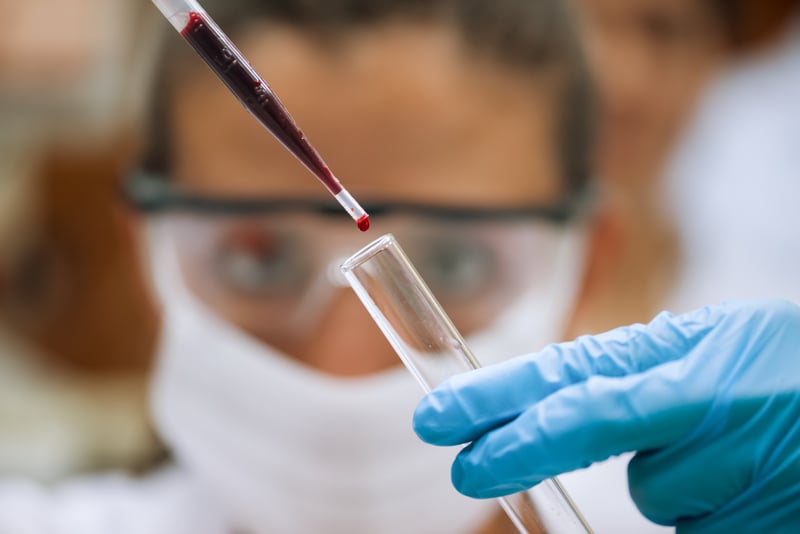
The method identifies immune system signals to find germ cell tumors missed by standard blood-based markers.
Mayo Clinic researchers developed a blood-based method that may help detect germ cell tumors, the most common type of testicular cancer, including cases that do not show up on standard blood tests, according to a study published in Nature Communications.
Testicular cancer most often affects adolescents and young adults and is highly treatable when found early. However, diagnosis can be challenging when tumors do not produce enough of the standard blood-based substances, known as tumor markers, to be detected by current tests.
To address this, researchers used a method that analyzes thousands of immune system signals in the blood at once. Using this approach, they developed a new test called GCT-iSIGN. In a study of 427 blood samples, the test identified 93% of individuals who had germ cell tumors and correctly ruled out cancer in 99% of people who did not. The test also detected 23 of 24 cases that standard blood tests missed.
Researchers also developed a second test, called Sem-iSIGN, designed to distinguish between two main types of testicular cancer. This distinction is significant for clinical practice because each type can require a different treatment approach.
The findings build on earlier work by the same research teams using immune profiling to identify biomarkers linked to paraneoplastic neurologic syndrome associated with testicular cancer, including KLHL11 IgG.
“When standard blood markers are negative, diagnosis and treatment planning can be delayed,” says Divyanshu Dubey, MBBS, senior and corresponding author of the study and a professor of laboratory medicine and pathology and a professor of neurology at Mayo Clinic, in a release. “Our findings show a promising path toward a more sensitive blood test approach, but additional studies are needed before it can be used routinely in patient care.”
Co-first authors of the study are M Bakri Hammami, MD, and Andrew M Knight, PhD. Funding for the research included support from the Department of Defense, as well as institutional and federal sources.
ID 451986918 © dotshock | Dreamstime.com