A multicenter, vignette-based study found that adding a rapid sepsis test result to standard clinical data changed or reinforced diagnostic decisions in 86% of cases.
A peer-reviewed study published in JACEP Open found that providing emergency department (ED) physicians with results from a rapid sepsis diagnostic was associated with improved diagnostic accuracy and confidence when evaluating patients for sepsis.
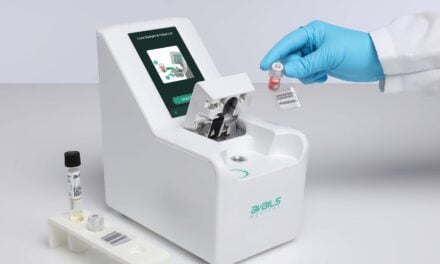
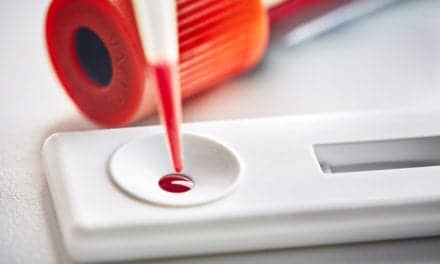
The multicenter, vignette-based analysis evaluated the clinical usability of IntelliSep, a Food and Drug Administration-cleared sepsis test developed by Cytovale that uses artificial intelligence and advanced microfluidics to assess the body’s dysregulated immune response to infection. The test delivers a risk stratification score within approximately eight minutes using a standard blood draw.
In the study, 52 physicians completed 1,040 case evaluations drawn from 100 patient vignettes collected at four US hospitals. Physicians first reviewed standard ED data—including vital signs, comorbidities, symptoms, and routine laboratory results—and then reassessed cases with the addition of IntelliSep results. Participating physicians had no prior experience with the test and received brief training before use.
Key findings include:
Decision impact: Physicians reported that IntelliSep results either changed or reinforced their diagnostic decisions in 86% of cases, particularly among higher-risk patients in which missing sepsis can be fatal.
Improved diagnostic accuracy: Access to IntelliSep results was associated with greater accuracy in identifying and ruling out sepsis compared to standard clinical data alone.
Increased provider confidence: Physicians reported a 19% relative increase in diagnostic confidence (from 53.1% to 63.1%) when IntelliSep results were available.
Ease of interpretation with minimal training: Physicians with no prior experience using IntelliSep were able to quickly understand and apply results after brief training.
“Emergency physicians need diagnostic tools that are sensitive and intuitive as well as actionable in real time,” says Chadd K Kraus, DO, DrPH, FACEP, a practicing emergency physician and study co-author, in a release. “The results of this study suggest that clinicians were able to quickly understand and rapidly apply the IntelliSep stratification for sepsis risk, and that those results helped inform timely initiation of additional diagnostic tests and treatments in the emergency department.”
Adding Signal in a High-Volume Environment
The findings build on previously reported real-world implementation data examining patient outcomes and ED operations following IntelliSep adoption. While prior studies assessed system-level impact, this research focuses specifically on physician diagnostic behavior, offering additional evidence of the test’s usability in routine emergency care settings.
“Emergency medicine clinicians get inundated by all of the tests and notifications that occur throughout a shift,” says Thomas Carver, MD, FACS, professor of surgery at the Medical College of Wisconsin and senior medical director of critical care services at Froedtert Hospital, in a release. “IntelliSep can be a signal in the noise. Having this rapid, reliable test can improve physicians’ diagnostic confidence and change their approach to sepsis, offering a more accurate way to assess patient risk.”
ID 72240774 © Zerbor | Dreamstime.com
Related Reading:
Rapid Sepsis Test Reduces Mortality by 42% in Academic Medical Center Study
Study Links Rapid Sepsis Screening to Fewer Admissions and Safer Discharges
Cytovale’s Sepsis Test Shows Improved Patient Care and Cost Savings
New Study Highlights Need for Improved Sepsis Diagnosis and Triage