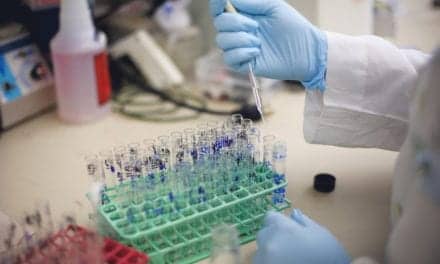
The collaboration focuses on advancing proprietary biomarkers for the earlier and more accurate detection of the autoimmune disease.
Trinity Biotech entered into a collaboration agreement with the University at Buffalo (UB) to advance and commercialize a suite of proprietary biomarkers for Sjögren’s Syndrome. The partnership aims to improve the detection of the autoimmune disease, which is currently considered one of the most underdiagnosed conditions.
Sjögren’s Syndrome is a chronic, systemic condition that primarily affects moisture-producing glands in the eyes and mouth. It can also involve the nervous system, lungs, and kidneys. As many as 4 million people in the US may be living with the disease, which is three times more common than lupus or multiple sclerosis. Women represent approximately 90% of cases, and diagnosis is frequently delayed for years due to varied clinical presentations.
“Sjögren’s is a significantly underdiagnosed condition that imposes a major burden on patients. This collaboration further positions Trinity Biotech at the forefront of developing next-generation autoimmune diagnostics,” says John Gillard, president and CEO of Trinity Biotech, in a release.
The agreement includes an exclusive license for Trinity Biotech to commercialize UB’s intellectual property related to Sjögren’s Syndrome biomarkers. The collaboration is part of a strategy to expand Trinity Biotech’s New York State Department of Health-approved reference laboratory and bring specialty diagnostic tests to the US market.
Current diagnostic methods for Sjögren’s Syndrome often rely on subjective symptoms and invasive testing. The research that led to these biomarker discoveries was funded in part by the Center for Advanced Technology (CAT) in Big Data and Health Sciences, which provides research and development funding for industry partnerships.
“UB CAT’s milestone-driven, multi-year funding model delivers sustained support during the critical early stages of product development, equipping companies with the R&D momentum necessary to accelerate their path to commercialization,” says Smitha James, senior associate director of life sciences programs and the UB CAT at UB Business and Entrepreneur Partnerships, in a release.
The biomarkers were developed through UB faculty research and industry collaboration to address diagnostic gaps.
“By facilitating collaborations like this one, we help translate cutting-edge discoveries from UB faculty labs into commercial diagnostics and therapies that can improve patient care,” says Per Stromhaug, senior associate vice president for economic development at UB, in a release.
ID 101812761 © Anar Mammadov | Dreamstime.com
Related Reading:
Trinity Biotech Applies for Early Sjogren’s Syndrome Test Panel PLA Code
Proteomic Data from Immunovia’s Immray Platform Helps Diagnose Autoimmune Diseases
Skin Patch Opens New Door for Immune Monitoring