In studies using National Lung Screening Trial biospecimens, a liquid biopsy assay showed similar sensitivity to low-dose CT screening and detected cancers missed by imaging.
Mercy BioAnalytics presented two abstracts at the 2026 American Society of Clinical Oncology (ASCO) Annual Meeting featuring results from studies using biospecimens from the National Lung Screening Trial (NLST) repository. The presentations focus on the clinical performance of a blood-based assay for lung cancer screening and lung nodule triage in subjects at elevated risk.
The NLST was a National Cancer Institute (NCI) sponsored randomized controlled trial that demonstrated a mortality benefit associated with annual low-dose computed tomography (LDCT) screening. The trial established a biospecimen repository to enable the validation of early detection lung cancer biomarkers that might support or replace LDCT. Mercy BioAnalytics states its presentation represents the first use of blood specimens from NLST subjects for preliminary validation of early detection lung cancer biomarkers.
The first study reports results from a blinded evaluation of a blood-based lung cancer screening assay in elevated-risk subjects from the NLST. In this dataset, the assay showed similar sensitivity to LDCT across two annual screening encounters and detected lung cancers that were missed by LDCT, according to a press release from Mercy BioAnalytics.
The second study involves a blinded evaluation of a blood-based pulmonary nodule triage assay. In the NLST, 6% of LDCT-screened subjects were scored as 3 or 4A using the Lung-RADS framework. Despite a 4% prevalence of cancer in this population, immediate diagnostic workup is not typically recommended. The Mercy BioAnalytics assay exhibited 43% sensitivity for the detection of lung cancer in these subjects, supporting further evaluation as a reflex approach for LDCT-detected pulmonary nodules.
“The results of the National Lung Screening Trial documenting a 20% decrease in lung cancer mortality with low-dose CT has led to practice-changing recommendations with screening now recommended in high-risk groups. Mercy’s encouraging preliminary results are exactly why the NCI set up the NLST biospecimen repository: to enable validation of promising blood biomarkers,” says Christine Berg, MD, the retired NCI lead investigator on the NLST, in a release. “A blood test like Mercy’s could increase lung cancer screening uptake and make evaluation of pulmonary nodules more precise, potentially leading to more lives saved.”
The company’s liquid biopsy platform, Mercy Halo, utilizes biomarker colocalization to interrogate blood-based extracellular vesicles and particles that carry cancer signatures from their parent cells. These results support further evaluation, which is currently underway, regarding blood-based approaches to lung cancer screening and risk stratification of LDCT-detected pulmonary nodules.
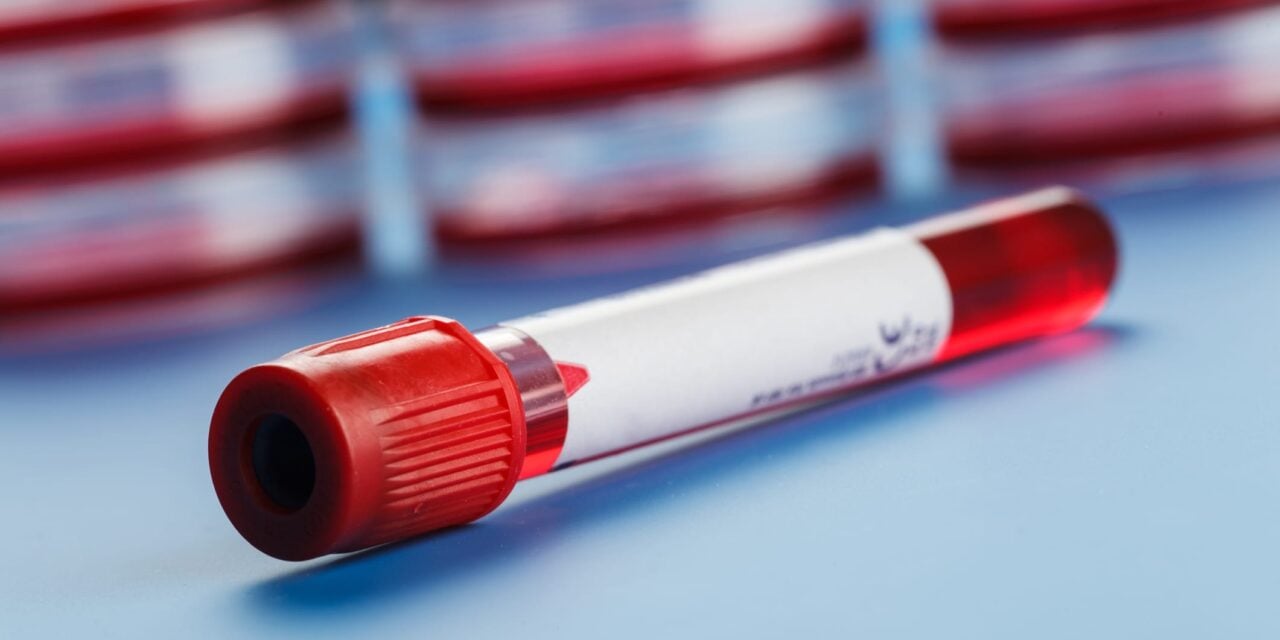
ID 30444424 © Luchschen | Dreamstime.com