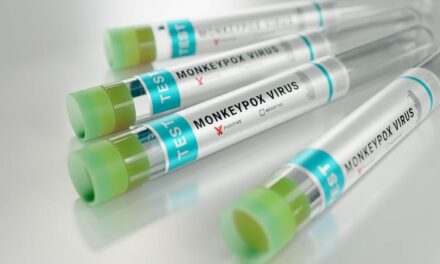
The molecular test detects genetic material in blood samples to assist in rapid infection confirmation and disease surveillance.
The World Health Organization (WHO) has added the first molecular diagnostic test for Ebola Bundibugyo virus to its Emergency Use Listing (EUL). The test identifies the genetic material of the virus in blood samples to help confirm infections rapidly and accurately.
The EUL procedure evaluates the quality, safety, and performance of health products based on available evidence to ensure they meet international standards. Through this mechanism, the WHO intends to increase access to diagnostic tools for early case detection, clinical care, disease surveillance, and outbreak response.
“Public health emergencies require not only speed, but also confidence that the health products being used meet standards for quality, safety and performance,” says Yukiko Nakatani, MD, PhD, WHO assistant director-general for health systems, access and data, in a release. “During a fast-moving outbreak, timely access to quality-assured diagnostic tests can make a critical difference in containing transmission. Through this Emergency Use Listing, WHO is helping countries access trusted diagnostic tools more rapidly so that they can respond more effectively.”
The listing follows a May 17, 2026, declaration by the WHO director-general of a public health emergency of international concern regarding an outbreak in the Democratic Republic of the Congo and Uganda. This is the largest recorded outbreak of Ebola disease caused by Bundibugyo virus, with 1406 laboratory-confirmed cases and 438 deaths reported in the Democratic Republic of the Congo.
Expanding Laboratory Capacity
Laboratory testing capacity in the region has expanded with support from the WHO and the Africa Centres for Disease Control and Prevention. Initially limited to two sites with a combined capacity of 200 to 400 tests per day, the network now includes 10 laboratories across affected provinces with a reported capacity of more than 2000 tests per day.
In addition to the listing, the WHO and the Africa Centres for Disease Control and Prevention are collaborating with partners, including PATH, FIND, and CHAI, to establish a joint validation platform. This platform will evaluate the performance of laboratory-based molecular tests, near-point-of-care molecular tests, and antigen rapid diagnostic tests to generate clinical evidence in outbreak settings.
Bundibugyo virus disease is a severe, often life-threatening condition. The virus can spread from animals to humans and then from person to person through contact with infected bodily fluids or contaminated surfaces. The WHO is currently reviewing additional applications for Bundibugyo virus in vitro diagnostics submitted through the EUL procedure.
ID 174150572 © Awargula | Dreamstime.com