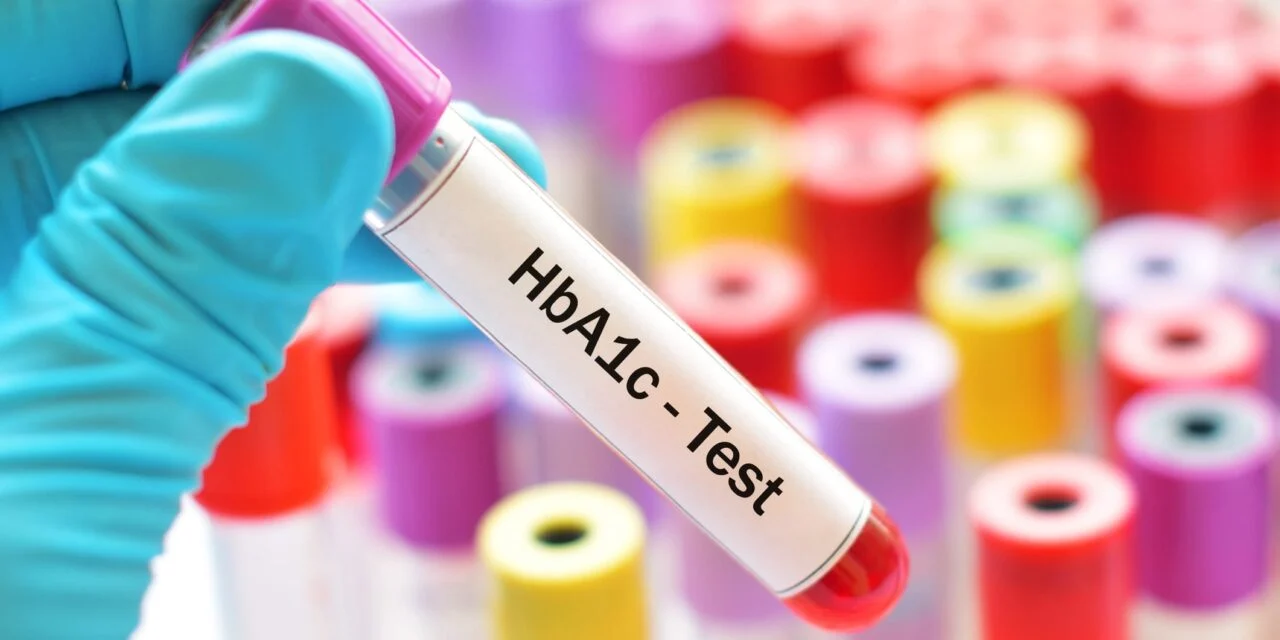
Research presented at ADLM 2026 suggests high-performance liquid chromatography provides more accurate diabetes screening for populations with hemoglobin variants.
People with sickle cell trait may require specific laboratory monitoring for blood glucose to ensure accurate detection of pre-diabetes and diabetes, according to research presented at the Association for Diagnostics & Laboratory Medicine (ADLM) 2026 meeting.
Researchers found that immunoturbidimetry, a common laboratory assay used to measure protein concentrations, significantly underestimated hemoglobin A1c (HbA1c) levels in individuals with sickle cell trait when compared to high-performance liquid chromatography (HPLC). This discrepancy could lead to an underclassification of pre-diabetes and a failure to detect diabetes in these patients.
“Our study indicates that relying on immunoassays alone likely contributes to a significant underdiagnosis of diabetes,” says Elikem Kumahor, a specialist laboratory physician at Korle Bu Teaching Hospital in Accra, Ghana, and lead study author, in a release. “We recommend adopting other laboratory methods that factor in hemoglobin variants, like HPLC or mandatory reflex testing algorithms, for accurate diabetes assessments in high-risk populations.”
Comparing Immunoassay and HPLC Performance
Kumahor and colleagues conducted a retrospective study at a tertiary hospital in Accra, analyzing 1,283 consecutive HbA1c tests from patients ages 18 and older. Initial measurements were performed on an HPLC platform designed to detect hemoglobin variants. Investigators then reanalyzed 256 samples with suspected variants using immunoturbidimetric assays and confirmed the sickle cell trait using hemoglobin electrophoresis.
The study categorized 1,027 patients as having normal hemoglobin (HbAA) and 198 as having the sickle cell trait (HbAS). While the HbAA group showed minimal bias between the two laboratory methods, the immunoassay significantly underestimated HbA1c in the HbAS group, yielding a mean of 5.1% compared to 5.9% via HPLC.
Impact on Clinical Classification
The difference in laboratory methods resulted in significant variations in patient classification. Using immunoassay, only 11.1% of HbAS participants were classified as pre-diabetic, compared to 34.5% when using HPLC. Additionally, HPLC identified 4% of the HbAS group as meeting the criteria for diabetes, while the immunoassay failed to classify any of those individuals as diabetic.
“From this preliminary study, we noted that HbA1c results measured in participants carrying the sickle cell trait were significantly decreased compared to participants with normal hemoglobin when results from HPLC were compared to results from immunoturbidimetry,” says Kumahor in a release.
Kumahor notes that while HbA1c is a standard non-fasting test for diabetes monitoring, its clinical utility may be limited in regions with a high prevalence of hemoglobin variants. The researchers suggest that patients being screened for diabetes should also have their hemoglobin genotype tested to guide testing protocols, particularly in areas like West Africa where the sickle cell trait is common.
ID 101411862 © Jarun011 | Dreamstime.com