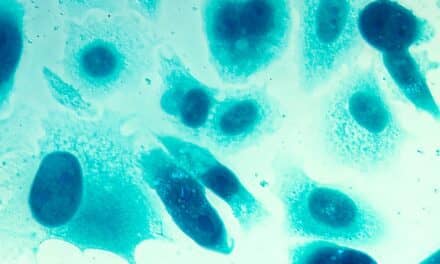
The in-house immunohistochemistry test helps identify patients with specific protein deficiencies eligible for newly approved treatments.
Caris Life Sciences announced it will offer in-house PTEN immunohistochemistry (IHC) testing following the recent Food and Drug Administration (FDA) approval of a biomarker-guided therapy and companion diagnostic assay.
The testing is designed to identify patients with PTEN-deficient metastatic androgen pathway modulation-naïve or -sensitive prostate cancer who are eligible for newly approved therapy. Prostate cancer remains one of the most prevalent malignancies in men, with more than 300,000 new cases diagnosed annually in the United States.
The FDA approval of capivasertib, in combination with abiraterone and prednisone, for adults with PTEN-deficient mAPMN/S prostate cancer marks a turning point for the disease, enabling a more personalized approach to treatment. Historically, therapy selection for this condition has relied primarily on clinical characteristics rather than changes in protein expression.
Identifying PTEN Deficiency
One in four patients with mAPMN/S prostate cancer have PTEN-deficient tumors, which are associated with faster progression and worse outcomes, according to the press release. The IHC testing enables clinicians to identify patients whose tumors exhibit PTEN protein loss, a key molecular alteration associated with the activation of the PI3K/AKT pathway.
“For patients with metastatic hormone-sensitive prostate cancer, treatment decisions have historically been driven largely by clinical factors rather than biomarker-defined molecular alterations,” says George W Sledge, Jr, MD, executive vice president and chief medical officer at Caris, in a release. “The ability to identify PTEN loss through IHC testing brings a new level of precision to treatment selection, helping ensure that the right patients can be matched with biomarker-driven therapies at a critical point in their disease.”
In-House Laboratory Testing
The PTEN IHC testing expands the company’s existing menu of assays and is performed within its CAP-accredited, CLIA-certified laboratories. By performing the testing in-house, the company can deliver results to help inform timely clinical decision-making.
The integration of PTEN IHC with other molecular profiling approaches, such as next-generation sequencing, is intended to provide a more complete understanding of tumor biology to guide therapy selection. The introduction of this testing reflects a broader evolution in prostate cancer care as the field transitions toward biomarker-driven treatment strategies that align therapy with the molecular drivers of the disease.
By enabling the identification of patients who are eligible for these therapies, the company aims to advance more precise, individualized treatment decisions that may improve clinical outcomes.