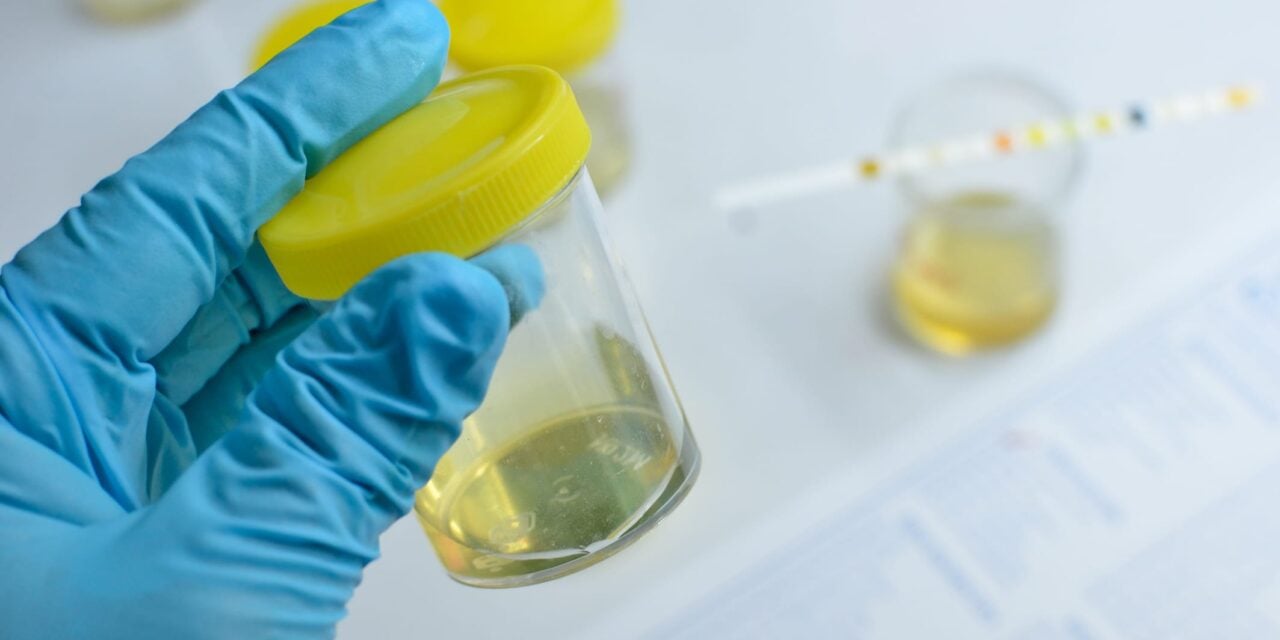
A Stanford-led study evaluates Resero Bio’s uRARE-seq platform across 683 patient samples, identifying tumor grade, residual disease, and immunotherapy response.
A new study led by researchers at the Stanford Cancer Institute, the VA Palo Alto Health Care System, and collaborating institutions demonstrates that urine cell-free RNA (cfRNA) analysis can detect bladder cancer non-invasively, distinguish tumor aggressiveness, and predict patient response to treatment.
Published in Nature Medicine, the study evaluated 683 urine samples from bladder cancer patients and controls using uRARE-seq, a targeted cfRNA sequencing method developed by precision diagnostics company Resero Bio. The platform builds on the company’s core RARE-seq technology, which analyzes cell-free transcriptomes across both urine and plasma without requiring prior tumor tissue sequencing.
“This study presents the clearest evidence yet that cell-free RNA carries far more clinically relevant information than a binary detection call,” says Monica Nesselbush, PhD, CEO and co-author of the study and co-founder of Resero Bio, in a release. “We’re not just asking whether cancer is present. We’re reading out gene expression programs associated with tumor grade, stage, immune biology, and treatment response, all from a urine sample. Moving beyond detection to deeper characterization is the foundation of our platform, and bladder cancer represents a prime example of how that capability can deliver value throughout the patient journey.”
Characterizing Tumor Biology Non-Invasively
In addition to sensitive detection of bladder cancer in pre-treatment urine, the assay discriminated low-grade from high-grade tumors and non-muscle invasive from muscle-invasive bladder cancer. Both clinical assessments currently require invasive tissue sampling through surgical resection or biopsy.
The researchers also identified a pre-treatment molecular signature that predicted response to Bacillus Calmette-Guerin (BCG) immunotherapy. Patients who achieved a complete molecular response to BCG exhibited pre-existing anti-tumor immune response signatures in urine cfRNA before therapy began.
“What’s compelling about this dataset is that the biology holds up across independent training and validation cohorts, and the predictive signal for BCG response was there before treatment even started,” says Ash Alizadeh, MD, PhD, co-founder and scientific advisor of Resero Bio, in a release. “That kind of pre-treatment stratification is exactly what’s needed to make smarter, faster decisions in the clinic and in the drug development pipelines built around these patients.”
Monitoring Minimal Residual Disease
The platform demonstrated utility in identifying molecular residual disease (MRD) following intervention. The sequencing method differentiated patients who had complete molecular responses to surgery from those who had incomplete surgical responses but subsequently responded to adjuvant BCG. Patients with complete molecular responses to either treatment modality showed a significantly lower risk for disease recurrence than patients with detectable tumor cfRNA after therapy.
“Bladder cancer management is full of moments where a clinician has to make a consequential decision with incomplete information: How aggressive is this tumor? Will it respond to BCG? Is there residual disease after treatment?” says Max Diehn, MD, PhD, co-author of the study and co-founder and scientific advisor of Resero Bio, in a release. “Liquid biopsies have mostly been used to detect the presence of cancer. This work shows they can also help inform treatment strategy, which is ultimately what matters most to providers and their patients.”
Applications Beyond Bladder Cancer
The study also uncovered transcriptionally distinct cfRNA profiles in urine samples collected from patients with renal cell carcinoma and prostate adenocarcinoma, providing initial evidence supporting urine cfRNA applications in other urologic malignancies.
According to the company, the RARE-seq platform is biofluid- and disease-agnostic, using capture panels tailored for urine and plasma alongside machine learning bioinformatics to assess expression profiles. Proof-of-concept cfRNA signals have been observed across 10 solid tumor types, and the technology is currently available for research use.
ID 54807494 © Jarun011 | Dreamstime.com