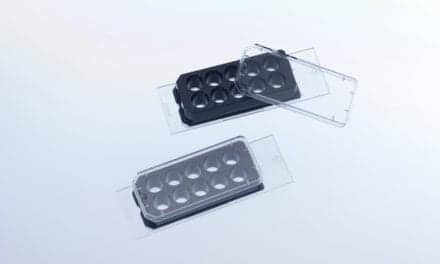
The automated diagnostic system delivers antimicrobial susceptibility results in 100 to 140 minutes directly from positive blood culture bottles.
The US Food and Drug Administration (FDA) has granted 510(k) clearance for the PhAST instrument and the PhAST Blood Culture Gram-negative Panel. Granted in June 2026, the clearance covers rapid phenotypic antimicrobial susceptibility testing directly from positive blood culture bottles without requiring subculture steps.
The PhAST Blood Culture Gram-negative Panel is an in vitro diagnostic assay indicated for monomicrobial blood cultures containing Acinetobacter spp, Enterobacterales, or Pseudomonas aeruginosa that have flagged positive in continuous monitoring systems. Organism identification from a separate FDA-cleared diagnostic method is required. The test delivers categorical interpretations of Susceptible, Intermediate, or Resistant across 15 antimicrobials.
According to the company, the test is the fastest FDA-cleared phenotypic antimicrobial susceptibility platform for positive blood cultures. The mean time from sample loading to result is 99 ± 6 minutes for Enterobacterales and Acinetobacter spp, and 141 ± 6 minutes for P aeruginosa.
“By quantifying the full range of individual cell responses to an antibiotic, our platform reveals population susceptibility in minutes rather than days, and we see significant potential to extend this approach across clinical microbiology,” says Roman Stocker, PhD, co-founder and chief scientific officer of PhAST, in a release.
Single-Cell Imaging and Laboratory Workflow
Rather than inferring antibiotic resistance from specific genetic markers, the PhAST platform uses single-cell, time-lapse video microscopy coupled with computer vision to observe how live bacterial cells respond to antimicrobials in real time.
The assay is categorized as Moderate Complexity under CLIA guidelines and requires under one minute of hands-on sample preparation time. Each benchtop instrument accommodates up to four samples concurrently with random-access capability, allowing a testing throughput of up to 12 samples per eight-hour shift.
Clinical Accuracy and Sepsis Management
FDA clearance was supported by data from a multicenter clinical study conducted across four sites, including three US clinical laboratories. The assay demonstrated an overall categorical agreement of 97.3%, with a major error rate of 0.9% and a very major error rate of 0.2%.
Bloodstream infections represent critical medical emergencies. Data from the Centers for Disease Control and Prevention indicate that at least 1.7 million US adults develop sepsis annually, resulting in at least 350,000 hospital deaths or discharges to hospice care. In addition, an estimated 1.14 million deaths globally were directly attributable to bacterial antimicrobial resistance in 2021, according to findings published in The Lancet.
Standard-of-care laboratory methods typically require 24 to 48 hours following a positive blood culture flag to complete subculturing and susceptibility testing, leaving patients on empiric broad-spectrum antibiotic regimens in the interim.
“The shift that gets the positive blood culture should be the shift that acts on it. This means less time on the wrong drug – for the patient, and for everyone downstream of the resistance we drive with broad-spectrum antibiotics,” says John Sauls, PhD, CEO of PhAST, in a release.
The platform previously received FDA Breakthrough Device Designation in October 2025, and the company is actively developing additional diagnostic outputs and sample applications.
ID 45151006 © Tyler Olson | Dreamstime.com