The automated workflows aim to reduce hands-on time, increase sample throughput, and streamline library preparation for clinical research laboratories.
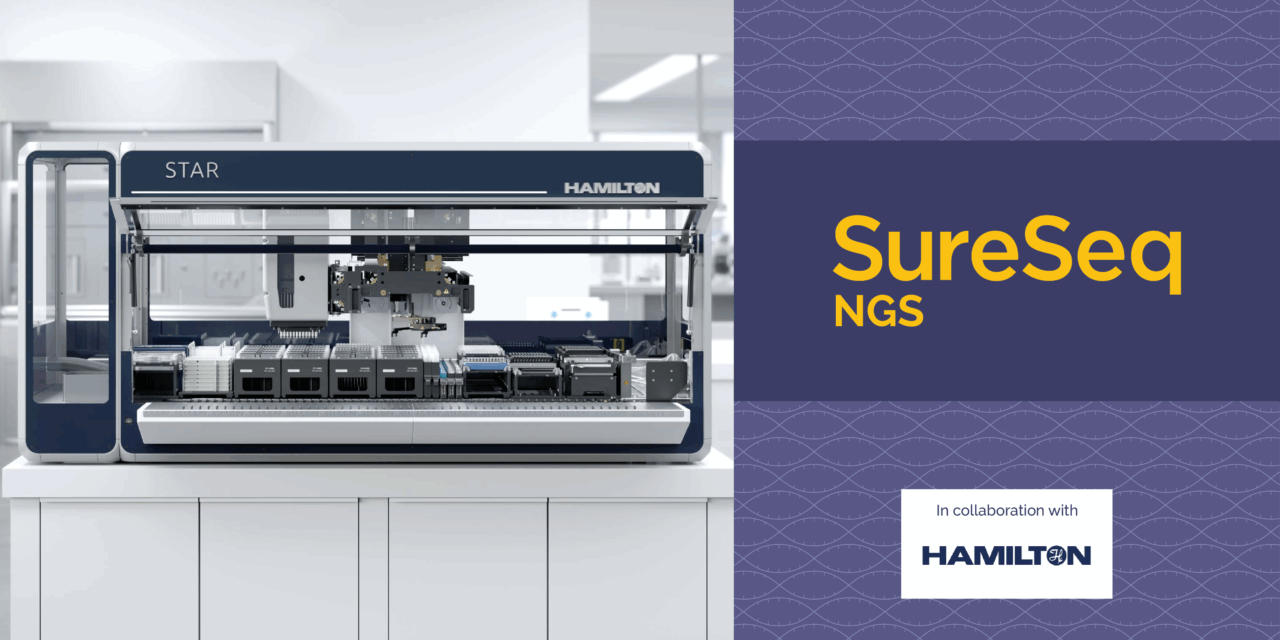
OGT has introduced next-generation sequencing (NGS) automation capabilities across its SureSeq NGS portfolio, offering compatibility with the Hamilton NGS STAR Line. The system is designed to help laboratories optimize resources, manage increasing sample volumes, and meet turnaround time targets.
Developed in collaboration with laboratory partners and workflow specialists, the automation-enabled SureSeq workflows remove manual intervention during the most time-consuming stages of NGS library preparation. By minimizing hands-on requirements, the platform supports high-throughput processing across multiple sample types while delivering more consistent results and greater process reproducibility.
“NGS automation is essential for high-volume labs to get the most out of their NGS analysis,” says Adrian Smith, CEO of OGT, in a release. “By removing labour-intensive manual steps, labs can dramatically increase capacity, improve reproducibility and consistency allowing them to focus their teams where it matters most.”
Addressing Laboratory Bottlenecks
As sample volumes continue to increase, clinical research laboratories face growing pressure to maintain high throughput while handling labor-intensive library preparation protocols. Manual steps during these workflows can create operational bottlenecks and increase the risk of variability between runs.
The automated workflows integrate with OGT’s portfolio of hematological malignancy-focused SureSeq NGS panels, including the recently introduced SureSeq Myeloid MRD Plus NGS Panel. This combination is intended to provide clinical research laboratories with the throughput, consistency, and analytical capacity needed to scale their genomic operations effectively without adding resource burden.
Photo caption: SureSeq NGS
Photo credit: OGT