New updates include expanded capabilities for microbial identification and advancements in sepsis diagnostics and sequencing workflows.
Bruker is showcasing an expanded portfolio of microbiology and infection diagnostics at the ASM Microbe 2026 meeting in Washington, DC. The updates include new innovations in microbial identification, sepsis diagnostics, molecular testing, and next-generation sequencing workflows.
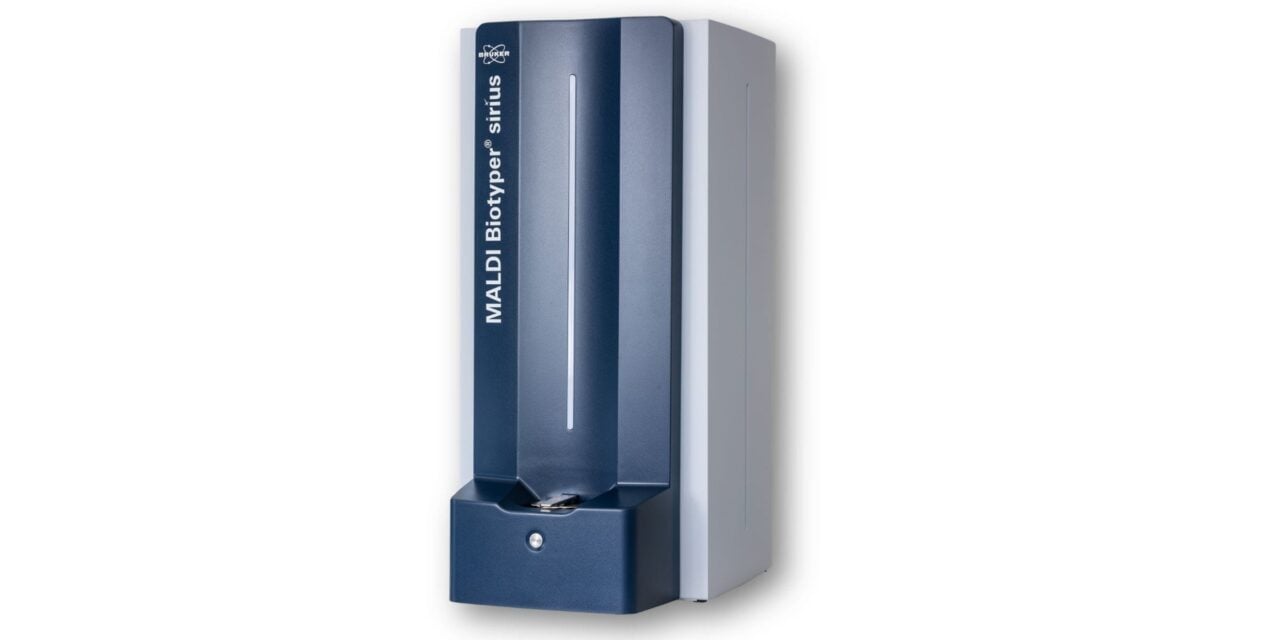
The company is highlighting the expanded clinical capabilities of the MALDI Biotyper CA System, which is supported by Food and Drug Administration (FDA) Claims 7 and 8. These enhancements include the MBT Compass HT CA software, the MBT FAST Shuttle US IVD, and an expanded FDA-cleared reference library that covers 549 clinically validated microbial species across bacteria, anaerobes, and yeasts.
Bruker is also focusing on bloodstream infection and sepsis diagnostics with a new vision for rapid antimicrobial susceptibility testing. This workflow, which is currently under development, combines the MALDI Biotyper CA System with the Bruker Arc automated sample preparation solution for positive blood cultures to support earlier clinical decision-making for critically ill patients.
“We believe the future of microbiology lies in integrated innovations that can deliver faster, clinically actionable answers for some of the most critical patient conditions, including sepsis,” says Carla Schneider, Bruker’s director of commercial operations for microbiology and infection diagnostics, Americas, in a release. “At ASM Microbe 2026, we are showcasing how our expanding portfolio and innovation pipeline are helping laboratories move toward faster decision-making, including the next wave of solutions for rapid positive blood culture analysis.”
New solutions for the MALDI Biotyper RUO/GP systems are also being introduced to the US market. These include the MBT Easy T Kit (GP), the MBT Compass HT RUO/GP v.500 with a library of 5,325 species, and the MBT HT Library Creator (RUO). The library expansion adds more than 600 species, including improved coverage of filamentous fungi. Additionally, new classifiers for the IR Biotyper are intended to enhance outbreak investigation and surveillance.
The portfolio expansion includes the US introduction of the MBioSEQ Ridom Typer software (RUO), which supports reflex next-generation sequencing testing. This software works alongside the MALDI Biotyper and IR Biotyper to create a workflow that moves from identification to genomic characterization and epidemiological insight.
According to the company, the US microbiology business saw 140 new system placements in 2025, with growth momentum continuing into 2026 for both systems and consumables.
Photo caption: MALDI Biotyper CA System
Photo credit: Bruker