New Portable FeNO Device Enables Six-Second Breath Test for Respiratory Assessment
The handheld system supports point-of-care fractional exhaled nitric oxide testing in adults and pediatric patients.


The handheld system supports point-of-care fractional exhaled nitric oxide testing in adults and pediatric patients.

Johns Hopkins researchers have developed an AI-driven liquid biopsy that uses cell-free DNA fragmentation patterns to detect early liver fibrosis and cirrhosis, according to a study in Science Translational Medicine.

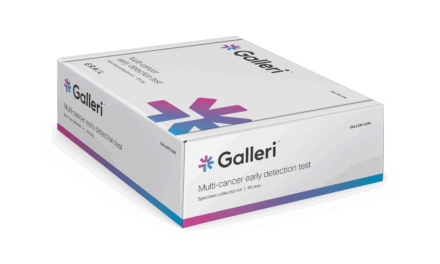
The Galleri blood test demonstrated a four-fold increase in cancer detection rates and substantial reduction in stage IV cancer diagnoses in 142,000 participants.



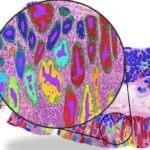
PathAI has launched new AI-powered tools on its AISight Clinical Trials Platform, providing standardized histopathology endpoints for inflammatory bowel disease drug development.

Researchers at Yeditepe University have developed a machine learning classifier that integrates multi-omic data and metabolic modeling, improving lung and pancreatic cancer diagnosis accuracy, according to a study in Quantitative Biology.
The all-in-one diagnostic platform combines hematology, biochemistry, and immunoassay testing in a single run.

The company plans to use CRISPR-Cas9 as a binding tool to address bottlenecks in next-generation sequencing workflows.
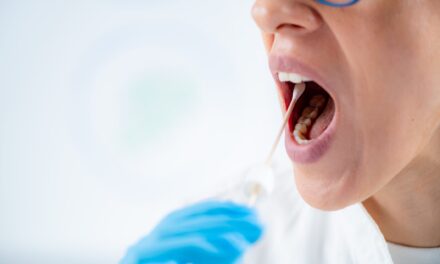
The test enables CYP3A5 genotyping via buccal swab to help clinicians optimize tacrolimus dosing for transplant patients based on individual genetic profiles.

QuidelOrtho has signed a supply agreement with Lifotronic to add multiple analyzer platforms and over 25 new immunoassays, expanding its testing portfolio in international markets outside the US.
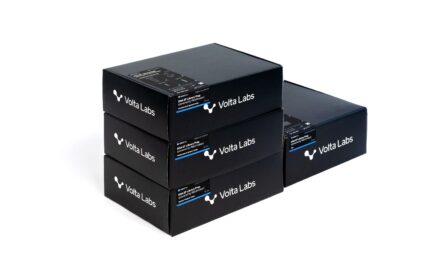
The automated, PCR-free DNA library prep solution is designed for whole genome sequencing, targeting mid-throughput clinical and translational labs.
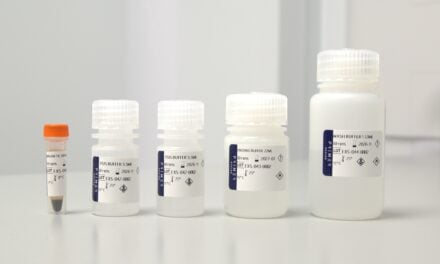
The exsig Mag RapidBead Pro kit features a four-step workflow that reduces extraction time to under 20 minutes.
The integrated testing approach combines genomic profiling with immunohistochemistry to support faster treatment decisions for advanced-stage cancer patients.

The cobas liat system delivers PCR results in 15 minutes, detecting and differentiating between three Bordetella pathogens including whooping cough.
New recommendations address evolving drug landscape and advancing testing technologies since original 2003 guidance.