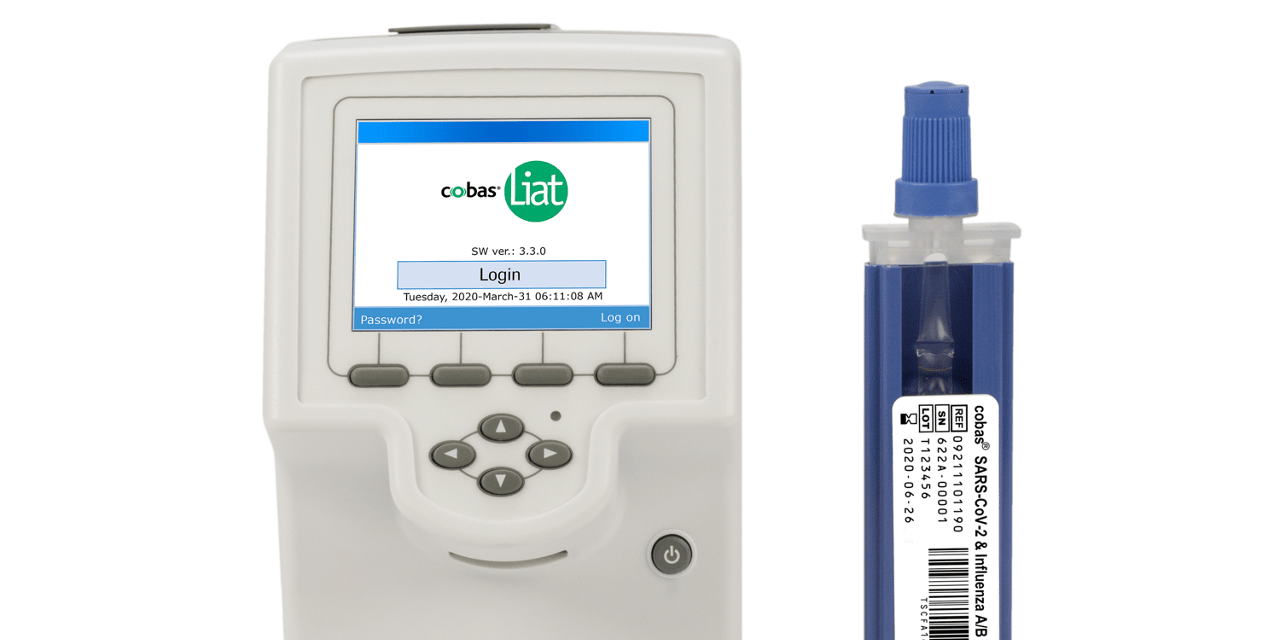
The cobas liat system delivers PCR results in 15 minutes, detecting and differentiating between three Bordetella pathogens including whooping cough.
Roche announced that its point-of-care test for detecting Bordetella infections, including whooping cough (pertussis), has received US Food and Drug Administration 510(k) clearance and Clinical Laboratory Improvement Amendments of 1988 waiver.
The PCR test uses the cobas liat system to deliver results in 15 minutes at the point of care, enabling physicians to diagnose patients during their consultation and take action to provide appropriate antibiotics that can prevent severe complications and onward transmission.
The test detects and differentiates between three key Bordetella species: B pertussis, the cause of classic whooping cough; B parapertussis, which causes a milder pertussis-like illness; and B holmesii, an emerging pathogen increasingly associated with pertussis-like symptoms and potential diagnostic challenges.
“Faster and more accurate clinical decisions are critical for reducing the risk of severe complications and ultimately stopping the transmission of Bordetella infections,” says Matt Sause, CEO of Roche Diagnostics, in a release. “This new test allows clinicians to quickly make a definitive and precise diagnosis to ensure patients get the right treatment earlier.”
Addressing a Global Health Challenge
Pertussis affects people of all ages but can be more severe in children, causing an estimated 24.1 million cases and 170,000 deaths annually. A major diagnostic challenge is that early symptoms are often indistinguishable from other respiratory illnesses.
Whooping cough has a cyclical prevalence that typically peaks in severity every three to five years. With a surge underway, the increase in cases has been further amplified by interruptions in routine vaccinations during the COVID-19 pandemic, along with waning immunity and vaccine hesitancy. These factors have driven infections across all age groups, including older children and adults, where symptoms can be less typical and harder to recognize.
Photo caption: Cobas liat POC test
Photo credit: Roche