A new College of American Pathologists article explores how multiplex immunofluorescence can assess multiple biomarkers in a single tissue section while conserving samples for additional testing.
Pathologists are being asked to get more answers from less tissue, and multiplex immunofluorescence may help by evaluating multiple protein markers on the same tissue section while preserving the spatial relationships among cells.
The approach is the focus of a new article from the College of American Pathologists Personalized Health Care Committee. According to the committee, a single cancer biopsy may need to establish a diagnosis, identify treatment-related biomarkers, and support genomic testing, all while tissue is preserved for other essential testing.
“The future of pathology isn’t simply about doing more tests. It’s about extracting more meaningful information from every tissue sample,” says Jordan Seth Laser, MD, FCAP, an advisor to the committee, in a release.
Where Multiplex Approaches May Help
The committee notes that the value of multiplex testing goes beyond conserving tissue. Lymphoma evaluation, cancers of unknown primary, and small biopsies, including fine-needle aspiration and cytology specimens, are among the applications that show the benefit of gaining more diagnostic information from limited samples.
These methods may complement conventional immunohistochemistry by allowing multiple markers to be assessed while minimizing tissue consumption. The committee emphasizes that conventional immunohistochemistry remains essential to routine diagnosis, and it describes multiplex approaches as a complementary and evolving capability.
The committee also points to the technology’s potential to better characterize tumor cells, immune cells, and the surrounding tumor microenvironment. Understanding those spatial relationships may become increasingly relevant to both diagnosis and therapeutic decision-making, particularly as treatment modalities such as antibody-drug conjugates and bispecific antibodies reshape cancer care.
The committee concludes that the opportunity lies in more than testing additional markers. The goal, it says, is translating richer information from increasingly limited tissue samples into validated, clinically meaningful insights that can help inform patient care.
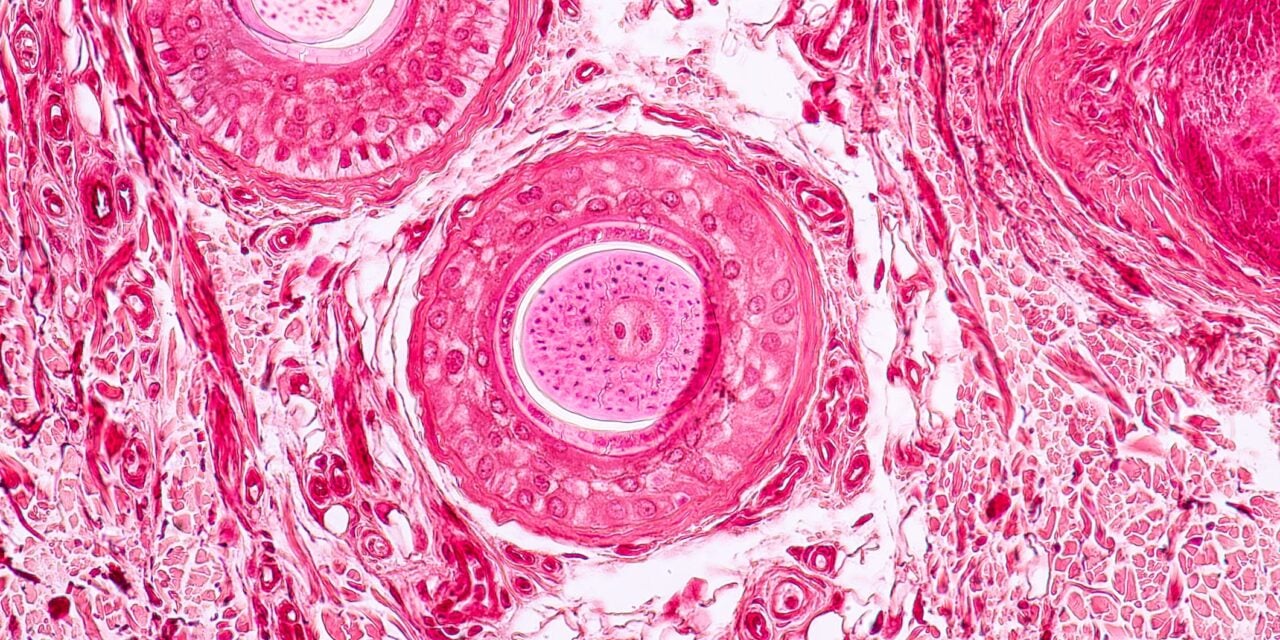
ID 142309028 | Abstract © Piyapong Thongdumhyu | Dreamstime.com