A new survey-based study finds that more than half of physically Disabled women would prefer at-home human papillomavirus testing over traditional clinic-based cervical screening.
A new study from the University of Sheffield suggests that at-home human papillomavirus (HPV) self-sampling kits could help address persistent gaps in cervical cancer screening among physically disabled women, a population that faces disproportionate barriers to traditional in-person screenings.
The National Institute for Health and Care Research-funded study, published in the Journal of Medical Screening, surveyed 1,493 UK-based women and people with a cervix who have physical disabilities or impairments. It is the first study of its kind to examine attitudes toward HPV self-sampling as an alternative to clinician-led cervical screening in this population.
Among the key findings, 63% of respondents said they would be able to perform the test themselves, and more than half indicated they would choose a home-testing kit over an in-person screening if given the option. However, more than 70% also reported concerns about performing the test correctly—a finding that researchers say underscores the need for tailored instruction materials and improved clinician training.
“Physically disabled women face significant barriers when it comes to accessing healthcare, and cervical screening is no different,” says Sue Sherman, PhD, a professor of psychology at the University of Sheffield and lead researcher on the study, in a release. “…Our research indicates that many physically disabled women—particularly those who have delayed, missed, or never attended a screening—would find this option easier and preferable.”
Barriers to Traditional Cervical Screening
Cervical cancer is caused in more than 90% of cases by HPV, and early detection through screening remains one of the most effective tools for reducing mortality. Traditional cervical screenings, commonly referred to as smear tests, are typically conducted in-person at GP clinics and can present significant logistical and physical challenges for disabled women.
These barriers include difficulties traveling to appointments, a lack of accessible clinic facilities, challenges in achieving the required positioning for the test, and insufficient awareness among healthcare providers of the specific needs of disabled patients.
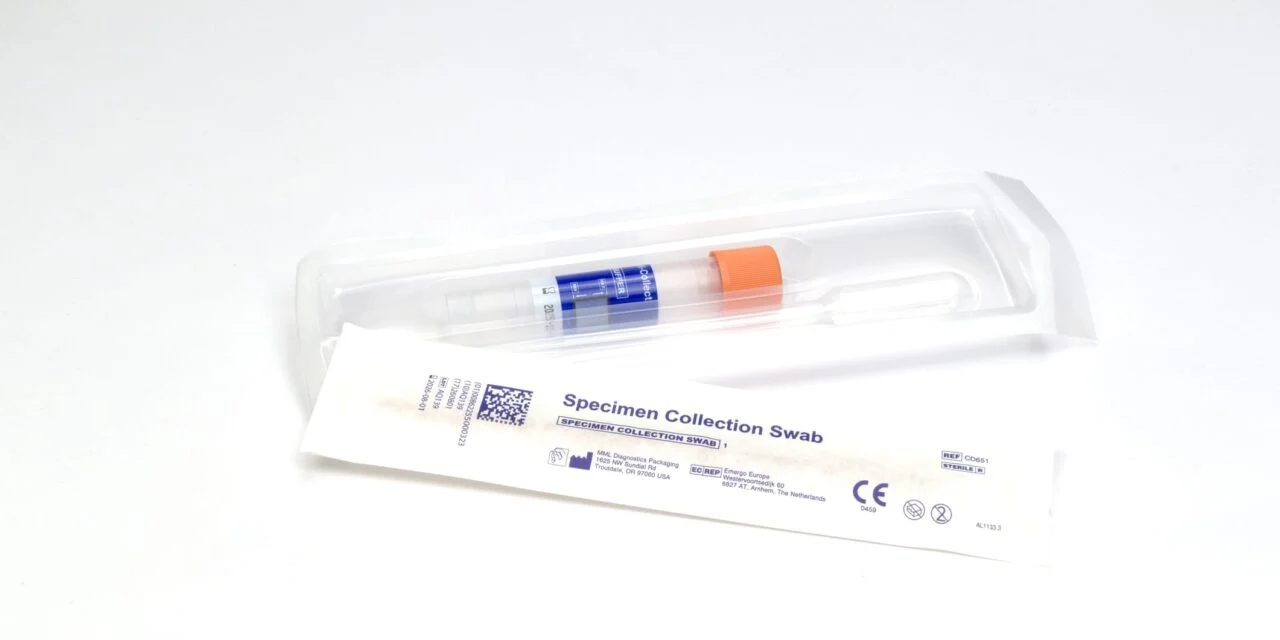
The self-sampling kits evaluated in the study use a vaginal swab—described as similar to a long cotton-wool bud—to screen for HPV. The kits do not require a clinician to administer the test, which researchers say could remove several of the structural obstacles that have historically contributed to lower screening rates among physically disabled women.
NHS Rollout and Broader Policy Context
The study arrives as the UK’s National Health Service (NHS) prepares to expand access to at-home HPV testing as part of its 10-Year Health Plan. The initiative is designed to reach women who are under-screened or have never been screened, targeting barriers such as discomfort, embarrassment, and cultural sensitivities. The rollout is expected later this year.
Currently, there are no formal plans to routinely offer self-sampling kits specifically to physically disabled women under the NHS scheme, though the study’s authors suggest the data supports extending that option to this group.
Alycia Hirani, a contributor to the study who lives with Osteogenesis Imperfecta, commonly known as brittle bone disease, said the findings reflect a broader imperative for patient autonomy. “Disabled women deserve choice in healthcare. Expanding testing options and knowledge of alternatives like HPV screening can give so much more access, autonomy, and can be life-saving to so many people,” says Hirani in a release.
Researchers recommend that any expanded self-sampling program include tailored instructional materials designed to accommodate different physical needs, as well as enhanced training for clinicians to support equitable access to cervical screening across all patient populations.
ID 419034638 © Miroslav Milda | Dreamstime.com
Related Reading:
What Self-Sampling for Women’s Health Testing Means for Labs
Breaking Down Barriers to Cervical Cancer Screening Compliance by Introducing Self-Collection
HRSA Updates Cervical Cancer Screening Guidelines to Include Self-Collection
Why Cervical Cancer Screening Rates Are Falling—and What Could Help Reverse the Trend
Lab Introduces Self-Collected HPV Test to Enhance Privacy and Access