A $4 million financing round will support development of a liquid specimen biorepository and expand biopsy catchment pilot programs at medical institutions across the US.
Virchow Medical has closed a $4 million seed financing round led by Cerberus Ventures to advance its biopsy specimen stewardship technologies and expand access to precision oncology diagnostics. Chenny Zhang, managing director for Cerberus Ventures, will join the Virchow Board of Directors as part of the deal.
The capital will be used to complete the development of the Virchow Vault, described by the company as the world’s first liquid specimen biorepository, and to deploy Biopsy Catchment pilot programs at additional medical institutions across the US.
The financing addresses a persistent challenge in clinical oncology molecular diagnostics: oncologists ordering genomic sequencing currently rely on formalin-fixed tissue obtained during biopsy procedures, which is frequently unavailable or insufficient in quantity and quality for downstream molecular testing. According to the company, tens of thousands of dislodged tumor cells are typically discarded when the biopsy needle is disposed of following a procedure.
How the Crow’s Nest System Works
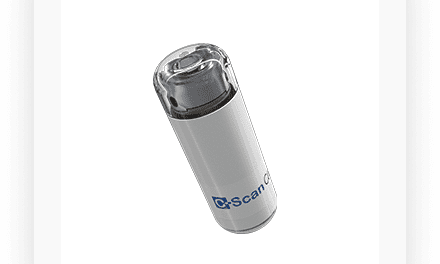
Virchow’s Crow’s Nest Biopsy Catchment System is designed to capture residual tumor cells from used biopsy needles, converting what would otherwise be wasted material into Liquid Companion Specimens (LCSs) that can be used for molecular diagnostic testing. These specimens are then stored in the Virchow Vault liquid specimen biorepository for downstream analysis.
Clinical data from concordance studies conducted at six US medical institutions—in which molecular testing results from standard formalin-fixed tissue specimens were compared to results from LCSs generated by the Crow’s Nest system—suggest additional benefits from using the technology, according to the company. The data indicate that high-quality molecular samples recovered from residual cells can provide insight into treatment options beyond chemotherapy, including targeted immunotherapy, while potentially reducing the need for repeat patient biopsies.
“The backing of Cerberus Ventures enables us to accelerate the education of the oncology, pathology, radiology, and reference lab communities about the clinical and financial benefits of banking high-quality genetic material sourced from used biopsy needles,” says Alexander Arrow, MD, chief executive officer of Virchow Medical, in a release. “It’s the best way to counteract tissue insufficiency, and Virchow has the technology and resources to harness that.”
Physician Investors and AI Potential
In addition to Cerberus Ventures, the financing round includes investment from five individual physician users of the Crow’s Nest system—among them pathologists and interventional radiologists—who participated based on their firsthand experience with the technology.
Zhang cited the company’s potential as a data platform in addition to its clinical utility. “We see Virchow not just as a platform to improve cancer patient outcomes, but also as a differentiated data provider that can help accelerate AI benefits across the healthcare system,” says Zhang, in a release. “We have been incredibly impressed with the Virchow team’s experience and execution and look forward to this partnership in their next phase of growth.”
The new funding positions Virchow to broaden institutional adoption of its biopsy catchment and specimen banking technologies at a time when tissue insufficiency remains a significant barrier to genomic profiling and precision oncology testing in clinical laboratories.
ID 179118327 © Eva Almqvist | Dreamstime.com