
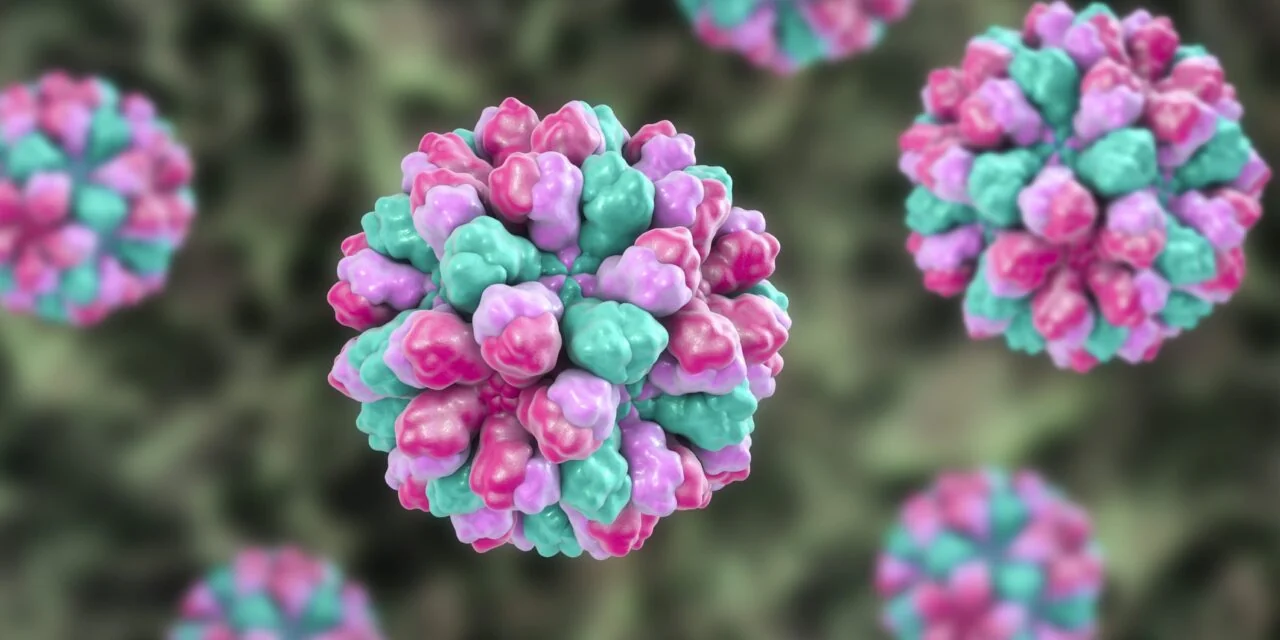
The molecular panels feature changes to norovirus and Campylobacter detection intended to improve specificity, with results available in about one hour.
bioMérieux has received US Food and Drug Administration (FDA) 510(k) clearance for the BIOFIRE FILMARRAY Gastrointestinal 1.1 (GI1.1) Panel and the BIOFIRE FILMARRAY GI1.1 Panel Mid, the company announced.
The GI1.1 Panel also has been CE marked under the In Vitro Diagnostic Regulation, which enables commercialization across European markets.
The molecular panels test for 22 and 11 of the most common bacteria, viruses, and parasites associated with gastroenteritis, respectively, from a single sample, with results in about one hour.
What Changed in the New Versions
According to the company, the new versions include a redesigned norovirus GI/GII assay and a software-based improvement for Campylobacter detection. bioMérieux says the changes further strengthen the panels’ specificity.
The panels detect pathogens directly from stool samples of individuals with signs or symptoms of gastrointestinal infection. They are designed for use on the BIOFIRE FILMARRAY 2.0 and TORCH systems, require about two minutes of hands-on time for setup, and have a run time of about one hour.
The GI1.1 Panel targets bacteria including Campylobacter, Clostridioides difficile, Salmonella, and Shigella/enteroinvasive E. coli; viruses including adenovirus F40/41, norovirus GI/GII, and rotavirus A; and parasites including Cryptosporidium, Cyclospora cayetanensis, and Giardia lamblia. The GI1.1 Panel Mid covers a smaller set that includes norovirus GI/GII, Campylobacter, C difficile toxin A/B, Salmonella, and Cryptosporidium.
Clinical and Public Health Context
Symptoms of acute infectious gastroenteritis, such as diarrhea, vomiting, fever, and abdominal pain, are often nonspecific, which makes diagnostic testing more critical. The highest disease burden falls on young children, older adults, and immunocompromised individuals. The World Health Organization estimates that diarrheal diseases cause 1.7 billion cases worldwide each year and remain among the leading causes of death in children younger than 60 months.
“This is particularly important for norovirus, which remains one of the most prevalent and disruptive causes of acute gastroenteritis, and can spread rapidly in communities and healthcare settings. By providing timely and reliable diagnostic information, these panels can help clinicians make informed decisions earlier, support infection control efforts, and ultimately improve the patient experience,” says Charles K. Cooper, executive vice president and chief medical officer of bioMérieux, in a release.
Jennifer Zinn, executive vice president of clinical operations at bioMérieux, says the company drew on post-market surveillance and research and development advances to develop the latest generation of the panels.
“As the global leader in gastrointestinal syndromic testing, we leveraged robust post-market surveillance and R&D advancements to develop the latest generation of our BIOFIRE FILMARRAY Gastrointestinal Panels. By providing rapid, actionable results, we support better clinical decision-making for improved patient management and deliver greater value to laboratories and clinicians when it matters most,” says Zinn, in a release.
The GI1.1 Panel will be deployed across all regions, while the GI1.1 Panel Mid will initially be available in the United States.
ID 110083140 © Katerynakon | Dreamstime.com