A retrospective study found that CSF-based molecular testing resolved diagnoses, confirmed disease progression, and supported clinical trial workups when standard methods fell short.
A new retrospective study has found that cerebrospinal fluid (CSF) liquid biopsy testing delivered meaningful clinical impact in 82% of CNS lymphoma cases evaluated, offering diagnostic clarity in situations where conventional methods returned inconclusive or indeterminate results.
The study, published in Lymphatics, analyzed 50 specimens from 48 patients during the first 12 months of commercial availability of Belay Diagnostics’ Summit and Vantage tests. Researchers found that the tests provided actionable information in 41 of 50 specimens, including resolving differential diagnoses, confirming recurrence or progression, aiding in disease stratification, and supporting clinical trial workups.
Summit detected clinically relevant variants in 64% of specimens—32 of 50—while negative results also proved informative in several cases, helping rule out CNS lymphoma or confirm a successful response to therapy. In one case highlighted in the publication, Summit was the only test to provide actionable information after magnetic resonance imaging, biopsy, and blood-based testing all returned indeterminate results.
Key Molecular Findings
The most commonly detected alterations in the cohort were MYD88, a hallmark of CNS lymphoma, followed by TP53 and CD79B—findings that demonstrate the test’s ability to identify alterations critical to CNS lymphoma diagnosis. Aneuploidy findings were also clinically significant: several cases with concern for metastatic CNS lymphoma showed five or more aneuploidy events with no accompanying single nucleotide variants, supporting concern for CNS metastasis. In two additional cases, Summit was used for longitudinal monitoring, and the absence of previously detected variants suggested successful response to therapy.
Clinical Perspective
The findings are particularly relevant in cases where tissue sampling is not feasible or where standard-of-care tools are limited in scope and sensitivity.
“The Summit assay has enabled molecular diagnoses in patients who were unable to undergo surgery, providing actionable clarity without the need for tissue,” says Michael Youssef, MD, a neuro-oncologist at the University of Texas Southwestern Medical Center, in a release. “The ability to longitudinally track variant allele frequency has further strengthened our capacity to monitor treatment response in real time.”
Expanded Testing Capabilities
Since the study was conducted, Belay Diagnostics has expanded its offering with Summit 2.0, which adds 488 additional genes, copy number variants, fusions, tumor mutational burden, and microsatellite instability to its CSF profiling capabilities. The company’s tests are built on technology developed through more than 10 years of scientific research at Johns Hopkins University and are accredited by the Clinical Laboratory Improvement Amendments and the College of American Pathologists.
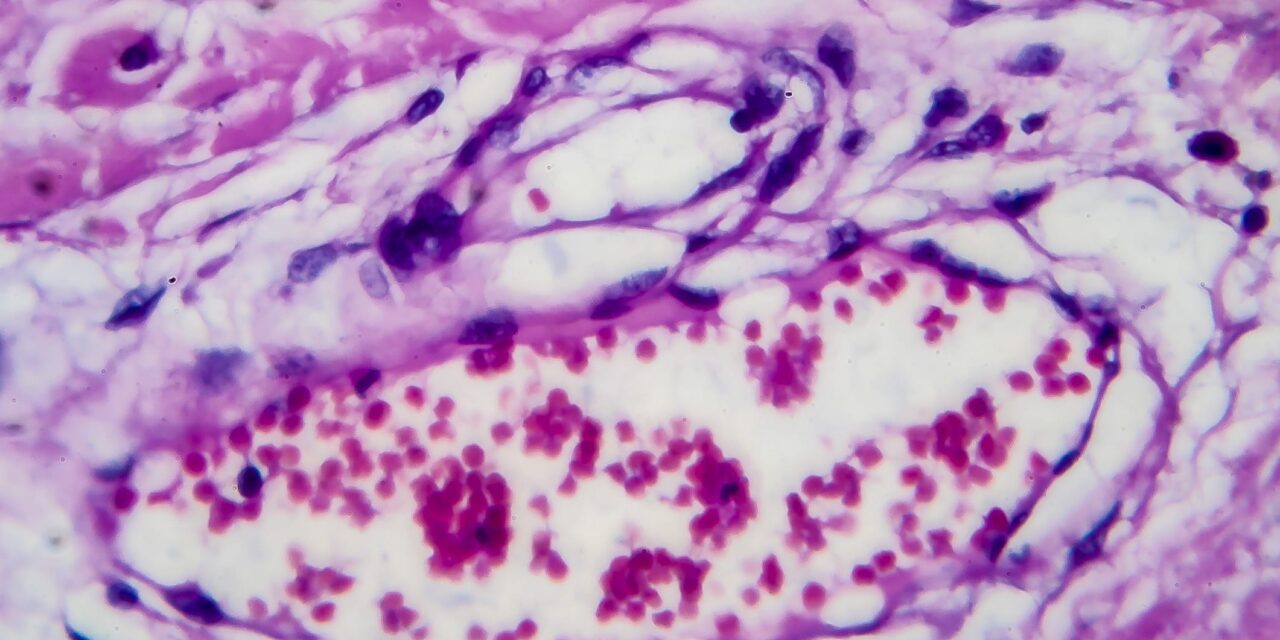
ID 161604768 © Katerynakon | Dreamstime.com
Related Reading:
Liquid Biopsy Technology Detects Over 95% of Early-Stage Cancers in Blinded Validation Study
New Kitted NGS Panel Launches Targeting Lymphoid Malignancies
New IVD Assay Kits Bring Standardized NGS Workflows to Oncology Diagnostics
Natera Acquires Foresight Diagnostics in $450 Million Deal